Glitter Germ Science Experiment



Germs are hard for kids to take seriously when they can’t see them. The Glitter Germ Science Experiment uses glitter as pretend germs, so kids can watch what happens when soap touches them.
For more ideas, see my list of health and hygiene activities for kids.
Kids sprinkle glitter on a dish of water, then touch it with a soapy finger and watch the glitter rush away. It takes a few minutes and makes a great lead-in to a handwashing talk, especially as cold and flu season starts.

This post may contain affiliate links meaning I get commissions for purchases made through links in this post. Read my disclosure policy here.
What Will Kids Learn?
Kids learn that germs are everywhere, even when we can’t see them, and that soap helps get rid of them.
- How germs spread: Germs move from hands to doorknobs, light switches and toys, then onto the next person.
- Why soap matters: The glitter scattering gives kids a picture to remember when they wash their hands.
- Observation and prediction: Kids guess what the soap will do, then watch closely and describe what happens.
What Supplies Are Needed?
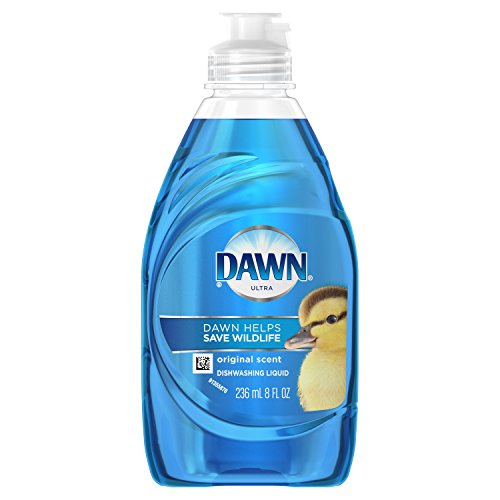
You need four simple supplies: a shallow dish, water, dish soap and glitter.

- a shallow dish
- water
- blue dish soap
- glitter


Dawn Ultra Dishwashing Liquid Dish Soap, Original Scent, 8 ozSlime Supplies Glitter Powder Sequins for Slime,Arts Crafts Extra Solvent Resistant Glitter Powder Shakers,Bulk Acrylic Polyester Craft Supplies Glitter Loose Eyeshadow,Assorted Colors,12 Pack GlitterOrganyc 100% Certified Organic Cotton Swabs – No Man-Made Materials, 200 Count, White
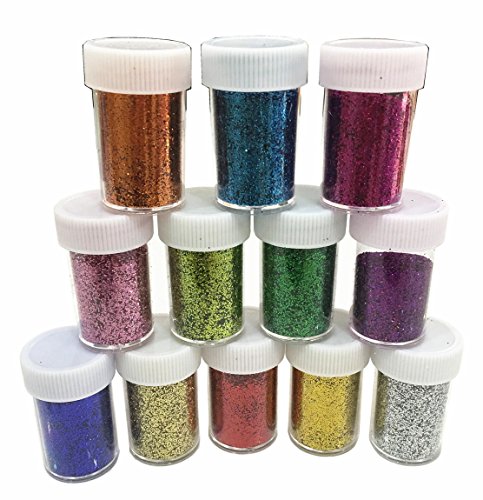

No glitter? Ground pepper, cocoa powder or edible glitter work too. If you use pepper, remind kids not to touch their eyes.
How Do You Do the Glitter Germ Experiment?
You’ll float glitter “germs” on water, then add soap and watch the glitter move away. The more soap you use, the faster it happens.
You’ll find the full step-by-step instructions in the printable experiment card at the bottom of this post.

What Should Children Observe?
Children should see the glitter rush away to the edges of the dish as soon as the soap touches the water.

Before the soap goes in, have kids touch the glitter with a dry finger. Some glitter sticks to their skin, just like germs. With soap, the glitter moves away instead. A bigger squirt of soap makes the glitter move faster.
Why Does the Glitter Germ Experiment Work?
It works because soap breaks the surface tension of the water.
The surface of water acts like a thin, stretchy skin, and that skin holds the glitter up. When soap touches one spot, it weakens the skin there. The stronger water around it pulls away toward the edges and carries the glitter with it.
Real handwashing works a little differently. Soap breaks up the oils that help germs stick to our skin, so water can rinse them away. The glitter is a model that helps kids picture soap and germs, since real germs are too small to see without a microscope.
How Can You Extend the Activity?
Take the lesson to the sink and keep the conversation going.
- Practice at the sink: Walk through good handwashing together and hang the handwashing poster (download below) by the sink as a reminder.
- Glitter hands test: Put a little glitter on kids’ hands, then compare rinsing with water only and washing with soap.
- Germ hunt: Walk around the house and list the places many hands touch, like doorknobs, light switches and faucets.
- Talk it through: Ask kids what a germ is, how germs get on our hands, how we get them off and whether all germs are bad.
- Compare soaps: Try hand soap, dish soap and shampoo and see which one moves the glitter fastest.

Recommended Books About Germs
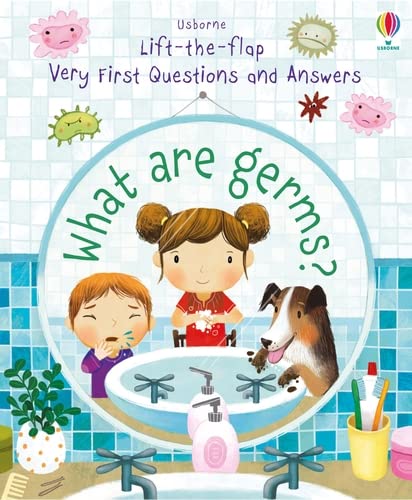
These germ books explain handwashing and germs in kid-friendly ways.
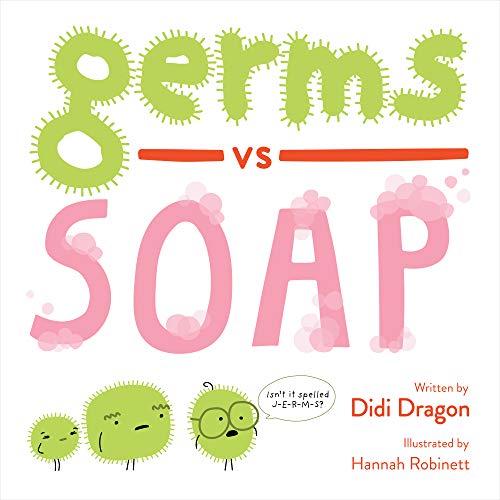
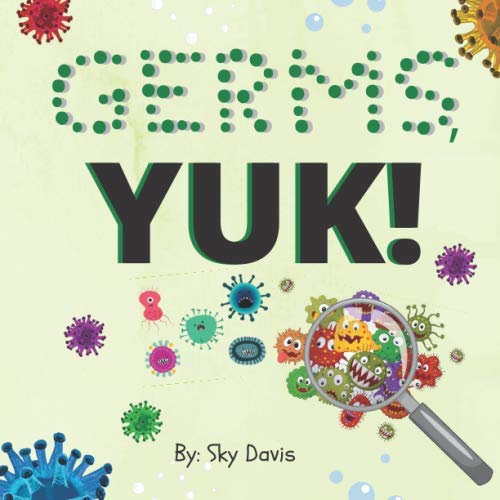
What are Germs? (Very First Lift-the-Flap Questions & Answers)Germs vs. Soap: A Silly Hygiene Book about Washing Hands! (Hilarious Hygiene Battle 1)Germs, YUK!: Interactive Germ Book for Preschool & Toddler Children Ages 2-5 | Hand Washing Book for KidsRhyming Book for KidsI Don’t Want to Wash My Hands!The Secret Life of Viruses: Incredible Science Facts about Germs, Vaccines, and What You Can Do to Stay Healthy


Germ Kits and Toys
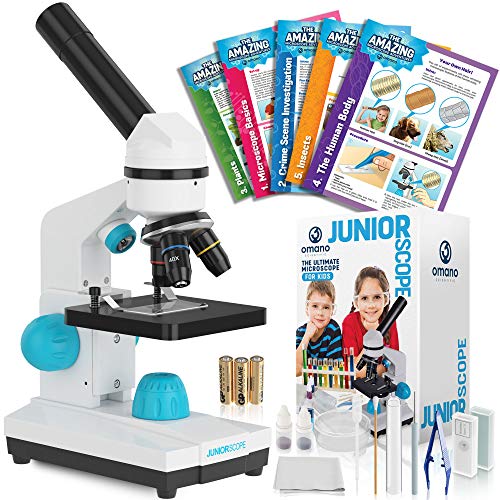
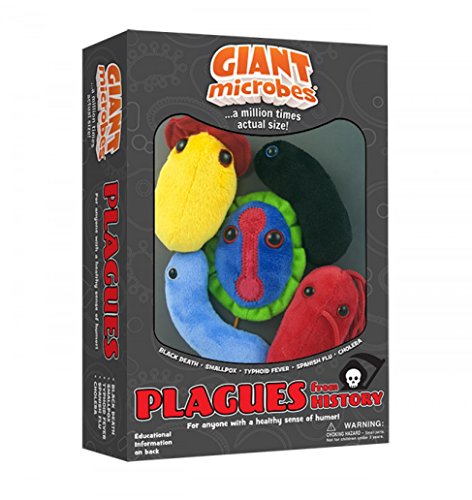
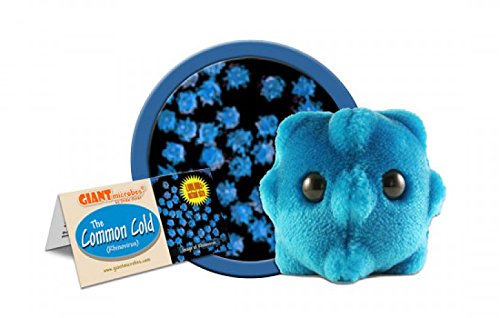
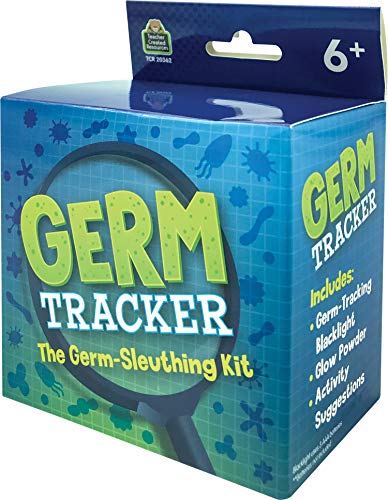
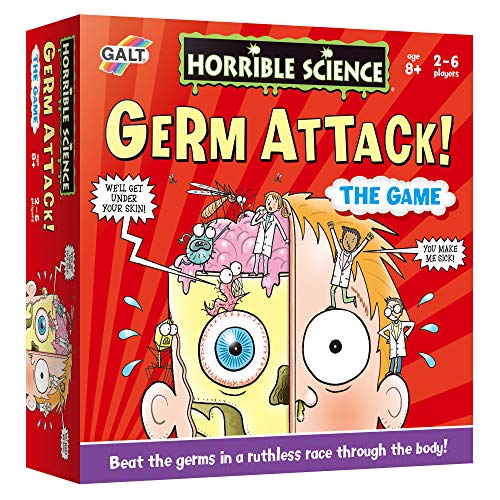
A kids’ microscope or a germ plush toy keeps the germ talk going after the experiment.
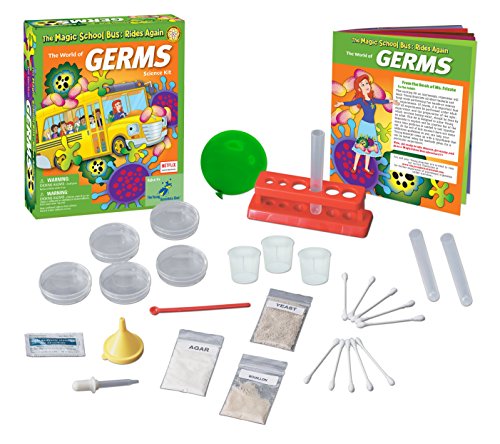
The Magic School Bus: The World of GermsOmano JuniorScope Microscope for Kids Microscope Science Kits for Kids Science Experiment KitsGIANTmicrobes Themed Gift Box – Plagues from HistoryGIANTmicrobes Plush Common Cold MicrobesTeacher Created Resources Germ Tracker TCR20362Galt Toys, Horrible Science – Germ Attack The Game, Science Board Game for Kids, Ages 8 Years Plus
Keep the Learning Going
If you’d like to turn this experiment into a full health unit, the Junior Scientist Activity Pack: Health and Health Bingo Printable from my shop add more practice with healthy habits.


For hands-on science all year, the Young Learners Science Club is a monthly science membership for homeschool families. Each month brings a new topic with hands-on investigations, STEAM challenges, crafts and games that use common household supplies.
What Other Free Activities Can You Try?
Here are more health and hygiene activities for kids:
- Fighting Germs Printable Cards
- Personal Hygiene Worksheets for Kids
- Hygiene Activities for Kids
- Health Activities for Preschoolers
- Healthy and Unhealthy Food Activities for Kindergarten
- Healthy and Unhealthy Food Sorting Worksheet
- Hacks to Get Kids to Wash Their Hands from A Little Pinch of Perfect
- Learn All About Germs Through Picture Books from Artsy Momma
- Dental Health ABC Order Worksheets from Homeschool Happiness
- Dental Health Cutting Sheets from 3 Boys and a Dog
FAQs

Glitter Germ Experiment
Equipment
- 12 Pieces Fine Glitter, FANDAMEI 12 Colors 10g Glitter Shake Jar Set
- Dawn Ultra Dishwashing Liquid Dish Soap, Original Scent, 8 oz
Materials
- A shallow dish
- Water
- Blue dish soap
- Glitter
Instructions
- Pour water into the shallow dish nearly to the edge.
- Sprinkle glitter generously over the surface.
- Squirting soap directly into a mass of glitter floating on the water or coat a finger in soap and try to touch the “germs”. The more soap the faster the reaction.
- To extend this activity, you can go to the sink and remind kids about the good handwashing practices.
Video
Notes
The Glitter Germ Science Experiment gives kids a picture of germs and soap they’ll remember every time they wash their hands. Try it this week and hang the handwashing poster by the sink when you’re done.
Download the Handwashing Poster Below


Hi, I’m Monique Boutsiv! I’ve been homeschooling for 18 years and have four children ranging from toddler to adult. I create science activities, educational printables and homeschool resources for preschool through elementary-aged children.
Today, Living Life and Learning includes more than 2,500 printable activities and educational resources to help parents and teachers spend less time planning and more time learning.
Follow along for new printable activities
We just did this experiment for my son 6th grade project and we added hand sanitizer to compare and sanitizer does the SAME thing as dish soap! We was shocked and amaze! Thanks
How cool!
Thanks for a job well done.