
Bubbling Pumpkin Experiment

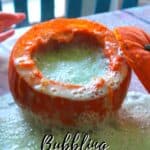
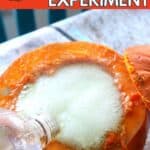
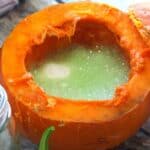
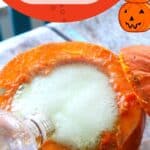

Fall, of course, is the best time to do some pumpkin crafts and activities like this exciting Bubbling Pumpkin Experiment. These kinds of activities add a fun seasonal touch to basic science activities. My kids never tire of the classic vinegar and baking soda reaction, so we gave it a fall twist and added a bit of color.
See more Pumpkin Activities for Kids for more pumpkin ideas this fall.
This incredible scientific mess can be recreated again and again (and trust me, even if they have done it before, your kids will want to). It’s a fun science experiment that will have the kids interested and engaged, and ready for more.
If you’re looking for a fun and simple STEM activity that appears to be a little bit magical, this pumpkin experiment is a lot of fun to do.

This post may contain affiliate links meaning I get commissions for purchases made through links in this post. Read my disclosure policy here.
Learning About Pumpkins the Fun Way
This experiment made learning about pumpkins an exciting and interactive experience. Instead of only reading about them, my kids had a chance to experience something hands-on. Here are a few ways this activity kept them engaged:
- Observation Practice: They noticed how the pumpkin changed as the mixture foamed and bubbled. It kept their attention far longer than a simple worksheet ever could.
- Curiosity Boost: The reaction naturally led to questions about why it happened, which turned into a meaningful conversation about science.
- Seasonal Connection: Since pumpkins are everywhere in the fall, this experiment made the season feel more relevant to our lessons.
Recommended Pumpkin Books
Reading about pumpkins can be just as fun as experimenting with them. I love using themed books to create a cozy connection between stories and hands-on activities.
Pumpkin Spice (A Joyful Mouse Collection)Pumpkin (Life Cycles)Pumpkins (First Step Nonfiction ― Plant Life Cycles)Pumpkin Circle: The Story of a GardenPumpkins in Fall (Bullfrog Books: What Happens in Fall?)Pumpkins (Celebrate Fall)

What Are the Skills Kids Will Learn From This Activity?
This bubbling pumpkin project wasn’t just for fun. It also offered meaningful learning opportunities.
- Science Concepts: They learned about chemical reactions through observation and discussion.
- Critical Thinking: As they attempted to guess what might happen, they practiced forming and testing hypotheses.
- Patience and Focus: Waiting for the reaction to unfold helped them build attention and self-control.
- Fine Motor Work: Scooping and pouring materials provided practice in careful hand coordination.
Recommended Fall Printable Packs
If you’re looking to add more seasonal fun to your homeschool routine, my fall printable packs are a great way to bring learning and creativity together.


Bubbling Pumpkins Supplies
All you need are the simple supplies below to get started! You might even have these already in your house!
- A small pie pumpkin
- Baking soda
- Vinegar
- Blue dish soap

- Food coloring
- Something to cut into the pumpkin
- A spoon for cleaning out the insides


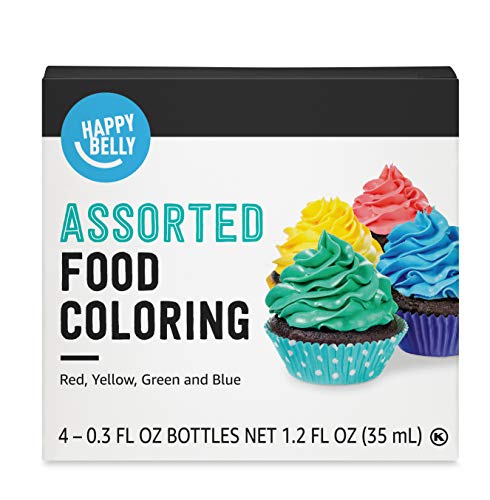
Heinz White Vinegar (64 fl oz Jugs, Pack of 6)Arm & Hammer Baking Soda Naturally Pure (2-Pack)Amazon Brand – Happy Belly Assorted Food Coloring, 1.2 fl oz


Making the Bubbling Pumpkin Activity
When my older kids were younger, this experiment was one of their favorite fall activities. They loved getting messy and watching the foam spill over the sides. I remember how they tried to predict just how high the bubbles would rise, and their laughter filled the room.
My teens were still entertained, even though they had done it years ago. They had a different level of appreciation now, pointing out the science behind it and connecting it to what they had already studied. It felt rewarding to see how the same activity grew with them.
For me, the best part was the excitement that came from something so simple. It reminded me that hands-on learning doesn’t have to be complicated. The smiles and conversation that followed made the cleanup worthwhile.

The Science Behind This Pumpkin Experiment
At the heart of this experiment is a chemical reaction between an acid and a base. When combined inside the pumpkin, they release carbon dioxide gas. This gas causes the bubbly foaming effect we saw.
It’s a fun way to demonstrate to kids how science applies to everyday life. Watching the reaction in action helps them understand a concept that might otherwise feel too abstract. It’s simple enough for younger kids to enjoy but still meaningful for older learners who want to know more.
Ways to Extend the Lesson
This activity can lead to more seasonal projects that keep the excitement going. Here are some fun ways to build on it:
- Pumpkin Worksheets are a great way to tie in math and literacy practice with the same fall theme.
- Pumpkin Seed Crafts let kids reuse seeds in creative art projects while working on fine motor skills.
- Try Pumpkin Story Writing with your kids. Encourage them to write a short story about a magical bubbling pumpkin. It’s a great way to connect science with creative writing.
- Pumpkin Investigation: Let your kids measure, weigh, and compare pumpkins of different sizes. This turns into a mini math and science study.
- Ask Questions. You can also get more out of the activity you can ask your child some questions and have them research the answers. This is a fun way to keep them involved and curious throughout the entire process. Vary up the questions that you want to ask so that the kids stay focused on learning.
Some simple questions to ask about this pumpkin experiment could be:
- Why do you think the vinegar and baking soda have this reaction?
- Would water and baking soda do the same thing?
- Will different types of vinegar produce the same results? Try rice wine vinegar, apple cider vinegar, etc…
Ask them their thoughts and let them communicate what they saw. You can even have them write down their hypothesis BEFORE you get started to see if they’re right in their thoughts.

More Pumpkin Activities
Do you want a low-prep activity for your pumpkin life cycle lesson? Try these pumpkin life cycle coloring pages for a fun and educational way to learn about pumpkins.
- Pumpkin Science Activities for Kindergarten
- Pumpkin Books for Preschoolers
- How Do Pumpkins Grow Worksheet
- Pumpkin Apple Stamps by Homeschool Preschool
- Popsicle Stick Pumpkin Craft by Simple Everyday Mom
A significant aspect of conducting these types of experiments is that the kids will be able to answer questions and engage in open communication, which leads to a greater curiosity for learning. Having an excellent plan for kids to want to learn is all about incorporating experiments and engaging their hands and minds.

Bubbling Pumpkin Experiment
Equipment
- Arm & Hammer Baking Soda, 16 oz (3 Pack)
- Dawn Soap, Blue, 21.6 Fl Oz , Pack of 2
- Food Coloring Set
Materials
- A small pie pumpkin
- ½ cup Baking soda
- ¾ to 1 cup Vinegar
- 1 tsp. Blue dish soap
- Food coloring
- Something to cut into the pumpkin
- A spoon for cleaning out the insides
Instructions
- Cut the top off your pumpkin.
- Have the kids scoop out the seeds and pulp. It doesn’t have to be perfect since it’s only the container for the experiment.
- Add ½ cup of baking soda inside the pumpkin.
- Add food coloring if you’d like. You can put it under the baking soda for a surprise or mix it with the vinegar.
- Mix dish soap with vinegar in a separate cup.
- Slowly pour the vinegar mixture into the pumpkin, watching it bubble over. Stir or add more vinegar if some of the baking soda is dry.
- Repeat as much as you like. The more ingredients you add, the more foamy fun you’ll see. Enjoy!

Hi, I’m Monique Boutsiv! I’ve been homeschooling for 18 years and have four children ranging from toddler to adult. I create science activities, educational printables and homeschool resources for preschool through elementary-aged children.
Today, Living Life and Learning includes more than 2,500 printable activities and educational resources to help parents and teachers spend less time planning and more time learning.
Follow along for new printable activities