
Rubber Egg Experiment

If you are looking for an easy and simple science activity, the Rubber Egg Experiment is one I tried with my older kids, and it quickly became a favorite. It is simple to set up, uses common kitchen items, and shows a cool change that gets kids curious right away. I love activities like this that feel like magic but are actually science.
Keep reading to see how this squishy egg can turn into a great learning moment. I am sharing how this bouncy egg science experiment works, what kids can learn from it, and a few ideas to keep the learning going.
This post may contain affiliate links meaning I get commissions for purchases made through links in this post. Read my disclosure policy here.
Why do kids need to learn about osmosis?
Osmosis may sound like a big science word, but kids can understand it when they see it in action. When they watch an egg change size and texture, it helps them connect the idea to something real. That kind of learning sticks much better than just reading about it.
This squishy egg science activity makes it easier to explain how liquids move in and out of objects. My teens enjoyed observing the changes over time, which led to a natural discussion about how cells work in living things.
Recommended science experiment books
Having a few go-to science books at home makes it easier to plan engaging activities and keep curiosity going beyond one experiment.
Awesome Science Experiments for Kids: 100+ Fun STEM / STEAM Projects and Why They Work (Awesome STEAM Activities for Kids)The Everything Kids’ Science Experiments Book: Boil Ice, Float Water, Measure Gravity-Challenge the World Around You!Awesome Kitchen Science Experiments for Kids: 50 STEAM Projects You Can Eat! (Awesome STEAM Activities for Kids)Awesome Outdoor Science Experiments for Kids: 50+ STEAM Projects and Why They Work (Awesome STEAM Activities for Kids)Steve Spangler’s Super-Cool Science Experiments for Kids: 50 mind-blowing STEM projects you can do at homeSmithsonian 10-Minute Science Experiments: 50+ quick, easy and awesome projects for kids


What can kids learn from this activity?
This simple science project offers more than just a fun result. It gives kids a chance to observe, predict, and think about what is happening step by step.
- Understanding osmosis and how water moves through a membrane
- Observing chemical reactions and physical changes
- Building patience while waiting and checking progress over time
Easy Science Experiment Printables
If you enjoy simple and ready-to-use resources, printable science packs are a great way to add structure to your activities while keeping things flexible and fun.


If you want to save money, grab this bundle for these two amazing ebooks. Simple setup, clear instructions, and guaranteed eye-catching results.
Supplies Needed
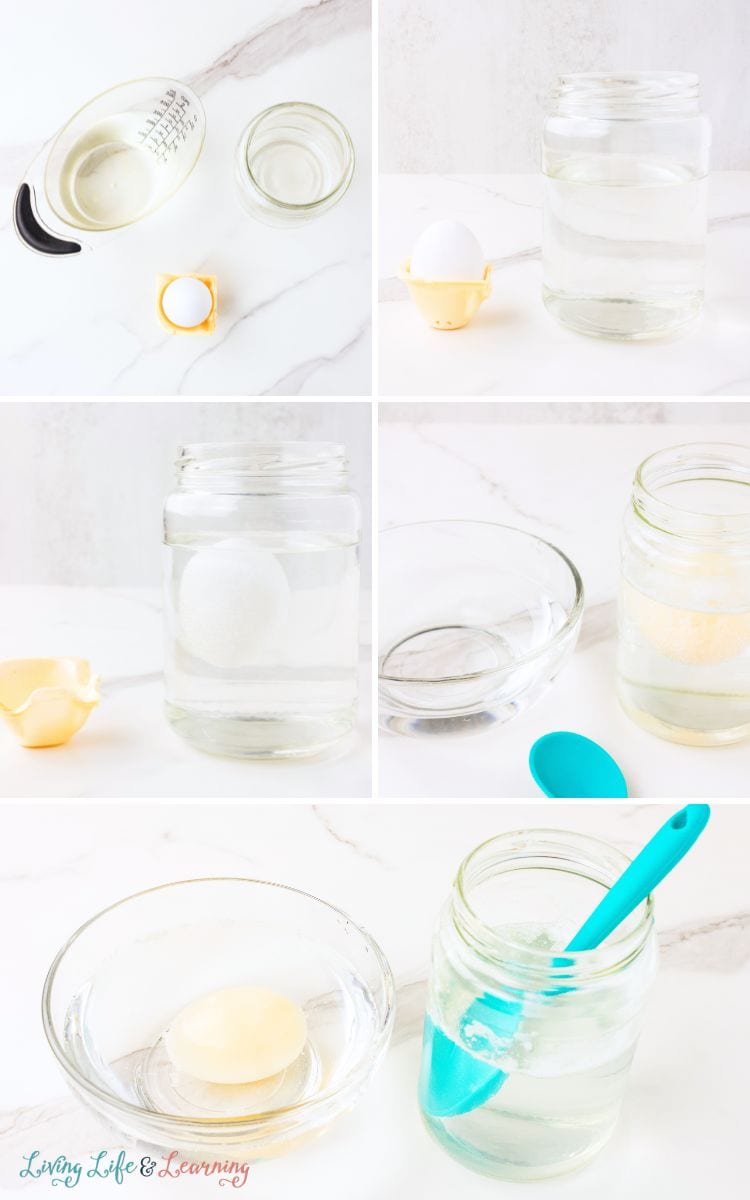
- 1 raw egg
- Wide-mouth glass jar
- White vinegar
- Spoon (optional)
- Bowl with water (optional)
Making the Simple Osmosis Experiment
When we first tried this fun kitchen science egg activity, my kids were not sure what to expect. Watching the egg sit in vinegar and seeing bubbles form around it right away got their attention. It looked like something was happening under the surface, which stirred their curiosity.
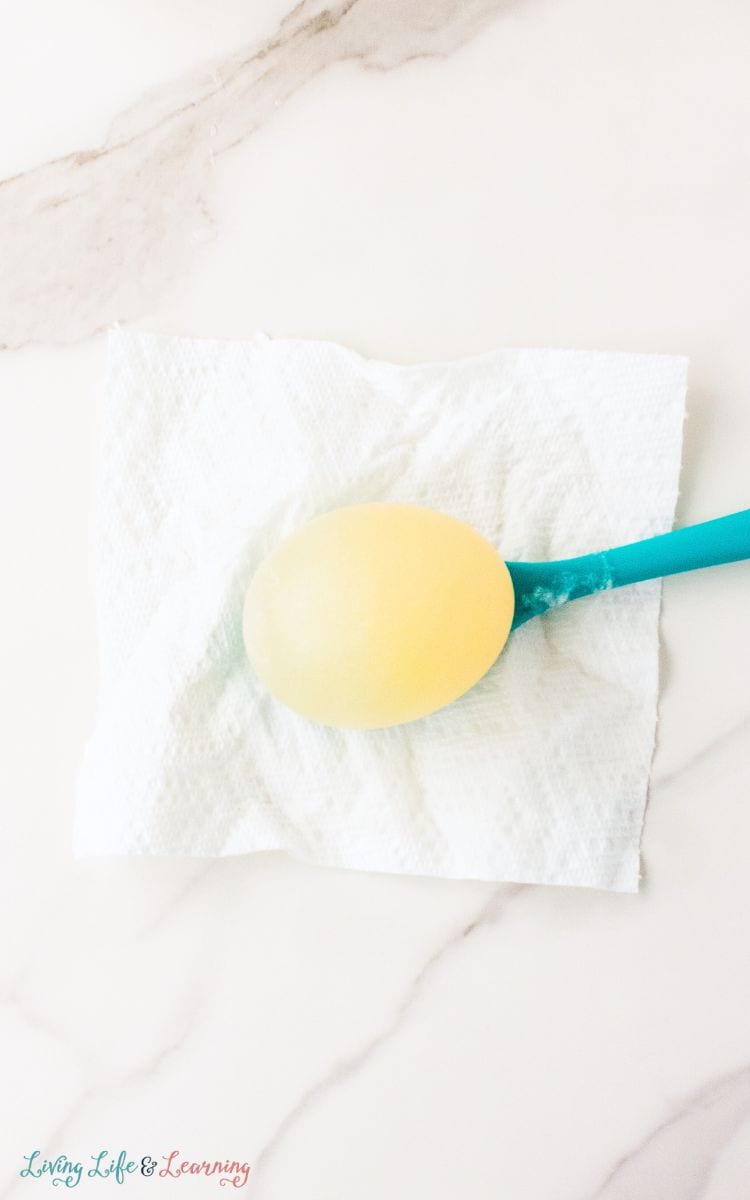
After some time, the egg starts to change in a surprising way. The shell slowly disappears, leaving behind a soft layer that feels very different from a normal egg. This part is always interesting because it shows a clear before-and-after.
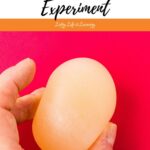
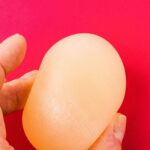
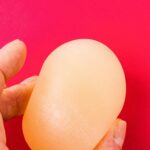
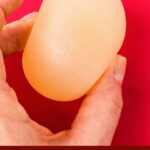
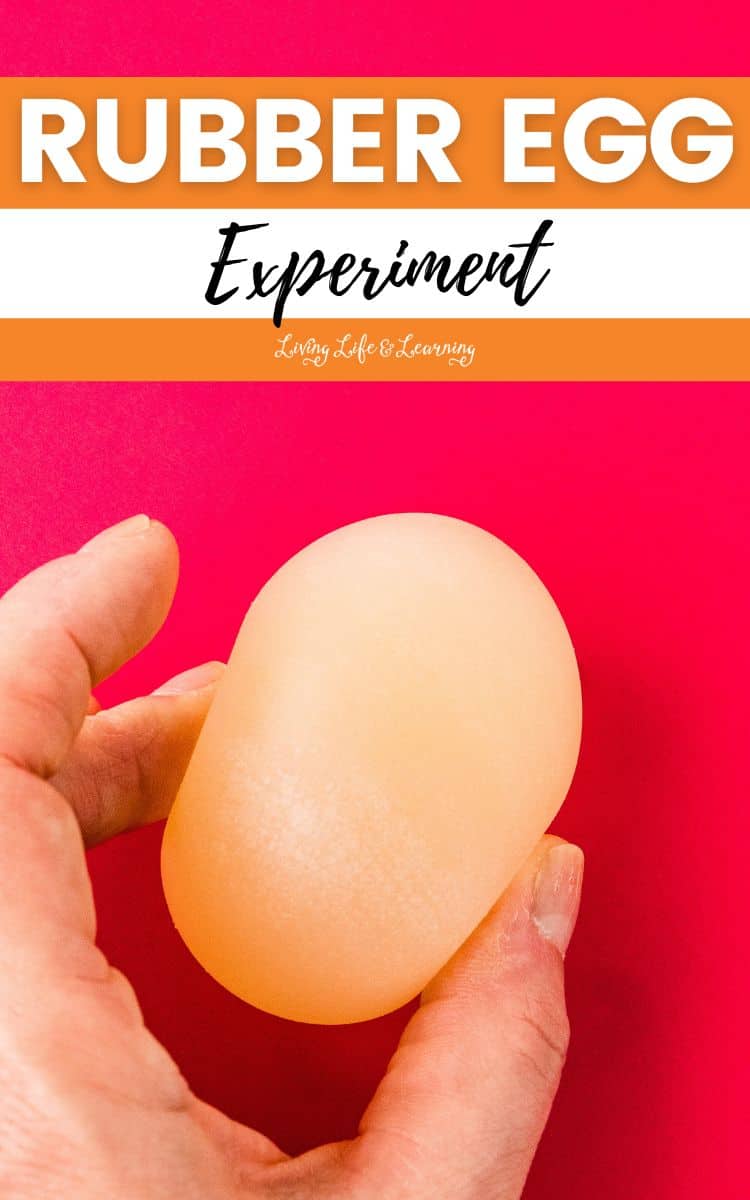
The most memorable moment was when they finally held the egg. It felt squishy and almost like a bouncy ball. They carefully tested how it moved and reacted, which led to lots of questions and laughter.
Ways to extend this science activity
Once your kids see how fun this is, you can build on that excitement with more hands-on ideas that explore similar concepts.
- Floating egg science experiment – This activity explores density and helps kids see how objects can float or sink in different liquids.
- Chia seed dinosaur eggs activity – This one adds a creative twist with texture and growth. It is a great follow-up if your kids enjoyed watching changes over time.
- Yeast and balloon experiment – This activity shows how gas can build up and cause movement. It pairs well with discussions about reactions and changes.
- Lemon volcano experiment – This is another fun reaction-based activity that kids enjoy. It is a great way to compare how different ingredients create visible changes.
- Try measuring the egg before and after. Have your kids record the size and compare results. This adds a math element and helps them see the effects of osmosis more clearly.
- Test how high the egg can bounce safely. Let them experiment carefully and observe what happens. It is a fun way to explore cause and effect.
More science experiments to try
If your kids enjoyed this activity, here are more ideas you can explore next:
- Science Experiments For Kindergarten
- Erupting Soap Experiment
- Swirling Glue Experiment
- Melting Rainbow Preschool Science Experiment by Darcy and Brian
- 25 Summer Science Experiments Kids Will Love by Homeschool Preschool
This easy egg in vinegar experiment is a simple way to turn an everyday item into a hands-on learning experience. It kept my older kids engaged and gave us a chance to talk about science in a relaxed and fun way.
If you are doing this activity during spring or around Easter and want more egg-themed ideas, check out these Easter activities or fun spring activities.
Rubber Egg Experiment
Materials
- 1 raw egg
- Wide-mouth glass jar
- White vinegar
- Spoon optional
- Bowl with water optional
Instructions
- Fill a jar about ¾ full with vinegar
- Gently place the raw egg into the jar
- Let it sit for 48 hours
- Remove the egg carefully
- Rinse it or place it in water to remove any shell
- Gently squeeze and bounce the egg
Video

Hi, I’m Monique Boutsiv! I’ve been homeschooling for 18 years and have four children ranging from toddler to adult. I create science activities, educational printables and homeschool resources for preschool through elementary-aged children.
Today, Living Life and Learning includes more than 2,500 printable activities and educational resources to help parents and teachers spend less time planning and more time learning.
Follow along for new printable activities