
Ear Worksheets for Kindergarten

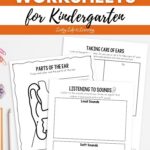
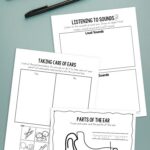
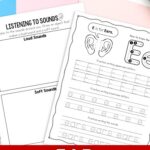
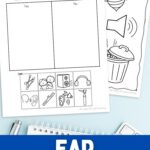
When I made these Ear Worksheets for Kindergarten, I wanted something simple, useful, and easy to pull out during a human body unit. Kindergarten is such a fun age for hands-on learning, and ear activities can turn a basic science lesson into something kids actually remember.
If you’re putting together a larger body study, take a look at my human body worksheets for kids. I used printables like these when I wanted a quick way to keep lessons moving without spending all morning planning.
What I like most about this set is that it mixes early learning practice with basic science. It is not just about labeling an ear, because kids also get to trace, sort, color, and think about how hearing works in everyday life.
This post may contain affiliate links meaning I get commissions for purchases made through links in this post. Read my disclosure policy here.
Why do kids need to learn about human ears?
Learning about ears helps kids understand how their bodies work and why hearing matters every day. It also gives them a chance to connect science to real life in a way that feels natural and easy to grasp.
- Body awareness: Kids start to notice that their ears do more than just sit on the sides of their heads. They learn that each body part has a job.
- Healthy habits: They open the door to simple conversations about safe listening and caring for hearing.
- Science vocabulary: Early exposure to terms such as the outer ear and ear canal lays a strong foundation for later science lessons.
- Observation skills: Kids begin paying attention to the sounds around them and how those sounds affect daily life.
My favorite human body books for kids
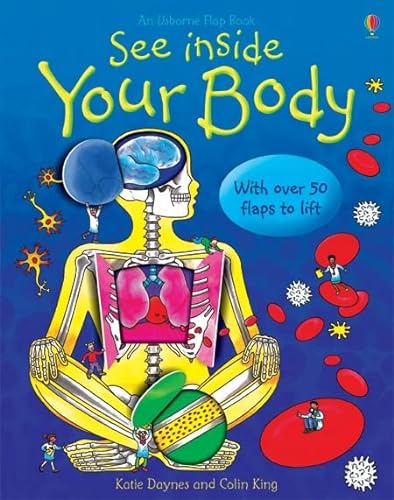
When we worked on body topics, I always liked keeping a small stack of age-appropriate nonfiction and picture books nearby so we could add simple facts and clear illustrations to our lessons.
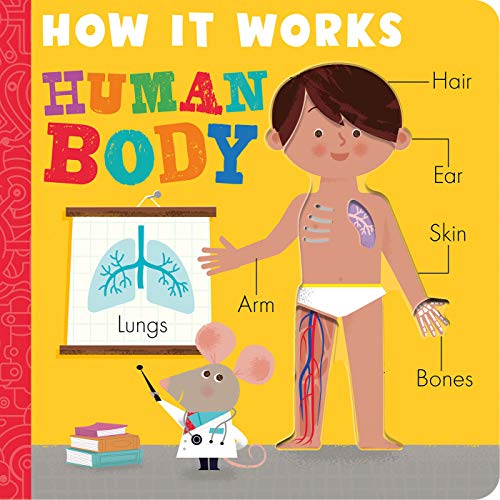
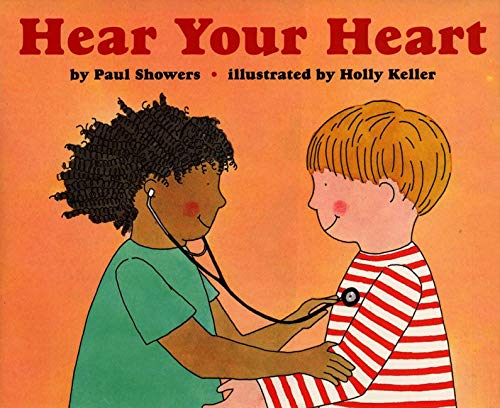
See Inside Your BodyMy First Human Body BookHow it Works: Human BodyMe and My Amazing BodyHear Your Heart (Let’s-Read-and-Find-Out Science 2)First Facts and Flaps: My Busy Body



Skills kids can practice with this printable
This printable gives kindergarteners a chance to work on multiple skills at once, which is one reason I keep coming back to themed pages like these during our homeschool week.
- Build early science knowledge by naming ear parts, noticing sounds, and talking about how hearing helps us each day.
- Practice fine motor work through tracing words, coloring pictures, cutting pieces, and pasting them in the right place.
- Strengthen early literacy with letter tracing, word practice, and simple vocabulary tied to a real science topic.
More human body printable packs to try
When I wanted to keep a theme going for a few more days, I usually added a bigger printable set with playful learning pages and pretend play activities. That gave my daughter more variety, and it helped the lesson feel fresh without adding much prep for me.


Supplies needed for these ear worksheets
You do not need much to get started, which is always a plus when you want a low-prep kindergarten activity ready in minutes.
- Printer (I have this one)
- Paper
- Pencil
- Crayons
- Scissors
- Glue stick
I have the HP printer 8710, but it’s no longer available. It’s been running well for years now. Consider another HP Instant Ink-ready printer so that you can use their program to send you ink cartridges whenever your printer gets low on ink.
What’s included in the human ear activity pages?
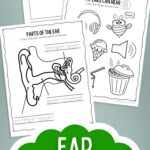
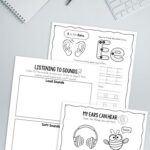
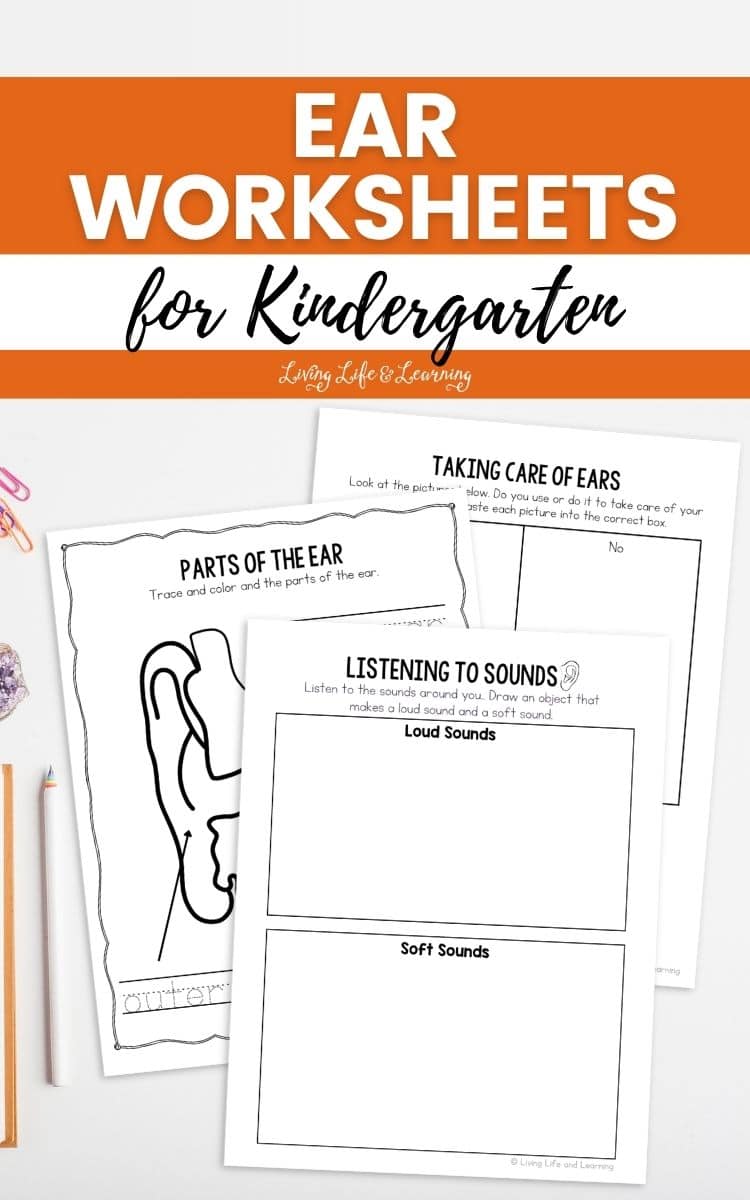
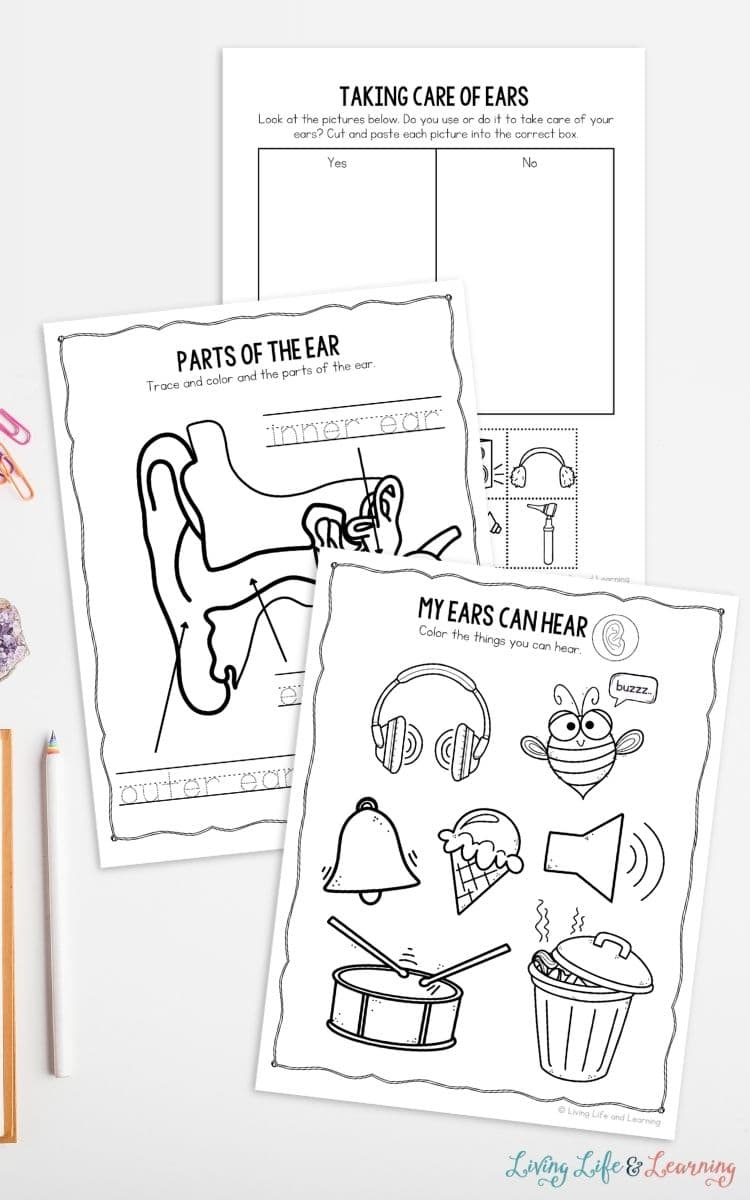
This printable includes 5 pages, each offering kids a different way to learn about ears and hearing. I like that the set moves from simple body part identification to sound awareness and healthy habits.
Parts of the Ear
Kids trace and label the basic parts of the ear, including the outer ear, inner ear, and ear canal. This page works well as an introduction because children can see the parts clearly while practicing writing.
My Ears Can Hear
On this page, kids color the things they can hear, which helps them think about common sounds in their environment. I always liked pages like this because they made science feel practical and gave us an easy way to chat about quiet and loud noises.
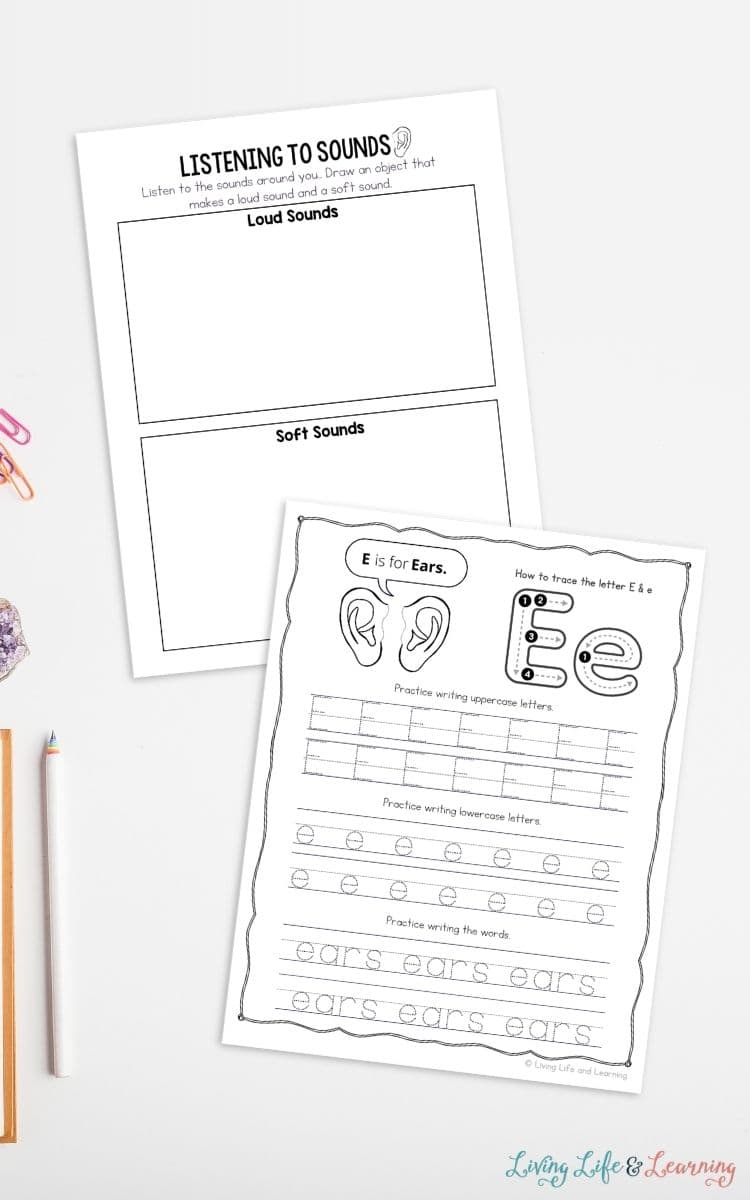
E is for Ears
This worksheet gives children letter practice with the uppercase E, the lowercase e, and the word ears. My older boys would have flown through a page like this when they were younger, but for kindergarten, it is a nice mix of handwriting and themed vocabulary.
Taking Care of Ears
Kids cut and paste pictures into yes/no categories based on whether the action helps care for the ears. I really like this kind of sorting page because it turns a health lesson into something visual and easy for young learners to understand.
Listening to Sounds
Children draw one object that makes a loud sound and one object that makes a soft sound. This page gives them room to think, listen, and connect the lesson to things they know from home and everyday routines.
Ways to extend the activity
If your child enjoys this printable, there are several simple ways to keep the learning going without making the lesson feel too long. I usually did best when I added one extra activity the same day or saved another for later in the week.
- Use human body coloring pages – Try these human body coloring pages for a relaxed follow-up activity that still keeps the body theme going.
- Add more kindergarten body learning – Pair it with my body activities for kindergarten if you want more ideas that fit this age and stage.
- Go on a sound hunt – Walk through your home and have your child name sounds they hear in each room. This worked well for us because it got my daughter moving while still paying attention to the lesson.
- Talk about safe listening – Discuss loud noises, quiet sounds, and when it helps to protect ears. This is a simple way to connect the worksheet to daily habits that kids can understand.
More human body activities for kids to try
If your child is enjoying body science, it helps to keep the momentum going with a few more themed resources. I found that short, related activities worked better than trying to do too much all at once.
- Human Body Arts and Crafts
- Parts of the Ear Worksheets for Kids
- Ear Worksheets for Kids
- The Human Ear Worksheets for Kids by 3 Boys and a Dog
- Human Body Systems Crossword Puzzle by Homeschool of 1
These ear worksheets are a simple way to mix science, handwriting, and critical thinking into one easy printable. If you are working through a human body unit with your kindergartener, this set can help make the topic more relatable, practical, and fun to learn.
Download the ear activity pages below


Hi, I’m Monique Boutsiv! I’ve been homeschooling for 18 years and have four children ranging from toddler to adult. I create science activities, educational printables and homeschool resources for preschool through elementary-aged children.
Today, Living Life and Learning includes more than 2,500 printable activities and educational resources to help parents and teachers spend less time planning and more time learning.
Follow along for new printable activities