
Desert Lapbook


Desert Lapbook is a hands-on way to introduce desert habitats without overwhelming your day. I created this printable for early elementary grades when I wanted something structured but still creative. It worked well as a relaxed science block with room for discussion.
When we studied landforms and habitats, deserts always led to great questions. I paired this lapbook with other ideas from my Earth Science activities for kids, and it helped everything connect better. Having printables ready saved time and kept lessons focused.
Do you want to know what is inside the printable, what skills it covers, and how to use it effectively? If you are planning an earth science unit, this will fit right in so keep reading.

This post may contain affiliate links meaning I get commissions for purchases made through links in this post. Read my disclosure policy here.
Why do kids need to learn about deserts?
Deserts are often misunderstood, which makes them a great topic for science learning. Studying them builds awareness of how plants, animals, and climate work together.
- Understanding extreme environments: Kids see how living things survive with limited water and changing temperatures.
- Building geography knowledge: Learning where deserts are located supports map skills and world awareness.
- Connecting science concepts: Topics like food chains, habitats, and weather patterns come together naturally.
Desert Books for Early Elementary Science
I always added a few desert-themed read-alouds to support vocabulary and background knowledge before starting the pages.


Skills Kids Learn with Desert Activity Pages
This printable supports multiple academic areas while staying approachable for young learners.
- Reading comprehension: Short prompts, labels, and riddles encouraged careful reading without frustration.
- Science vocabulary: Terms related to habitats, plants, and animals were introduced in context, which helped retention.
- Fine motor practice: Cutting, coloring, folding, and writing strengthened coordination through purposeful tasks.
Earth Science Printable Packs to Add to Your Unit
If you want to expand your lessons, I also used other earth science packs alongside this lapbook. They worked well for reinforcing landforms and basic geology concepts.


Supplies needed for the Desert Mini Book
This activity keeps prep simple and uses items you likely already have.
- Printer (I have this one)
- Scissors
- Glue or tape
- Colored pencils or crayons
- Folder or construction paper for assembly
I have the HP printer 8710, but it’s no longer available. It’s been running well for years now. Consider another HP Instant Ink-ready printer so that you can use their program to send you ink cartridges whenever your printer gets low on ink.
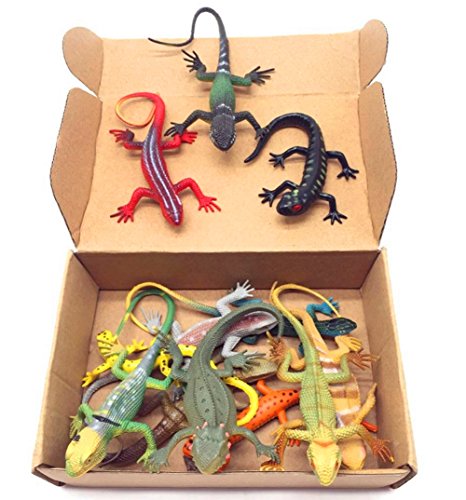
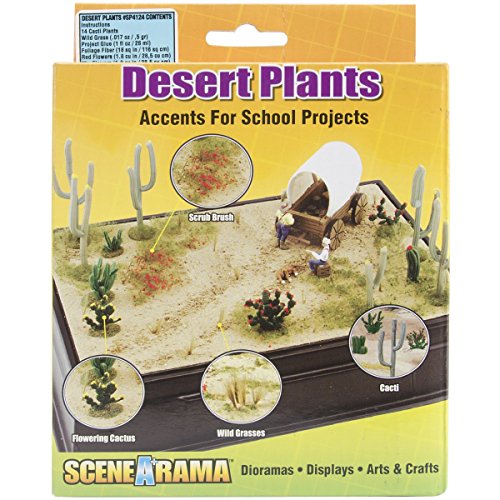
Desert Toys That Support Learning
Puzzles and board-style games with desert themes added variety during our unit. They were helpful for review days or quiet afternoon learning.



How to use lapbooks for science learning
Lapbooks worked well in our homeschool because they kept science interactive without adding busywork. Over the years, I used them to combine reading, writing, and hands-on learning in one place.
If you are new to lapbooks or want ideas for using them across different science topics, my How to Use Lapbooks post breaks it down step by step.
What’s included in the desert printable?
The printable includes ten pages designed for grades 1 to 3. Each section focuses on a different part of desert life while staying easy to follow.
Desert habitat cover and facts
This page introduces the desert, with space to define it, describe its weather, and note where deserts are found. It worked well as an opening discussion starter.
Desert plant and animal pockets
Kids cut and assemble pockets to sort plants, animals, and activities. This helped organize information visually.
Desert animals and plants cards
The cards feature common desert species for matching and sorting. My older kids enjoyed quizzing each other when we used similar cards years ago.
Desert food chain
This page introduces producers, herbivores, carnivores, and energy. It tied in well with basic life science lessons.
Desert vocabulary pages
Students wrote terms and definitions using kid-friendly language. Writing things out made new words stick better.
Finish the drawing pages
These drawing prompts encouraged creativity while staying on theme. Art breaks like this kept younger learners engaged.
Desert riddles
Short riddles challenged thinking and reading comprehension. These were fun to solve together before writing answers.
Desert poem and describing words
Kids completed an acrostic poem and listed descriptive words. This blended science with simple language arts.
How to extend the desert lapbook activity
If your kids want to keep learning, these extensions fit naturally after finishing the lapbook.
- Country studies: Use country activity pages to explore places where deserts exist.
- This unit study connects desert studies to ancient cultures and artifacts.
- Desert animal research page: Have kids pick one desert animal from the lapbook and create a simple fact page about it. When we did this years ago, it turned into short oral presentations at the table. Then we used the Desert Food Chain Printable, and it made the lesson more fun.
- Mini weather experiment: Track temperatures for a week and compare them to typical desert conditions. This helped my kids understand how climate shapes daily life.

More earth science activities to try
If you want to keep science lessons connected, adding related earth science activities works well after this lapbook. These ideas build on concepts kids have already practiced without adding extra prep.
- Parts of a Volcano Worksheets
- Continents and Oceans Worksheet
- Types of Rocks Worksheets
- Fun and Free Desert Preschool Printables by Homeschool Preschool
- Camel Puppet Craft For Kids by Simple Everyday Mom
Using printables like this desert lapbook helped me keep science organized while still being flexible. It gave structure without turning lessons into long worksheets, which mattered as my kids grew and our days changed.
Download the desert printables below


Hi, I’m Monique Boutsiv! I’ve been homeschooling for 18 years and have four children ranging from toddler to adult. I create science activities, educational printables and homeschool resources for preschool through elementary-aged children.
Today, Living Life and Learning includes more than 2,500 printable activities and educational resources to help parents and teachers spend less time planning and more time learning.
Follow along for new printable activities