
Life Cycle Activities for Kids

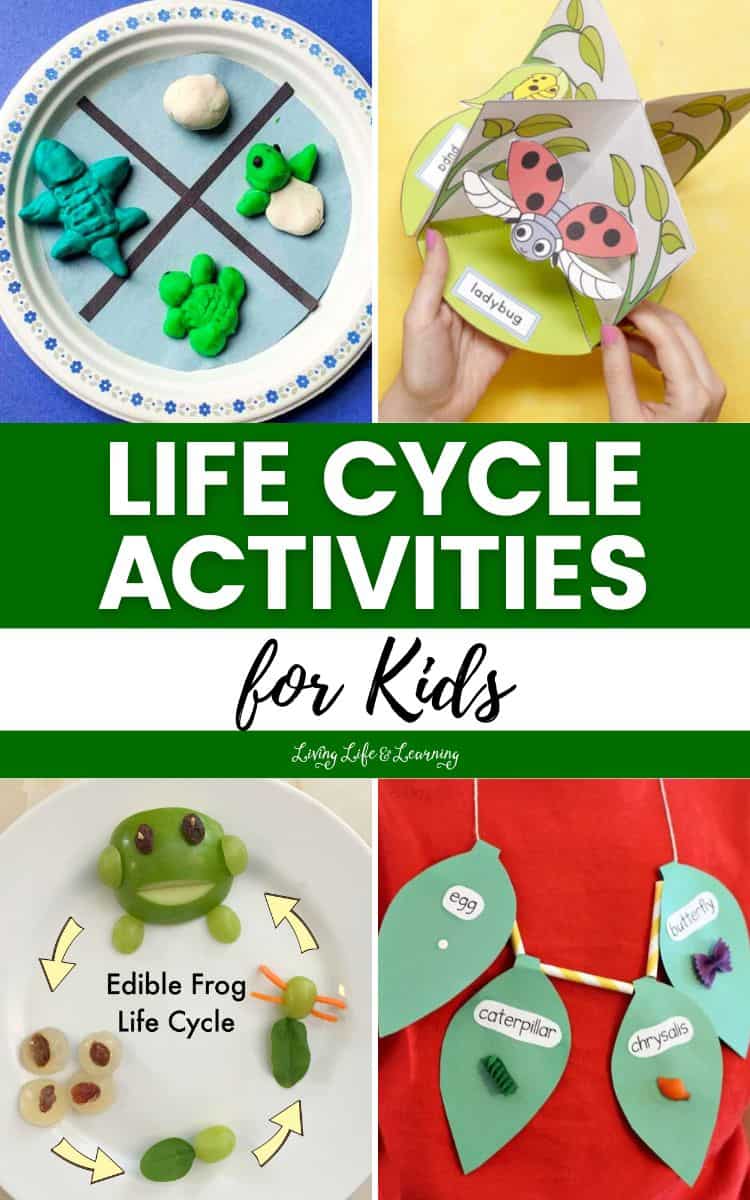
Life cycles of animals, insects and such are fascinating and can be studied at any time. But in Spring, it is especially relevant to study life cycles, so we have put together a great list of fun Life Cycle Activities for Kids.
If you want a broader collection to pull from, visit my list of fun life cycles for kids. It is a helpful starting point for animal, insect, and plant ideas that work for different ages and learning styles.
The problem with kids is that they need to learn new things, finding something that interests them is not always easy.
That’s why I created this list of life cycle activities for kids. It will keep your children entertained and engaged throughout the entire year.
This post may contain affiliate links meaning I get commissions for purchases made through links in this post. Read my disclosure policy here.
Why Kids Need to Learn About Life Cycles
Studying growth stages helps children understand how living things change over time. It also gives them a gentle way to connect science with nature, observation, reading, and hands-on projects.
- Builds observation habits: Children learn to notice details, compare stages, and describe what changes from one phase to the next.
- Connects science to everyday life: A bug in the garden, a seed in a cup, or a bird outside the window can turn into a natural science lesson.
- Supports sequencing practice: Kids can place events in order, retell what happened, and explain why each step matters.
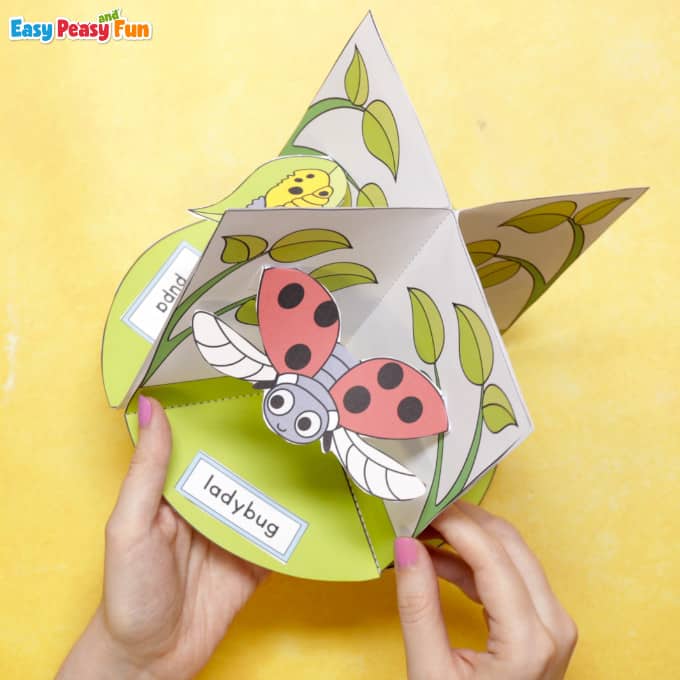
- Makes abstract ideas concrete: Crafts, diagrams, and models help visual learners understand growth, change, and reproduction.
Recommended Life Cycle Books
Dive deeper into life cycles with your favorite animal or insect. See how the circle of life works with any of these colorfully illustrated books your kids will love.
Life Cycles: Everything from Start to FinishA Butterfly’s Life Cycle (Explore Life Cycles)How Does a Seed Sprout?: Life Cycles with The Very Hungry Caterpillar (The World of Eric Carle)Animal Life Cycle for Kids: Butterflies, Frogs, Turtles, Bees, Rabbits, and More!: Learn Fun Facts with Activities About the Life Cycles of Chickens, … Turkeys, Bunnies, STEM Learning for Ages 4–8The Tiny SeedWhat Is a Life Cycle? (Science of Living Things)


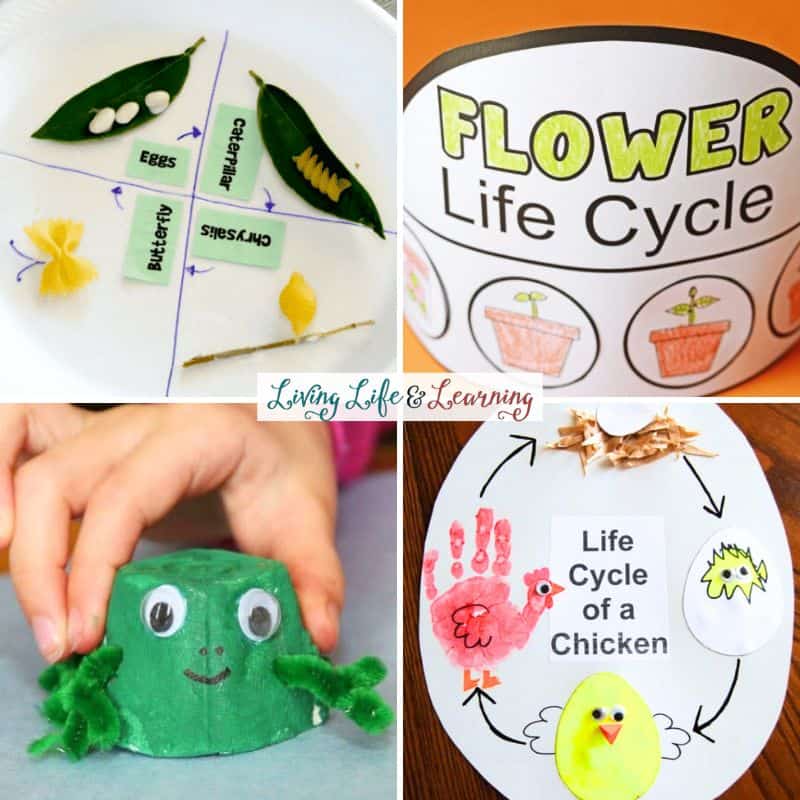
Skills Kids Learn From These Hands-On Life Cycle Projects
These projects work well because they do more than teach science facts. Children can practice academic skills while cutting, coloring, sorting, reading labels, building models, and talking through what they notice.
- Science vocabulary: Kids become familiar with terms related to growth, change, habitats, and living organisms.
- Fine motor practice: Cutting, gluing, folding, tracing, and assembling pieces helps strengthen hand control.
- Reading comprehension: Short passages, labels, and directions give kids a reason to read with purpose.
- Critical thinking: Children compare stages, match pictures, and explain how each part fits into the full process.
- Creative expression: Crafts, dioramas, and interactive pages let kids visually show what they learned.
Recommended Life Cycle Printable Packs
Printable packs are my go-to when I want science work that feels organized without requiring a pile of prep. These options are a good fit for moms who want ready-made pages, visual learning tools, and hands-on activities that can be used with a unit study or a single science lesson.
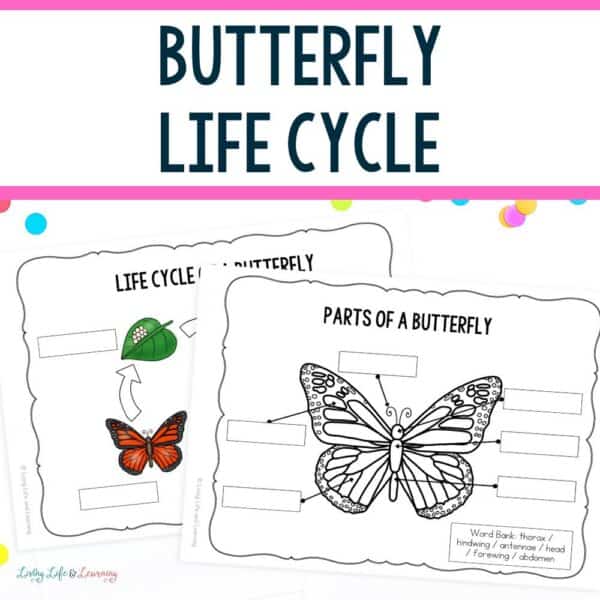

Supplies You Need for These Life Cycle Science Activities
You do not need anything fancy to make these projects work. Most of the activities use basic homeschool supplies, and I liked keeping a small science bin ready, so we were not searching for glue or scissors right when everyone was finally at the table.
- Printer paper or cardstock
- Crayons, colored pencils, or markers
- Child-safe scissors
- Glue sticks or liquid glue
- Paper plates or construction paper
- Yarn, string, or pipe cleaners
- Brads, craft sticks, or clothespins
- Playdough or clay
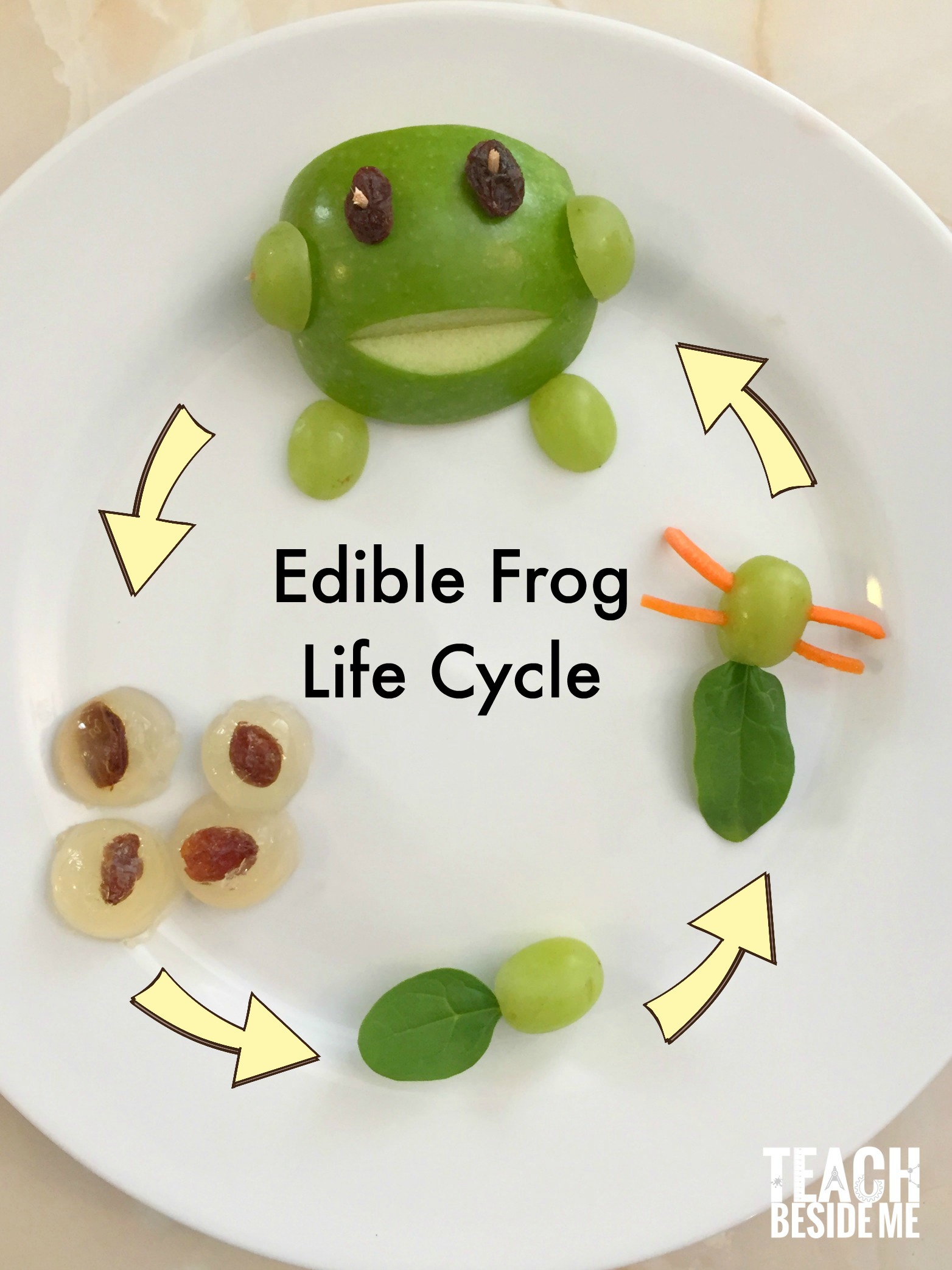
- Small snacks for edible models
- Magnifying glass or nature journal
How to Extend the Activity
You can stretch a simple project into a fuller homeschool lesson with reading, writing, nature study, or extra printables. I did this often when my kids were in the elementary years because one good science topic could easily turn into a full morning of learning.
- Add worksheet practice: Use these life cycle worksheets for kids after a craft to review vocabulary, order, and key facts. They are handy when you want a quiet follow-up activity after a more hands-on lesson.
- Start a nature journal: Ask your child to draw what they saw outside, in a book, or during a video lesson. Older students can add short notes, labels, dates, and questions for later research. These nature unit study printables are perfect for this activity.
- Create a compare-and-contrast chart: Pick two living things, then have kids list how their growth stages are alike and different. My daughter enjoyed this type of activity more when she could use colored pens and make it look like a mini science poster.
- Use oral narration: Have your child explain each stage back to you in their own words. This worked well with my boys when they were younger because it let me check understanding without turning every lesson into written work.
More Life Cycle Activities
If your child enjoys crafts, printables, or nature-based science, you can add more themed lessons to your homeschool plans throughout the year. Choose one topic at a time so the learning stays manageable and does not feel like a giant science project you have to finish in one day.
- Life Cycle of a Butterfly Worksheet
- Plant Life Cycle Worksheets
- Life Cycle Activities for Preschoolers
- Snake Life Cycle Worksheet
- Salmon Life Cycle Worksheet
- Life Cycle Activities for Preschool by Homeschool Preschool
- Tree Life Cycle Worksheets by 3 Boys and a Dog
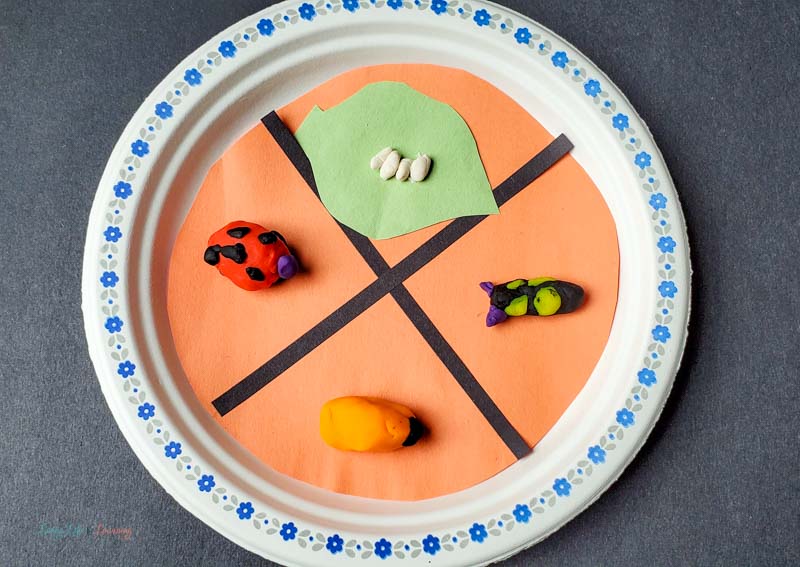


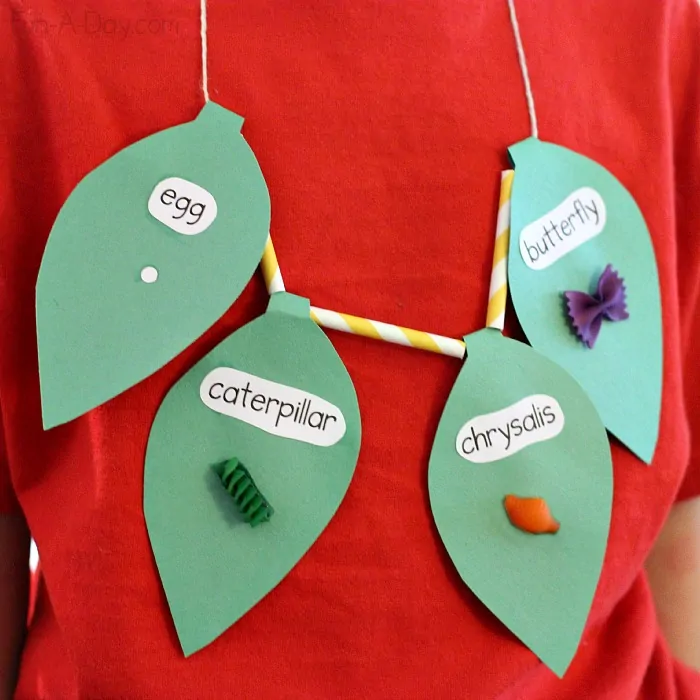
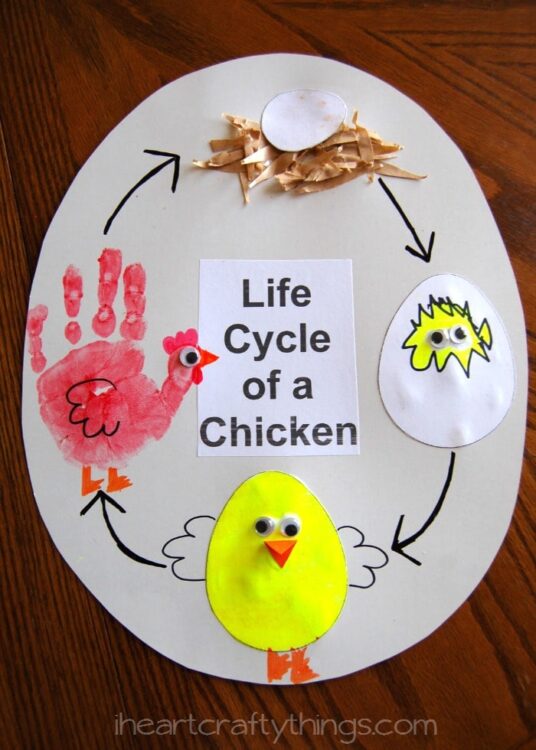


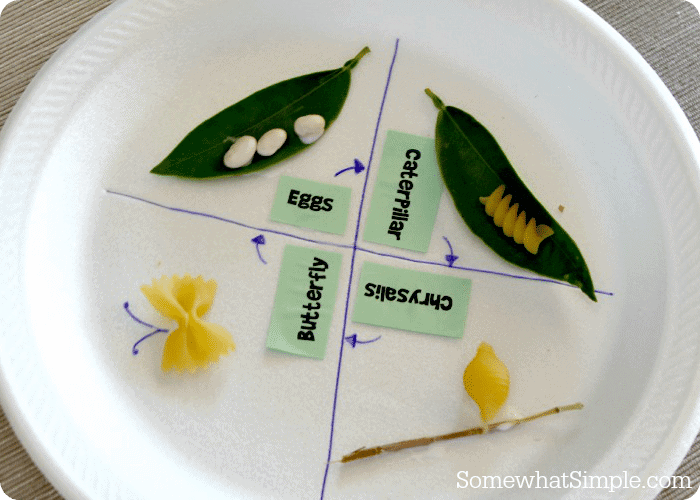
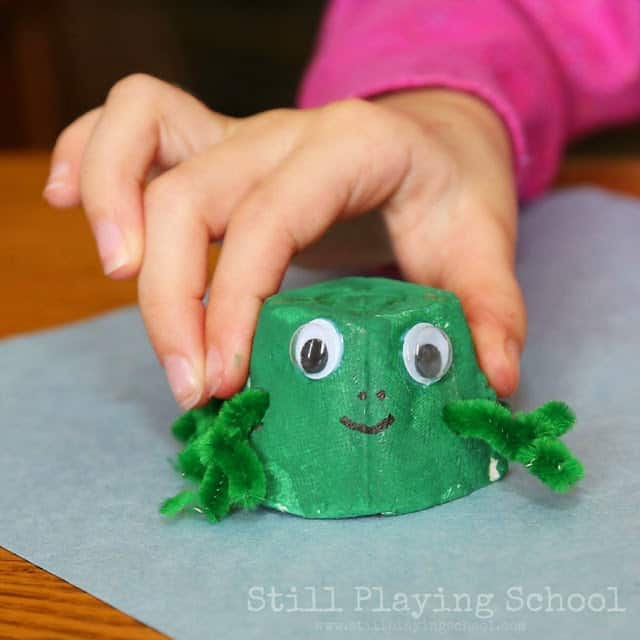


Life cycle activities for kids are a great way to make science lessons more visual, hands-on, and easier to remember. Whether you choose a craft, worksheet, book basket, snack model, or online review game, your child can learn how living things grow and change in a way that fits your homeschool day.