
Skin Diagram Coloring and Labeling Worksheet

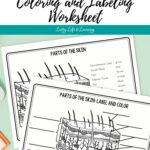

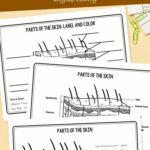
Skin Diagram Coloring and Labeling Worksheet is a simple way to help early elementary kids study the layers and parts of human skin without turning science into a long lecture. This printable works well for upper elementary age and provides a clear visual guide for kids to color, label, and review.
You can also check out my list of human body worksheets for kids when you want another easy science topic to add to your lessons.
I’ll show you what is inside the printable, how it can support your human body lessons, and a few simple ways to keep the topic going. I’ve found that diagrams like this make tricky anatomy terms feel less intimidating, especially for younger kids who need something they can see and color.

This post may contain affiliate links meaning I get commissions for purchases made through links in this post. Read my disclosure policy here.
Why Kids Need to Learn About the Human Skin
Learning about human skin helps kids understand their bodies in a practical way. It also gives them a strong starting point for future anatomy lessons.
- Body awareness: Kids can see that skin is more than what they notice on the outside. They begin to understand that each layer and part has a purpose.
- Health habits: A lesson about skin can lead to helpful talks about washing hands, using sunscreen, and caring for cuts. These everyday connections make science feel useful.
- Human body vocabulary: Words like epidermis, derma, nerve, and sweat gland can be new for grades 1-3. Seeing the labels beside the picture helps those terms feel easier to remember.
- Observation practice: Kids learn to slow down and look carefully at the diagram before answering. That habit is useful in science, reading, and problem-solving.
Recommended Human Body Books
Good human body books can make anatomy lessons easier to explain with kid-friendly facts, pictures, and simple examples that match what children can understand.
My Book of the Human Body: For Kids Ages 6-12.The Magic School Bus Inside the Human BodyEyewitness Visual Dictionaries: The Visual Dictionary of the Human Body (DK Eyewitness)Dermatology for Kids (Medical School for Kids)Skin 4 Kids: A Smart & Fun Guide To Healthy Skin Care HabitsDermatology for kids: kids book about skin color , skin anatomy, melanin, skincare , skin layers dermatology for children and teenagers (human anatomy book for kids)


Skills Kids Can Learn from This Skin Printable
This printable gives young learners a hands-on way to study the skin diagram while practicing early science skills. I always liked worksheets that did more than keep kids busy, and this one gives them a clear task with useful review.
- Labeling practice: Kids use the word bank to place each term in the correct spot. This helps them connect vocabulary to the correct part of the diagram.
- Fine motor work: Coloring inside the skin image gives children a chance to slow down and work with care. It is a simple way to build control while still keeping the lesson light.
- Science reading: The worksheet includes terms that kids need to read and match to the picture. This supports early nonfiction learning without adding too much text.
Recommended Human Body Printable Packs
When you want more human body resources, you can add these early learning human body activities to your plans. You can also try this hands-on anatomy resource for more activity ideas that work well with science lessons.


Supplies Needed for the Skin Diagram Activity
You only need basic homeschool supplies to use this printable, so it is easy to add to your science block without extra prep.
- Printer (I have this one)
- Paper
- Pencil
- Crayons
- Human body book for reference
I have the HP printer 8710, but it’s no longer available. It’s been running well for years now. Consider another HP Instant Ink-ready printer so that you can use their program to send you ink cartridges whenever your printer gets low on ink.
What’s included in the skin activity sheets
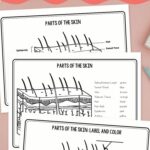
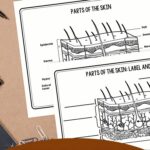
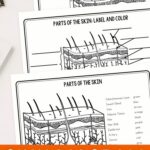
This printable includes 4 pages: a labeled diagram of the skin’s parts, a coloring page, a label-and-color worksheet, and a color guide.
Parts of the Skin Labeled Diagram
The first page includes a full-color diagram of the skin’s parts. Kids can see labels for the epidermis, dermis, hypodermis, subcutaneous layer, hair, sweat pore, nerve, sweat gland, hair bulb, vein, artery, and adipose tissue.
I liked using pages like this as a quick teaching guide before handing over the worksheet. It gave my kids a visual reference, so they didn’t have to guess from memory right away.
Parts of the Skin Coloring Page
The second page shows the same skin diagram in black and white with the labels already included. Kids can color each section while still seeing the correct anatomy terms on the page.
This kind of page worked well when my older kids were in the early grades because it gave them a low-pressure way to review. Coloring helped them stay focused while we talked through what each part did.
Parts of the Skin Label and Color Worksheet
The third page is the main labeling worksheet with blank lines and a word bank. Kids use the listed terms to fill in the parts of the skin, then color the picture when they are done.
The word bank is helpful for kids because it gives support without giving away the full answer. I would have used this after a short lesson or after reading a human body book together.
Parts of the Skin Color Guide
The fourth page gives a coloring key for each part of the skin. It lists colors for the subcutaneous layer, sweat gland, vein, adipose tissue, hair, hair bulb, epidermis, artery, derma, nerve, sweat pore, and hypodermis.
This page is handy for kids who like clear directions or need help staying organized. It also makes it easier to compare the finished page with the guide during review.
How to Extend the Skin Diagram Activity
You can keep the lesson going with a few simple activities that help kids connect the diagram to real life. These ideas work well after the worksheet or as part of a larger human body unit.
- Add another labeling page: Try this skin labeling worksheet for more practice with skin anatomy terms. Extra review can help kids remember the vocabulary without turning it into a long memorization session.
- Use body coloring pages: These human body coloring pages are a helpful next step for kids who enjoy visual science work. They can compare different body systems and see how each topic connects.
- Talk about skin care: Have a quick chat about handwashing, sunscreen, and what to do when they get a scrape. This makes the lesson practical and easy to relate to daily life.
- Make a simple skin model: Use colored paper or play dough to show layers of skin. Kids can stack the layers and point to where hair, nerves, and blood vessels might go.

More Human Body Activities for Kids
Human body lessons are easier to plan when you have a few activities ready to match your child’s age and attention span. Use this spot to add more related ideas, printable pages, or hands-on science resources.
- How Blood Travels Through the Body Worksheet
- Printable Body Systems Coloring Pages
- Human Body Organs Printable Coloring Pages
- Interesting Human Body Crafts & Activities For Kids by Simple Everyday Mom
- 21 Human Anatomy Worksheets for Kids by Homeschool of 1
Learning about the parts of the skin does not have to be complicated for younger kids. These human skin layers coloring pages give kids a clear, visual way to learn anatomy vocabulary while coloring, labeling, and reviewing what they see.
Download the skin diagram activity pages below


Hi, I’m Monique Boutsiv! I’ve been homeschooling for 18 years and have four children ranging from toddler to adult. I create science activities, educational printables and homeschool resources for preschool through elementary-aged children.
Today, Living Life and Learning includes more than 2,500 printable activities and educational resources to help parents and teachers spend less time planning and more time learning.
Follow along for new printable activities