
Red Cabbage pH Indicator Experiment


Some science activities instantly grab kids’ attention, and the Red Cabbage pH Indicator Experiment definitely did that at our house. It’s colorful, simple, and such a fun way to explore how acids and bases behave. If you’re teaching young kids at home, this one’s a winner.
You’ll find this activity and other hands-on ideas in my list of Simple Homeschool Science Experiments. I keep adding to that list anytime we come across something that works well for early learners.
This cabbage experiment might look like magic, but it’s actually a cool way to test the acidity or alkalinity of everyday liquids. Keep reading if you’re looking for easy ways to teach real science in a way your kids will remember.

This post may contain affiliate links meaning I get commissions for purchases made through links in this post. Read my disclosure policy here.
Interesting Facts About Acidity or Alkalinity
- Lemons aren’t the most acidic food out there. That spot goes to battery acid, which is far more corrosive.
- Alkaline substances like baking soda can neutralize some insect bites.
- Your skin is slightly acidic to help protect against harmful microbes.
Recommended Science Experiment Books
If you want to explore more science at home, having a few experiment books on hand can be a huge help. They’re great for days when you’re out of ideas or need something quick to set up.
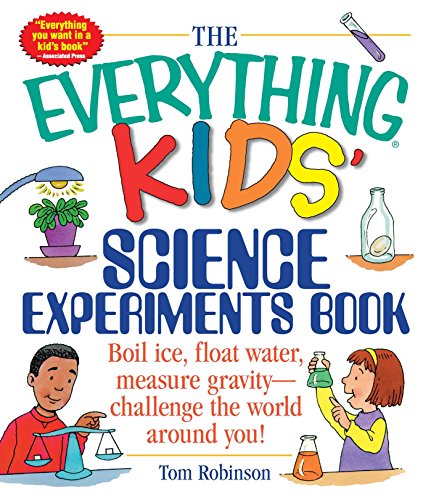
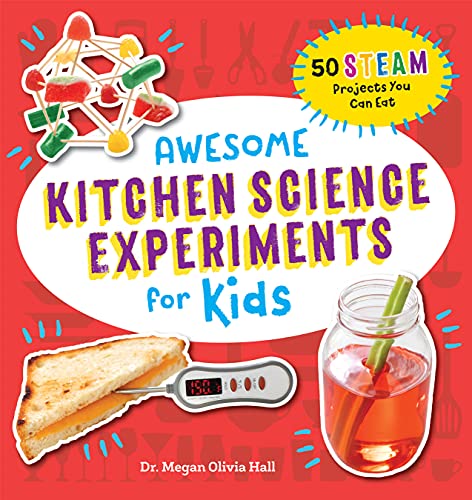
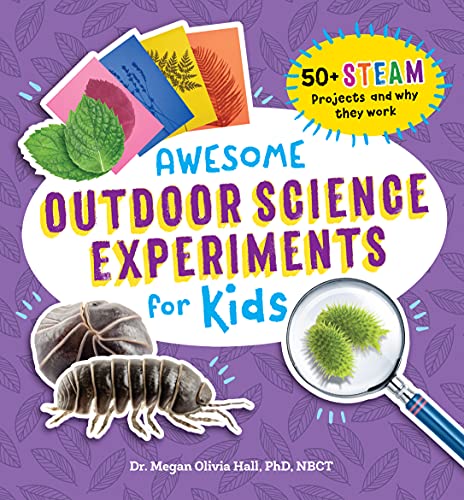
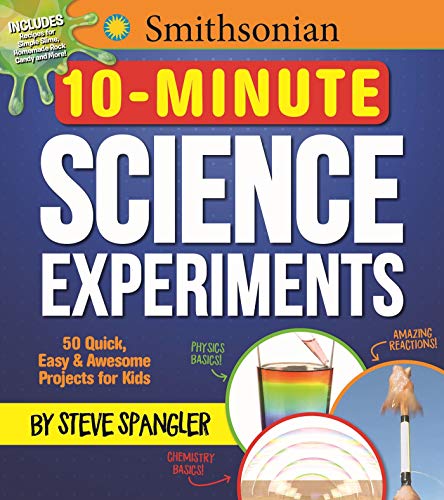
Awesome Science Experiments for Kids: 100+ Fun STEM / STEAM Projects and Why They Work (Awesome STEAM Activities for Kids)The Everything Kids’ Science Experiments Book: Boil Ice, Float Water, Measure Gravity-Challenge the World Around You!Awesome Kitchen Science Experiments for Kids: 50 STEAM Projects You Can Eat! (Awesome STEAM Activities for Kids)Awesome Outdoor Science Experiments for Kids: 50+ STEAM Projects and Why They Work (Awesome STEAM Activities for Kids)Steve Spangler’s Super-Cool Science Experiments for Kids: 50 mind-blowing STEM projects you can do at homeSmithsonian 10-Minute Science Experiments: 50+ quick, easy and awesome projects for kids



How to make learning about acidity fun?
Science feels real when kids can see it happening. These ideas can help you make the most of it:
- Let your child predict what will happen before each item is added.
- Use a printable recording sheet so they can write down what they see.
- Talk about what acids and bases are in terms they already understand (like food).
- Compare what they see in each cup and ask why the colors changed.
I also have a collection of printable science packs that work well alongside hands-on activities like this. They’re perfect for helping kids build vocabulary and reinforce what they saw during the experiment.

What will kids learn from this red cabbage science activity?
Before you get started, it helps to understand what your kids are actually seeing in this easy acids and bases experiment. It might seem complex at first, but the color changes offer a clear way to show what’s happening with acids and bases.
The color-changing cabbage activity works because purple cabbage contains a pigment called anthocyanin. This pigment changes color depending on whether it’s mixed with an acid or a base.
- Acids turn the cabbage water pink or red. This shows how acidic substances lower the pH and change the chemical makeup of the indicator.
- Bases shift the color to green or blue. These liquids raise the pH, making the solution more alkaline, which is why the color looks so different.
- Neutral items won’t change the color much at all. Since they stay close to a pH of 7, the indicator remains purple, giving a great visual clue of balance.
Recommended STEM Kits
If your child had fun exploring color changes and chemical reactions, STEM kits are a great next step. They encourage hands-on discovery and make science, technology, engineering, and math feel more approachable at home.
110 Lab Experiments Science Kits for Kids – STEM Projects Educational Scientific Toys for kids 6 7 8 9 10 12 Years Old, Christmas Birthday Gifts for Boys and Girls, Chemistry Set, Learning & EducationNational Geographic Kids Junior Chemistry Set – Complete Early Learning Lab Kit with 50 Science Experiments and 20+ Lab Tools for Kids Aged 4-6Science Magnets Experiment Set for Kids Electricity and Magnetism Kit for Students Stem Kit Physics Lab Basic Circuit Tools for Learning StarterJapace 100+ Experiments Science Kit for Kids, Cool Boy Christmas Birthday Gift Ideas, Chemistry and Physics Set STEM Toys for Boys GirlsDoctor Jupiter My First Science Kit for Kids Ages 4-5-6-7-8-9-10-11-12 | Birthday, Easter Gift Ideas for 4+ Year Old Boys & Girls | STEM Learning & Educational Toys | Preschool Learning ActivitiesScientific Explorer My First Mind Blowing Science Experiment Kit, 11 Mind Blowing Science Activities and Experiments (Ages 6+)


pH Level Experiment Supplies
- Purple/red cabbage
- Knife
- Cutting board
- Medium saucepan
- Water
- Strainer
- Bowl or cup
- Clear cups
- Vinegar
- Milk
- Baking soda
- Clear soap (avoid colored soap)
Making the Red Cabbage Science Activity
When we tried this, my daughter was in early elementary and loved watching the colors change. It reminded her of a magic trick, and she wanted to keep trying more kitchen items afterward.

The boiling and cooling took some time, but once the cabbage water was ready, it was all about observation. She made guesses for each ingredient, and it became a mini game of “what color next.”
I always love activities where there’s very little cleanup but a big wow factor. This one checked both boxes. From start to finish, prep took about 20 minutes, with 10-15 minutes of active experimenting.
More Science Experiments to Try
Try these easy and fun ideas for science at home:
- Fun Fizzy Apple Volcano Science Experiment
- Science Experiments with Baking Soda
- Lava Lamp Experiment
- Rubber Egg Experiment
- How to Grow a Rainbow Experiment
- How to Make a Rain Cloud in a Jar by Homeschool Preschool
- Melting Rainbow Preschool Science Experiment by Darcy and Brian
The red cabbage pH science activity is a fantastic way to show kids how science fits into everyday life. It’s colorful, low-prep, and teaches a big concept in a simple way. If you have younger kids at home, this is one of those experiments they’ll remember and ask to do again.

Red Cabbage pH Indicator Experiment
Materials
- Purple/red cabbage
- Knife
- Cutting board
- Medium saucepan
- Water
- Strainer
- Bowl or cup
- 5 pieces Clear cups
- Vinegar
- Milk
- Baking soda
- Clear soap avoid colored soap
Instructions
- Chop 1/4 of a cabbage.
- Boil it in a saucepan filled with water for 10 minutes.
- Let it cool, then strain it into a bowl.
- Pour the cabbage water into 5 clear cups.
- Add a different liquid (vinegar, milk, baking soda, soap) to each cup. Leave one as-is.
- Watch the colors shift and talk about why it happens.

Hi, I’m Monique Boutsiv! I’ve been homeschooling for 18 years and have four children ranging from toddler to adult. I create science activities, educational printables and homeschool resources for preschool through elementary-aged children.
Today, Living Life and Learning includes more than 2,500 printable activities and educational resources to help parents and teachers spend less time planning and more time learning.
Follow along for new printable activities