
Preschool Human Body Printables

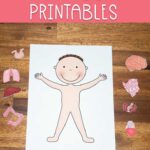
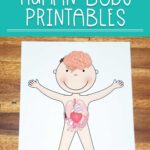
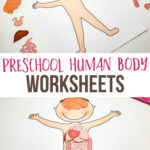


When teaching about the human body, a lot of new vocabulary must be learned first. These preschool human body printables with 3-part cards are great for teaching new vocabulary.
These human body worksheets greatly help your child as they learn about the body, because all of the material is in front of them.
My daughter always asks me what is happening to her food after she eats it. I know that kids always find the end destination of food in our bodies hilarious.
When we studied muscles, I think the best takeaway my son had was his new favorite word: gluteus maximus. In case you didn’t know, that’s butt.
You can cut up the cards, remove the words, and then have your child try to match them up. These printables focus on the major organs of the body: the brain, heart, lungs, liver, kidneys, stomach, and small and large intestines.

This post may contain affiliate links meaning I get commissions for purchases made through links in this post. Read my disclosure policy here.
What are the functions of the human body organs?
Organs belong to different systems in the body. The five body organs vital for survival are the brain, lungs, heart, kidneys, and liver.
Brain
It controls the entire body and is responsible for feeling pain, heat, and touch through the nervous system.
Lungs
This organ is part of the respiratory system and provides the body with oxygen. It also expels waste by exhaling carbon dioxide.
Heart
The heart pumps blood throughout the body, carrying oxygen to ensure each part of the body is oxygenated.
Kidneys
Kidneys are part of the excretory system that produce urine to remove waste products from the body.
Liver, Stomach, and Intestines
These other organs, the liver, stomach, and small and large intestines, belong to the digestive system and help the body digest food to get nutrients into the body.
Why Should Preschoolers Learn About the Human Body?
Learning about body parts helps preschoolers understand how they grow, move, and stay healthy. It also builds early science knowledge in a way that feels natural and age-appropriate.
- Builds body awareness: Children begin to understand where organs are located and how their bodies function.
- Expands vocabulary: Naming parts such as the heart, lungs, and stomach strengthens language skills.
- Encourages healthy habits: Talking about organs opens the door to simple conversations about nutrition and self-care.
Want to dive even deeper? Get these Human Body Activities for Early Learners for more hands-on activities to teach your young learners about the human body, its organs, and the different body systems.
Recommended Human Body Books
Since your child will likely have many questions about the human body that you may not know the answer to, I suggest you get a great book to use as a reference. Any of the DK encyclopedias are a must because they have amazing graphics.
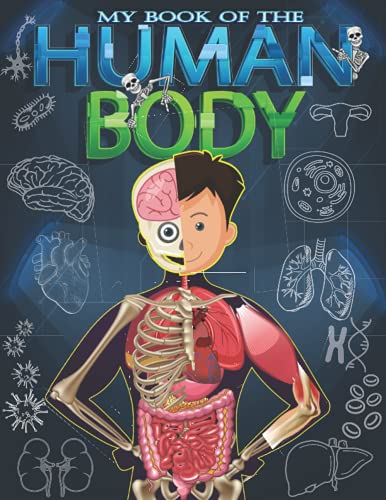
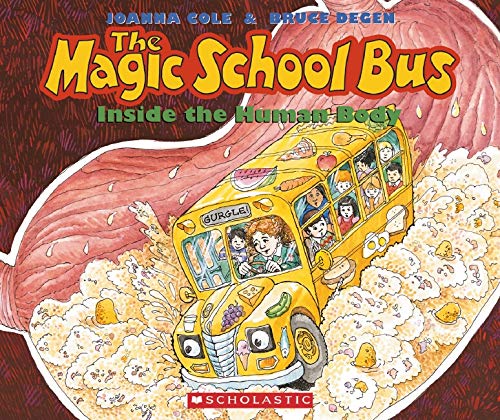
My Book of the Human Body: For Kids Ages 6-12.Human Body! (Knowledge Encyclopedias)Inside Out Human Body: Explore the World’s Most Amazing Machine-You!First Human Body Encyclopedia (DK First Reference)Me and My BodyThe Magic School Bus Inside the Human Body



Human Body Printables Supplies
- Printer (I have this one)
- Paper
- Scissors
- Glue
I have the HP printer 8710, but it’s not available anymore. It’s been running well for years. You can look for another HP Instant Ink-ready printer to use their program to send you ink cartridges whenever your printer gets low on ink.
Recommended Human Body Kits
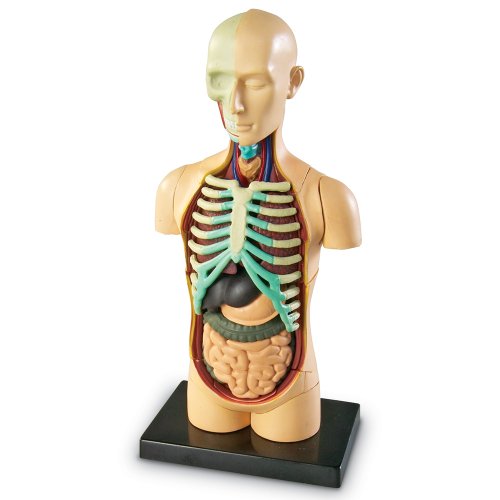
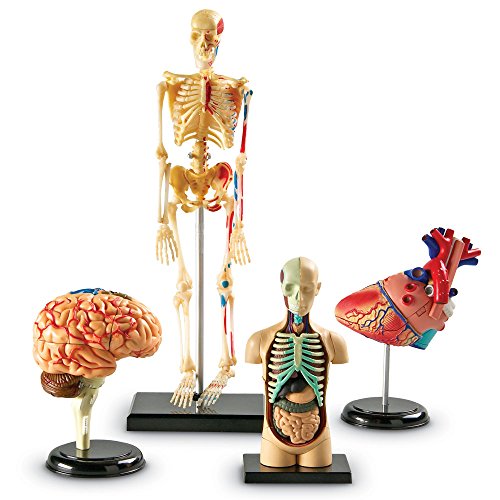
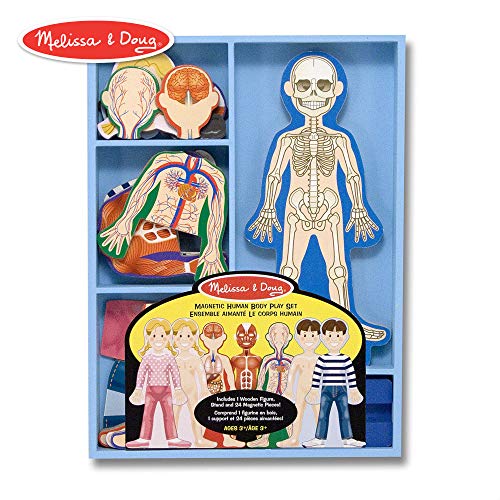
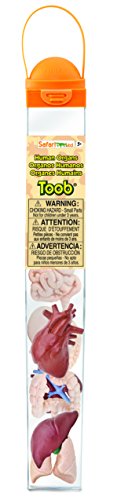
Try one of these human body kits, perfect for kids to figure out the correct anatomy of the body and find out where the organs belong.
If you have a hands-on learner, they would appreciate one of these cool anatomy models to get a 3D visualization of the body.
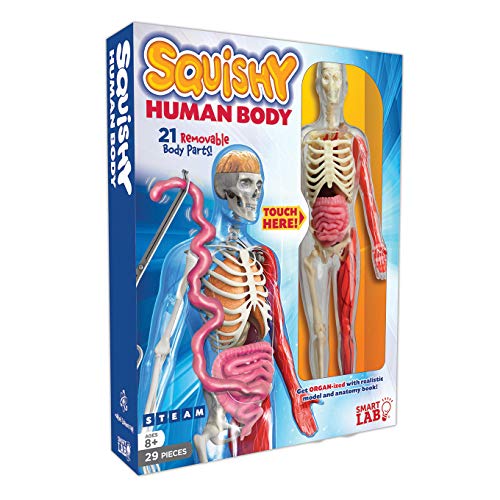
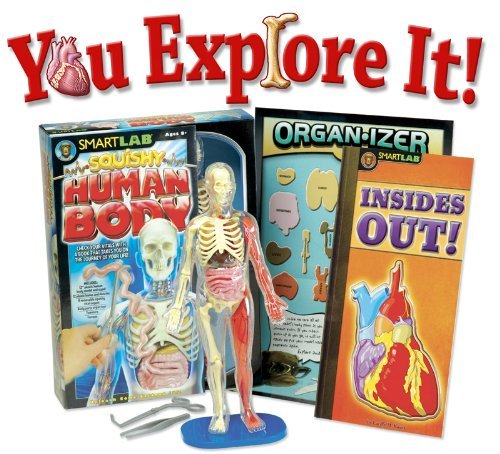
SmartLab Toys Squishy Human BodySmart Lab You Explore It: Human Body ModelLearning Resources Human Body Model, Science Classroom Demonstration Tools, Realistic Human Anatomy Display, 31Piece, Grades 3+, Ages 8+Learning Resources Anatomy Models Bundle Set, Brain, Body, Heart, Skeleton, Classroom Demonstration Tools, Teacher Accessories, Grades 3+, Ages 5+Melissa & Doug Magnetic Human Body Anatomy Play Set (Anatomically Correct Boy and Girl Magnets, 24 Magnetic Pieces and Storage Tray)Safari 689304-SNL, Ltd. Human Organs TOOB – Quality Construction from Safe and BPA Free Materials Toy, Multicolor
Skills Your Child Will Practice with These Anatomy Worksheets
This printable focuses on early science concepts while also supporting fine motor development and visual recognition. Preschoolers learn best through repetition and hands-on tasks, and this set keeps it simple.
- Practice scissor skills by cutting out each organ carefully.
- Match organs to the correct location on the body outline.
- Build vocabulary by naming each body part out loud together.
Recommended Human Body Printable Packs
If your child enjoys this set, I also have additional anatomy activities in my shop that expand on the topic with tactile learning and themed worksheets. They are perfect for extending your science unit without adding stress to your day.


Supplies You Will Need for This Human Body Activity
You do not need much to get started, which is always a win in my homeschool.
- Printer (I have this one)
- Paper or cardstock for durability
- Child-safe scissors
- Glue stick
- Crayons or colored pencils
I have the HP printer 8710, but it’s no longer available. It’s been running well for years now. Consider another HP Instant Ink-ready printer so that you can use their program to send you ink cartridges whenever your printer gets low on ink.
What’s included in preschool human body printables?
These human body printables include 4 pages of 3-part cards for vocabulary, 2 pages of a male and female body outline, and a page of major organs.
The organs that they can study and locate are the brain, heart, kidneys, small and large intestines, liver, lungs, and stomach.
These printables are great for learning about the human body. It will also give them an idea of how important it is to take care of their bodies, because organs have their own functions to fulfill.
Knowing the locations of the organs enables children to pinpoint which part of their bodies is unwell or in pain. Being able to communicate things like this to us will help us know what to do and which medications to give them.
How to use these preschool human body printables?
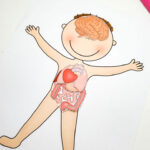
Cut out the organs and place them in the correct location on the body so that your child can get a sense of where the organs are located. It’s not to scale, but it’s a fun puzzle for your child to try to solve.
The small intestine graphic isn’t as accurate as I’d like; it should consist of a set of tubes winding around each other. If stretched out, it would be 5 feet (1.5 meters) long.
It is not visible in the picture, but the kidneys should be located in the lower back area. This includes an answer key, but the kidneys are difficult to see; they are positioned at the back relative to the other organs.
These printables will surely help your child gain a good grasp of human anatomy, the different systems, the organs that make up each system, and their locations.
Ways to Extend This Human Body Activity
You can cut out the 3-part cards, then mix up the words, and have your child match the cards so they look like the whole card with the word on it.
If your child can read, try not to use the card with the word on it and see if they can remember the vocabulary word without looking.
There are male and female body types to choose from for the image. Let them cut the organs, then paste them on the human body image.
If you want more, here are some ideas you can try:
- Try simple human body puzzles – These printable puzzles help children see how body parts fit together while strengthening problem-solving skills. You can find a fun set.
- Play anatomy-themed learning games – Hands-on games make reviewing organs and body parts feel playful instead of repetitive.
- Create a life-size body outline – Trace your child on butcher paper and let them draw or glue organs in the correct spots. My older boys loved this when they were younger because it made the lesson feel real.
- Sing simple body part songs – Music helped my daughter remember vocabulary words more easily when she was small. Repeating lyrics about organs and movement made the information stick.
If your preschooler loves this human body activity, see the huge list of preschool printables here.

Teach your kids all about the human body. They will surely love exploring the human anatomy with these printables!
Fun Human Body Activities to Try
Bring out your child’s creativity with these hands-on human body activities!
- Digestive System Craft for Kids
- Human Body Organs Coloring Pages for Kids
- Best Human Body Books for Preschoolers
- Preschool Human Body Activities
- My Body Preschool Activities
- How to Make Paper Bag Lungs
- X-ray Handprint Craft For Kids by Simple Everyday Mom
- Human Body Printable Bingo Cards by Life With Darcy & Brian
It can be quite hard to understand how the human body works. It is complex, and that is why we need to give our kids a good grasp of its basics as early as now. So that later on, they will be able to understand its complexity and appreciate the beauty of the human anatomy.
Download the human body printables for preschool below


Hi, I’m Monique Boutsiv! I’ve been homeschooling for 18 years and have four children ranging from toddler to adult. I create science activities, educational printables and homeschool resources for preschool through elementary-aged children.
Today, Living Life and Learning includes more than 2,500 printable activities and educational resources to help parents and teachers spend less time planning and more time learning.
Follow along for new printable activities
Thank you for letting me use your printables. You saved me a lot of work. Hope you have a great day.
I’m glad that you’re enjoying them.
thank you for sharing!
You’re welcome!
Thank you..
you’re welcome!
I really love your printables…. thanks a lot my Kids love them too
I’m so happy that you and your kids are enjoying them.
Words seem so little when you are helping provide such wonderful content! We are a homeschool family on a budget and your printables and links help us stay there! Thank you!
I’m so glad they are a blessing to you and your family.
I’m glad they’re a blessing to you and your family.
Thanks for sharing your printables! Such a big help! 🙂
Wonderful!
Will you help me please, I can’t download your freeprintable. Because email is invalid. Thank you before
I put your email in again and it went through I hope you got them.
Thank you so very much for your beautiful creations and for sharing them freely. You have enriched our preschooler’s lessons and I am so grateful for you! These pages are beautiful, clear, and the perfect level. Thank you, thank you!
Hi Leslie, thank you, I’m glad you are finding them helpful.
I didn’t get the link in my email. Could you please re-enter it for me. I tried 4 different times. This is a really great site for homeschoolers! Thank you!
I sent you an email.
My kids and I love these printables. We’ve done this activity multiple times. I recently shared it on my blog in a roundup of our favorite Pinterest finds. http://arrowsandapplesauce.com/5-favorite-pinterest-preschool-finds/
Thanks!
thanks a lot for your material!! i´m a spanish teacher who needed exactly those things! thanks!!
You’re welcome!
Hi! Wow! This an awesome resources! It’s so detailed and very informative! Thank you so much! ?
You’re welcome!
thank you