
5 Senses Books for Preschool


5 Senses Books for Preschool is your quick guide to finding engaging read-alouds that make science feel natural for young learners. If you want stories that connect to real life at home, this list keeps it simple and practical for busy homeschool days.
I’ve put together book picks that pair well with hands-on ideas from my own homeschool. You can also browse my list of fun 5 Senses Activities for Kids for more ideas.
Keep reading to find titles that match your child’s learning style and your routine. You’ll also see tips for teaching the senses, activity kit suggestions, related topics to explore, printable resources, and (of course) my book list.

This post may contain affiliate links meaning I get commissions for purchases made through links in this post. Read my disclosure policy here.
Simple ways to make learning about five senses fun
Make lessons short, playful, and tied to everyday routines. I used these ideas in the past with my older kids when they were in preschool and kindergarten, and they worked well during short morning blocks. You can make the most of small windows of time at the kitchen table or in the yard.
- Use five senses worksheets: Have your child color, match, and circle what they see, hear, touch, taste, or smell.
- Rotate a sense each day: Focus on sight one day, then hearing the next, and so on. This keeps attention fresh and lets you review gently.
- Use real objects from your kitchen: Lemons, cinnamon, and crackers turn into instant science tools. Ask simple questions like “What do you notice?” to build vocabulary.
- Add movement: Try a short listening walk or a texture hunt around the house. Moving the body helps kids remember new words.
- Repeat with small changes: Revisit a favorite activity using new items or a different room. Familiar structure reduces frustration and builds confidence.
Recommended Five Senses Activity Kits
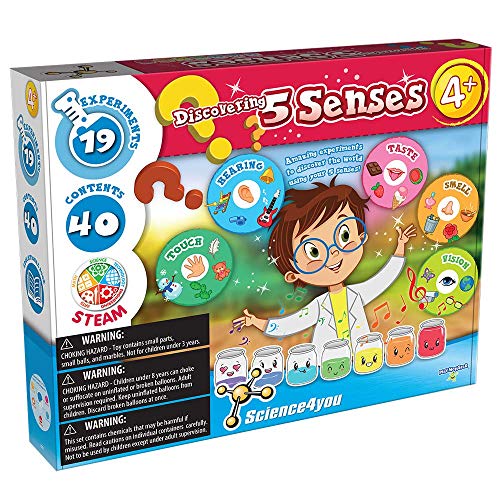
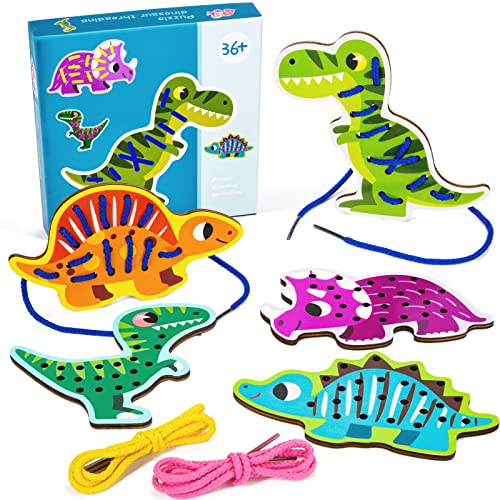
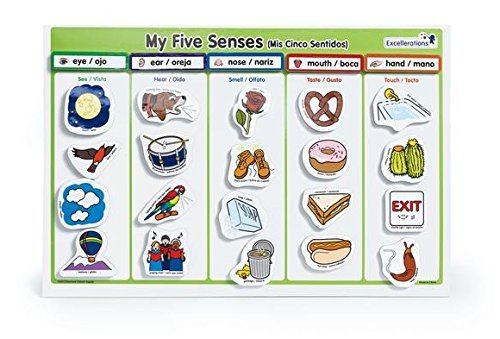
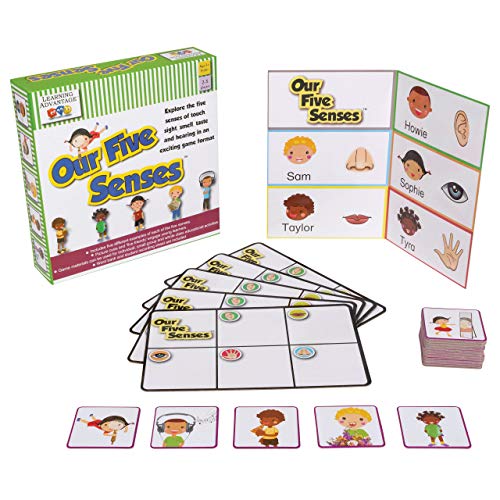
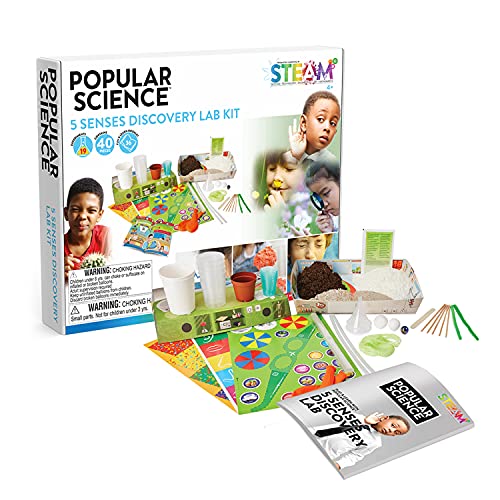
I like ready-to-use kits that cut prep time and invite open-ended play, then I add quick prompts to connect back to each sense.
PlayMonster Science4you – 5 Senses – 19 Engaging Experiments for Children to Explore Their WorldAtoylink 5 Pack Dinosaur Lacing Cards Wooden Threading Lacing Toy for Toddlers Travel Toys Preschool Games Fine Motor Skills Educational ToysExcellerations My 5 Senses Magnetic Activity Set, 12 x 18 inches, Pack of 55, Educational STEM ToyEuroGraphics Five Senses Jigsaw Puzzle (200-Piece)Learning Advantage 2151 Our 5 Senses GamePOPULAR SCIENCE 5 Senses Discovery Lab Science Kit | STEM Toys and Gifts for Educational and Fun Experiments for Families and Children Ages 8 Years +12


What topics connect to the five senses?
You can build a short unit that links the senses to daily life and early science. These ideas keep conversations clear and age-appropriate.
- Healthy habits: Talk about safety with hot pans, loud tools, and tasting rules during cooking.
- Feelings and self-awareness: Noticing sounds and textures can support calm routines and communication.
- Nature study: Compare bird calls, leaf textures, and flower scents during a short walk.
- Basic body science: Name body parts used for each sense and introduce simple functions.
Human Body Printable Packs to Pair With Your Books
When my teens were younger, we used simple printables to label body parts and record observations, which helped with memory and neat handwriting. For your preschooler, try my printable resources that fit short lessons.


What can kids learn from these five-senses books?
These books bring vocabulary, curiosity, and real-world connections to the table. Read before an activity or use a page or two during snack time. Books like these help children:
- Build vocabulary: Words such as rough, smooth, quiet, and sour appear often in daily life.
- Practice observation: Kids slow down, look closely, and share what they notice.
- Connect reading to action: Stories encourage short tests, such as tapping a drum or smelling herbs.
- Develop a simple recall: Repeating a sense across different pages strengthens memory.
More Five Senses Activities To Try
Check out these activities I suggest for exploring the five senses. These ideas are designed to be easy, adaptable, and enjoyable for your children to try at home.
- 5 Senses Activities for Preschool
- 5 Senses Crafts for Preschoolers
- 5 Senses Coloring Pages for Kids
- Five Senses Cut and Paste Worksheets
- Five Senses Coloring Pages for Preschool
- 5 Senses Picture Books for Kids
- 5 Senses Puppets For Kids by Simple Everyday Mom
- Printable Food Pictionary Game for Kids by Darcy and Brian


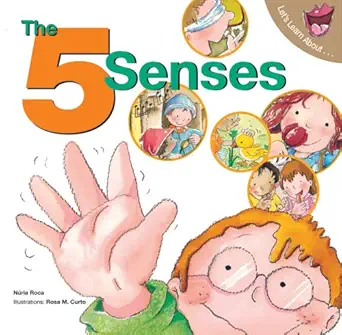


Short, simple lessons plus a steady rotation of read-alouds is enough for a great preschool science rhythm. Choose a couple of books, link them to a kitchen or backyard activity, and enjoy easy progress.

Hi, I’m Monique Boutsiv! I’ve been homeschooling for 18 years and have four children ranging from toddler to adult. I create science activities, educational printables and homeschool resources for preschool through elementary-aged children.
Today, Living Life and Learning includes more than 2,500 printable activities and educational resources to help parents and teachers spend less time planning and more time learning.
Follow along for new printable activities