
Weekly Planner for Kindergarten

Not sure what you’ll be doing with your kindergartner this week? Tired of trying to find supplies and not being able to do an activity because you’re missing things? Get yourself organized for the week ahead with this weekly planner for kindergarten.
Love homeschool planner printables? Know exactly which supplies, books, and videos you need for the week so you can have fun teaching and spend less time worrying.
Kindergarten is filled with hands-on activities, songs, and movement to make learning stick. Enjoy spending this time learning to teach your child to read and write.
It doesn’t have to be a bore.
Get your week organized so you can actually have fun teaching your child, too.
This post may contain affiliate links meaning I get commissions for purchases made through links in this post. Read my disclosure policy here.
What Should Be in a Kindergarten Homeschool Planner?
When I planned our early learning weeks, I needed a kindergarten homeschool planner that kept everything in one spot without making my days feel rigid. The best setup gave me room for structure, simple routines, and flexible ideas I could actually use during a real homeschool week.
- Theme and weekly goals: A clear focus helped me plan the week.
- Book list: I kept our readers in one easy spot.
- Supply checklist: This made prep much simpler.
- Daily subject plans: I could map out phonics, writing, math, and science.
- Motor skill activities: Separate spaces for fine motor and gross motor were helpful.
- Creative play prompts: Arts, music, movement, and dramatic play rounded out the week.
Recommended Homeschool Books
Need some homeschooling inspiration or guidance? Try any one of these homeschooling resources to help you in your homeschool journey.
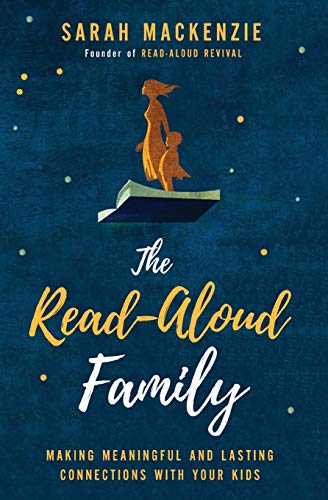
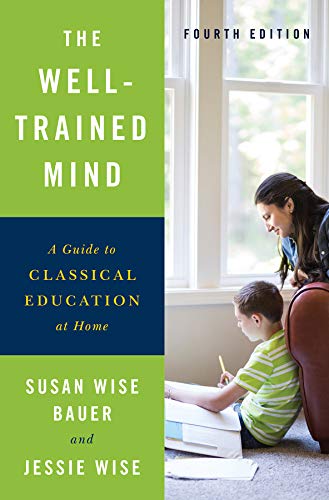
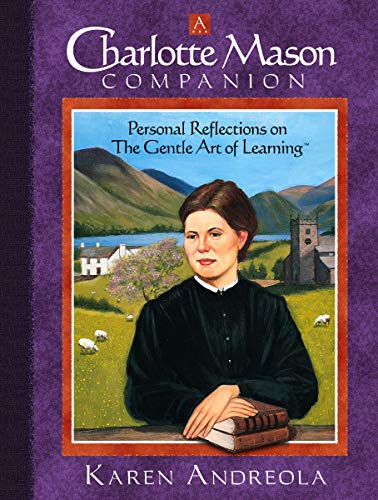
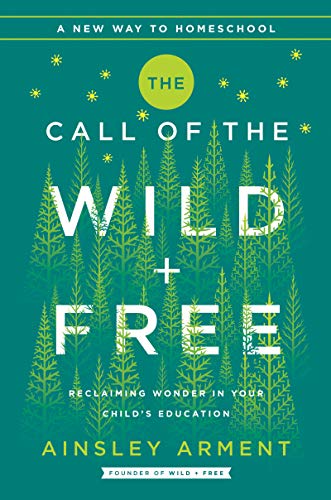
Homeschool Planning Guide for the Unorganized Mom: An easy-to-follow plan for successful homeschooling when you don’t even know where to startThe Brave Learner: Finding Everyday Magic in Homeschool, Learning, and LifeThe Read-Aloud Family: Making Meaningful and Lasting Connections with Your KidsThe Well-Trained Mind: A Guide to Classical Education at HomeA Charlotte Mason Companion: Personal Reflections on the Gentle Art of LearningThe Call of the Wild and Free: Reclaiming Wonder in Your Child’s Education
Subjects to Teach Kindergarteners in Your Homeschool
When I planned kindergarten at home, I focused on the core subjects that gave our days structure without making them feel too heavy. A simple mix of reading, writing, math, science, motor skills, and creative work gave me a solid kindergarten homeschool routine that still left room for play.
Language Arts
I like to focus on language arts skills because they are so foundational to everything else they will learn.
Literature
With help and prompting, kids can ask and answer questions about key events in a story and retell it.
With help and support, they can identify the characters, setting, and key events, and describe the relationship between the pictures and the story.
Reading
Kids can recognize and identify all uppercase and lowercase letters. They can count, blend, and segment syllables in words. Identify beginning, middle, and end sounds in CVC words.
Writing
In kindergarten, kids should be learning to identify and print their upper and lowercase letters. They can use drawings, dictations, and writing to create original pieces of work that retell a story. They can use these skills to narrate a story.
Math
In kindergarten, kids are working more with numbers 11-19, learning to count and compare. They should be able to measure and classify objects.
They should be able to count to 100 by ones and tens. They should be able to work with equations for addition and subtraction. They should be able to decompose numbers to show that 6 = 3 + 3 and 6 = 4 + 2. Using any numbers from 1 to 9, they should be able to make 10.
They should be able to identify and describe 2D and 3D objects.
Science
For science, we like to use a lapbook or notebooking pages to introduce science concepts. They can keep a notebook and draw what is happening in their experiments or what they’re learning about a topic.
We spent a whole year on dinosaurs once, and the amount of writing he did was amazing because my son loved the topic so much. If you had asked him to write about something else, he wouldn’t have wanted to, so I just went with it.
Fine and Gross Motor Skills
Your child should learn to hold a pencil correctly so they can write their letters properly, and I love working on scissor skills through fun cutting activities.
It’s a great time to teach your child how to tie their shoe. You can use these shoe lacing cards to practice. They may not perfect it, but it’s a good time to start.
Getting your child active and moving is important, as kindergarten students can’t sit still for long.
We always made sure there was time outside for them to run around with their basketballs or play fun outdoor games to get them tired enough to sit down for seatwork.
Arts and Crafts
Along with science projects, they can be messy, but if you make the time to gather supplies ahead of time and have one day for all of your projects, you’ll only have one day of major clean-ups.
We loved doing book activities, finding a craft related to the story we read, which helped our kids remember the story better, and they enjoyed recreating the characters or settings.
Looking for more printables like this? Make sure to check this Homeschool Calendar Printable.
My Favorite Homeschool Planners for Organized Weekly Lessons
I always found that the best homeschool planner was the one that fit the season I was in and helped me keep our lessons, subjects, and weekly rhythm organized. One worked well when I needed a flexible system to manage busy days, while the other made planning the younger years feel much simpler.


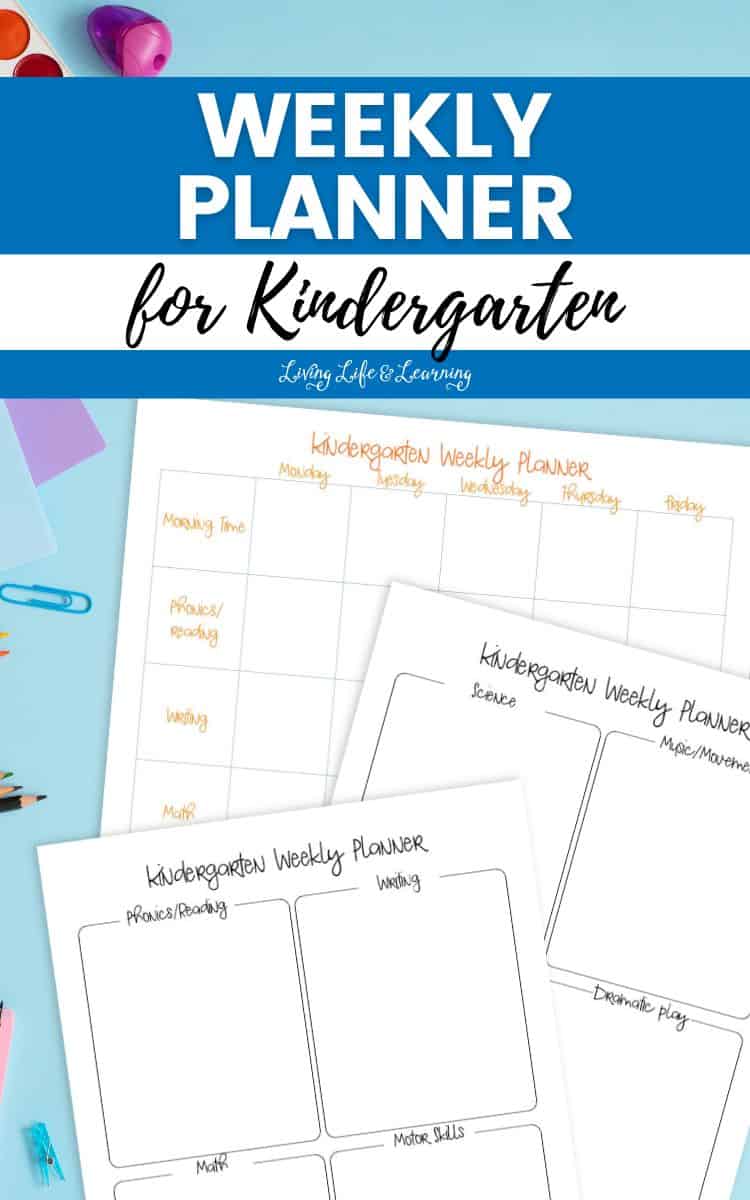
What’s Included in the Kindergarten Weekly Planner?
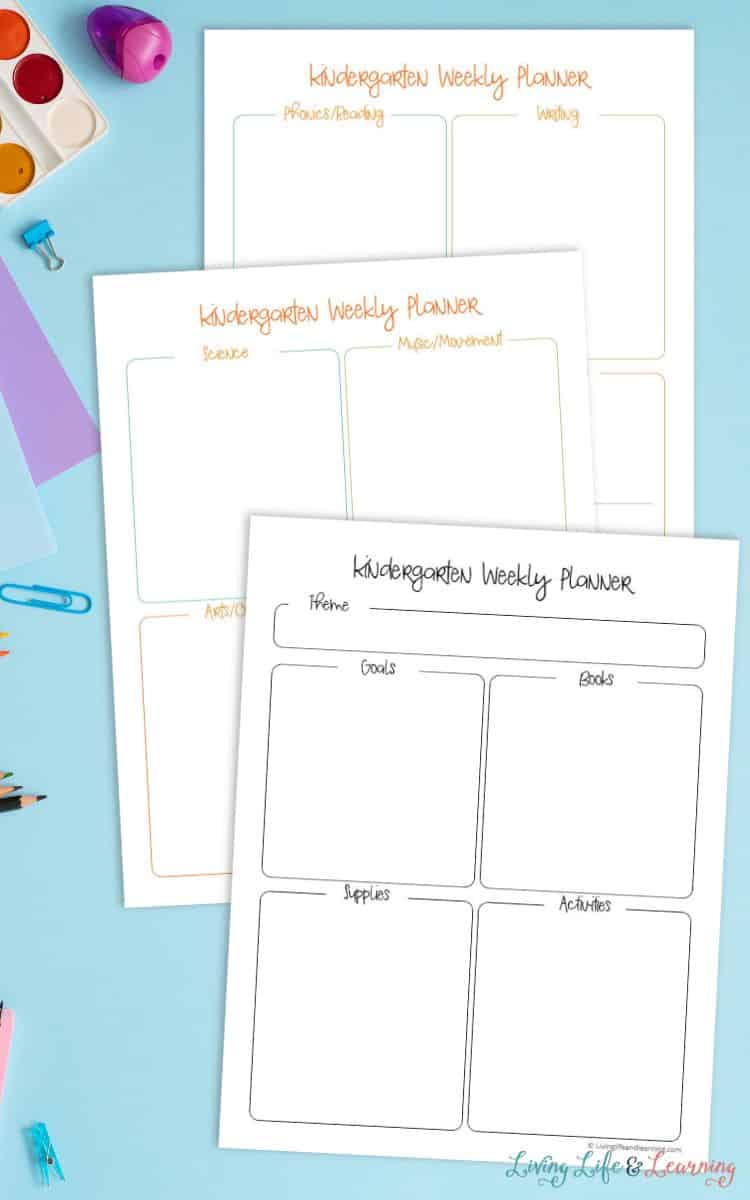
This kindergarten weekly planner includes space for the big-picture parts of your week first, which I always found helpful when I was trying to make sense of everything at once.
You have pages for your theme, goals, books, supplies, and activities, along with planning sections for phonics and reading, writing, math, motor skills, fine motor, gross motor, science, music and movement, arts and crafts, and dramatic play.
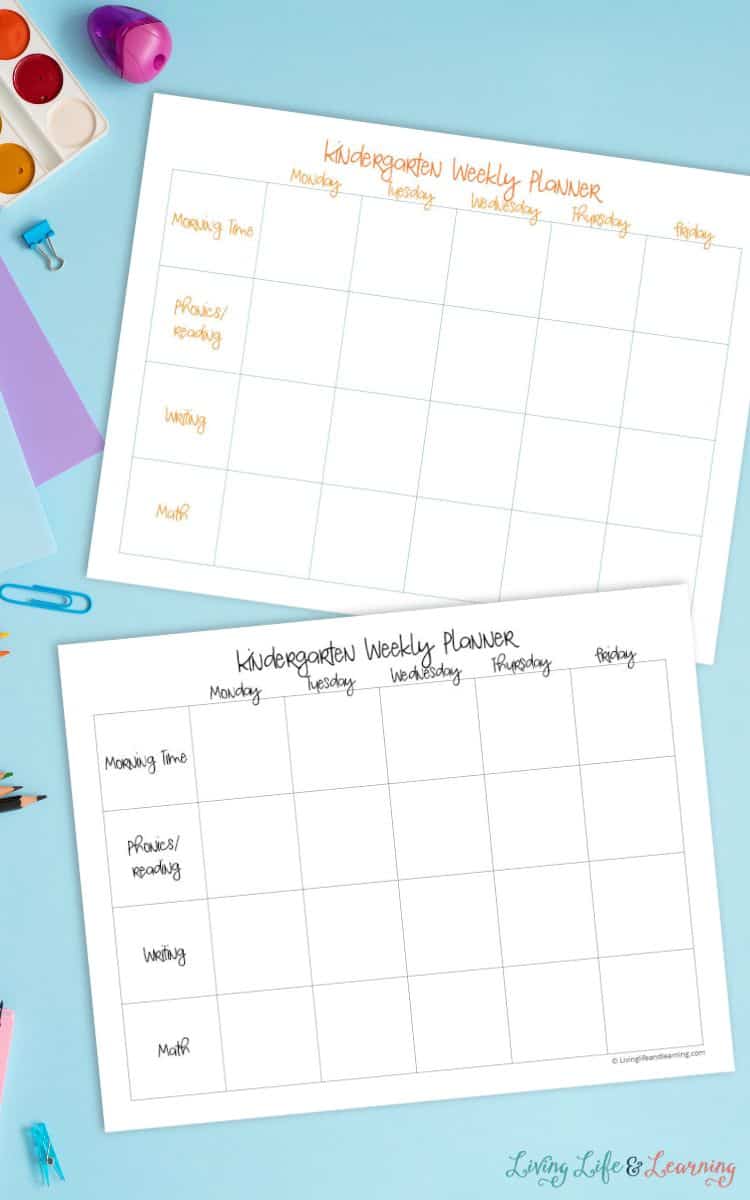
It also includes weekly planning pages laid out from Monday through Friday so you can organize morning time, phonics, and reading, writing, math, science, motor skills, arts and crafts, and dramatic play day by day.
That kind of layout would have helped me a lot when my older kids were at this stage because I could have seen the whole week at a glance and adjusted our kindergarten lesson plans without rewriting everything.
More Homeschool Planner Printables
If you’re trying to build a homeschool planning system that feels realistic, it helps to keep a few extra ideas nearby for those weeks when life gets busy. I always liked having more homeschool planning resources ready because sometimes a small change in how I planned made the whole week run better.
- Homeschool Tracker Printable
- Weekly Homeschool Planner Printable
- Homeschool Curriculum Planner
- Homeschool Student Weekly Checklist
- Homeschool Organization Printables
- Homeschool Checklist Printable
- Free Printable Homeschool Planner
- How to Create a Daily Homeschool Schedule
- Preschool Weekly Planner Template
- Homeschool Planner Weekly Checklist by School Time Snippets
- Lesson planning pages
Go ahead and subscribe to get the kindergarten weekly planner delivered to your inbox.
Download the weekly planner printable below


Hi, I’m Monique Boutsiv! I’ve been homeschooling for 18 years and have four children ranging from toddler to adult. I create science activities, educational printables and homeschool resources for preschool through elementary-aged children.
Today, Living Life and Learning includes more than 2,500 printable activities and educational resources to help parents and teachers spend less time planning and more time learning.
Follow along for new printable activities