
Spider Identification Chart


Spiders turn up everywhere in the fall, in the garden, on the porch and sometimes in the bathtub. This Spider Identification Chart gives kids a way to look closely at those eight-legged visitors and figure out what kind of spider they might be.
If you’re planning a bigger spider study, see my list of fun spider activities for kids for more printables, crafts and experiments.
This 6-page printable includes three spider identification chart pages with four spiders on each, a My Favorite Spiders page and a Dangerous Spiders puzzle with an answer key. Kids practice observing spider features, reading short spider descriptions and remembering spider names.

Printable Overview
|
Resource Detail |
Information |
|
Recommended age |
6-9 |
|
Subject |
Science |
|
Number of pages |
6 pages |
|
Skills practiced |
Observation, identifying spider features, reading, drawing, writing and puzzle solving |
|
Topics covered |
Spiders, spider identification and dangerous spiders |
|
Supplies |
Printer, paper, pencil and colored pencils |
|
File type |
|
This post may contain affiliate links meaning I get commissions for purchases made through links in this post. Read my disclosure policy here.
Who Is This Spider Identification Chart For?
This chart is for kids who are curious about the spiders they find outside or around the house.
- Homeschool families doing a spider or bug unit
- Classrooms learning about spiders in the fall
- Kids who want to know more about the spiders they see on nature walks
Why Should Kids Learn to Identify Spiders?
Learning to identify spiders helps kids swap fear for curiosity and teaches them which spiders to leave alone.
Spiders are arachnids, not insects. They have eight legs, two main body parts and no antennae. Once kids know what to look for, they start noticing differences in color, markings and size from one spider to the next.
My son loved trying to identify weird and gross spiders, and he loved our unit on spiders. My other son and daughter were grossed out, so we didn’t spend much time here and went on to other animals. I love how I was able to cater science to their interests.
Recommended Spider Books
These spider books pair well with the chart and give kids more pictures and facts to compare.
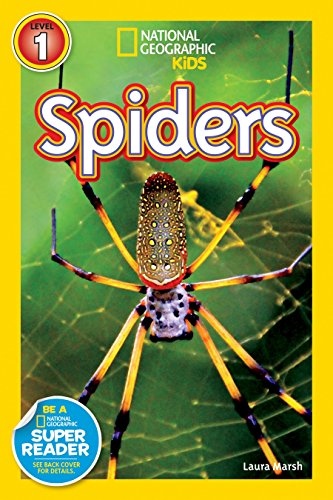
National Geographic Readers: SpidersThe Tighty Whitey Spider: And More Wacky Animal Poems I Totally Made UpThe Often Misunderstood Black Widow – A Bedtime Story Picture Book for Kids Ages 3-5 years and above : A fun interactive tale for learning about spidersArachnid the Spider King (Beast Quest #11)An Interview with Harry the TarantulaThe Tarantula Scientist (Scientists in the Field Series)


Recommended Spider Activity Kits
These spider toys, puzzles and kits give kids something hands-on to explore alongside the chart.
Remote Control Spider Kids Toys Realistic Wall Climbing RC Spider Toys with LED Light, Toys for 3 4 5 6 7 8 9 10 11 12+ Year Old Boys/Girls, Gifts for Halloween Christmas Easter BirthdayDolliBu Black Spider Super Soft Stuffed Animal, Cute Realistic Stuffed Animals for Girls. Boys and Adults Animal Gifts, Kids Spider Nursery Décor, Cuddly Spider Plush Toys – 8 inchesRobo Alive Giant Tarantula by ZURU Battery-Powered Robotic Interactive Electronic Spider That Moves and Crawls, Comes with Web Slime, Prankst Toys for Boys, Kids, TeensOrigami Bugs Ebook: Origami Fun for Everyone! This Easy Origami Book Contains 20 Fun Projects, Origami How-to Instructions and Downloadable ContentMideer Insect Puzzles for Kids Ages 4+, Every Piece is Unique – Floor Puzzles for Kids, 126 Piece Kids Puzzles for Preschool Graduation Decorations, Toddler Learning Toys for 4+ Year OldsInsects Bugs & Spiders Activity Book For Kids Ages 4- 8: A Fun Puzzle Book For Bug Lovers With Maze, Word Search, Mirror Image Drawing, Coloring Pages, Jokes And Many More!


What Will Kids Learn?
Kids practice observation, science vocabulary and a little reading and writing with these pages.
- Observation: Compare the colors, markings and body shapes of 12 different spiders.
- Spider identification: Connect each spider’s name with its features and where it lives.
- Reading: Read a short description of each spider on the charts.
- Drawing and writing: Draw three favorite spiders and describe their special features.
- Problem solving: Use clues and given letters to solve the Dangerous Spiders puzzle.
What Supplies Are Needed?
You’ll only need a printer, paper and something to write and draw with.
- Printer (I have this one)
- Paper
- Pencil
- Colored pencils for the drawing page
I have the HP printer 8710, but it’s not available anymore. It’s been running well for years now. Look for another HP Instant Ink-ready printer so that you can use their program to send you ink cartridges whenever your printer gets low on ink.
What Is Included in the Spider Identification Chart?
The printable includes three spider chart pages, a favorite spiders page, a puzzle and an answer key.
Spider Identification Chart Pages
Three chart pages each show four spiders with a picture and a short description, for 12 spiders in all. They include the brown recluse, black widow, wolf spider, tarantula, Goliath bird eater, redback and Sydney funnel-web spider. Kids can study the pictures and details, then use the charts as a reference when they spot a spider outside.

My Favorite Spiders
Kids list and draw three favorite spiders, then write the special features they like most about each one. This page works well after they’ve looked through the charts and picked out the spiders that stand out to them.
Dangerous Spiders Puzzle
Kids read six clues about dangerous spiders and fill in each spider’s name, with a few letters already given to help. An answer key is included, so you can check their work quickly.

How Can You Extend the Activity?
Try one of these simple ideas after the printable.
- Spider walk: Take the chart outside and look for spiders and webs in the yard or garden. Remind kids to look but not touch.
- Spider sort: Sort the 12 spiders by features such as color, size or where they live.
- Build a spider: Use playdough and pipe cleaners to build a spider with two body parts and eight legs.
- Spider journal: Keep a page for each spider you find with a drawing, the date and where you saw it.
Keep the Learning Going
If your child wants to keep studying spiders, these resources from my shop are the next step.
- Junior Scientist Science Study: Spiders for a full spider science study
- Bats and Spiders Bundle for learning about bats and spiders together this fall
For hands-on science all year, the Young Learners Science Club is a monthly science membership for homeschool families. Each month brings a new Science Adventure built around one topic, with hands-on investigations, crafts and games that use common household supplies.
What Other Activities Can You Try?
Here are more spider activities to add to your lessons:
- Paper Plate Spider Craft
- The Very Busy Spider Craft and More Spider Activities
- Spider Worksheets for Elementary Students
- Spider Coloring Pages
- Spider Handwriting Worksheets
- Spider Lifecycle Lapbook from 3 Boys and a Dog
- Spider Counting from Homeschool Preschool

FAQs
This Spider Identification Chart gives kids a simple way to look closely at spiders, learn their names, and know which ones to leave alone. Bring it along the next time you spot a web on the porch.
Download the spider chart printable below


Hi, I’m Monique Boutsiv! I’ve been homeschooling for 18 years and have four children ranging from toddler to adult. I create science activities, educational printables and homeschool resources for preschool through elementary-aged children.
Today, Living Life and Learning includes more than 2,500 printable activities and educational resources to help parents and teachers spend less time planning and more time learning.
Follow along for new printable activities
This is an amazing resource! I love it.
I’m so glad you enjoyed my spider worksheets. Thanks, Macy.