
Simple Heart Pump Model


One of my favorite ways to explain science is through hands-on projects. This Simple Heart Pump Model was such a hit with my kids, and I think you’ll love doing it with your family, too. It’s a great way to explore how the human heart works using basic materials you probably already have at home.
If you want more activities like this one, check out my Human Body Activities for Kids page. It’s full of interactive science and fun that helps your kids understand how their bodies function.
Back to our project, this post walks you through a simple science experiment for grades 1 to 3. We’ll talk about heart anatomy, how this activity helps, and how to make it part of your learning day. Keep reading to get the full instructions and helpful tips.

This post may contain affiliate links meaning I get commissions for purchases made through links in this post. Read my disclosure policy here.
Fun Heart Facts for Kids
Before the activity, let’s discuss some quick facts about hearts. These heart facts are perfect for sharing with your kids while they set up their models or wait for their turn. They’ll be surprised just how incredible their hearts are.
- Your heart beats around 100,000 times every single day. That means by the time your child finishes this activity, their heart will have already pumped hundreds of times.
- It pumps about 1.5 gallons of blood every minute. That’s enough to fill more than a dozen drinking glasses in sixty seconds.
- Even though it’s only about the size of a fist, it’s one of the strongest muscles in your body. It works nonstop from before you’re born and never takes a break, not even while you’re sleeping.
Recommended Cardiology Books
Books that show real-life diagrams and fun facts can make a huge difference in learning. Add a few to your library to help you with your biology lessons.
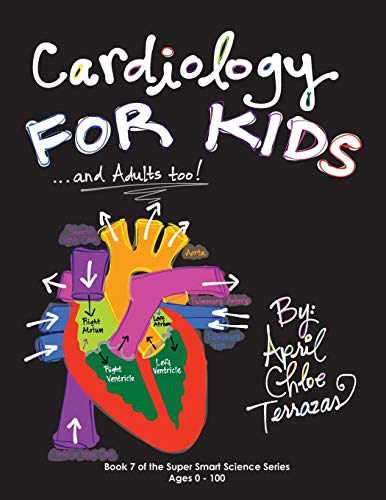
A Heart Pumping Adventure: An Imaginative Journey Through the Circulatory System (Human Body Detectives)Cardiology for Kids …and Adults Too! (Super Smart Science)Cardiology For Kids: Heart to Heart/ An Amazing Muscle: Heart Health and Exercise : Eating Healthy/For KidsCardiology for Kids: A Fun Picture Book About the Cardiovascular System for Children (Gift for Kids, Teachers, and Medical Students) (Medical School for Kids)Your Heart: A Fun Approach to the Cardiovascular System (Body McCannics: Body Systems)Doc 2 Doc: Tony and Jace Learn About The Heart



Human Heart Anatomy and Physiology
When we talk about the human heart, we’re really talking about an amazing muscle. It works all day and night, moving blood around the body. Blood carries oxygen and nutrients to your organs and helps remove waste.
The heart has four chambers – two atria on top and two ventricles on the bottom. Blood moves through each of these sections in a specific order. Valves between them keep the blood from flowing the wrong way.
The left side of the heart sends oxygen-rich blood to the body, and the right side takes in oxygen-poor blood to send it to the lungs. Understanding this flow makes the heart model activity even more meaningful.
What can kids learn from this activity?
This heart pump model teaches more than just science—it helps kids with important observation and fine motor skills.
- How blood moves through the body – Kids see firsthand how pressure forces liquid through the straw, similar to how the heart pumps blood.
- Basic anatomy terms—While working, you can discuss heart parts like atria, ventricles, and valves.
- Cause and effect – Pressing the balloon shows how a small action creates a significant result, an early step toward scientific thinking.
Recommended Human Body Printable Packs
These printable packs are perfect for extending your learning. They are fun and colorful. They work well with these types of projects.


How do we make learning about our hearts exciting?
I’ve found that kids get way more excited when they can touch and move things while learning. That’s why hands-on science activities work so well for younger students. It’s not just about reading facts—it’s about bringing those facts to life.
This model lets them see how pressure makes the “blood” flow, just like in our bodies. It’s simple, engaging, and leaves a lasting impression.
Recommended Human Body Kits
If your kids loved this activity, human body kits are a great way to keep that interest going. These kits often include models, charts, and tools that help kids understand more complex systems in a fun way.
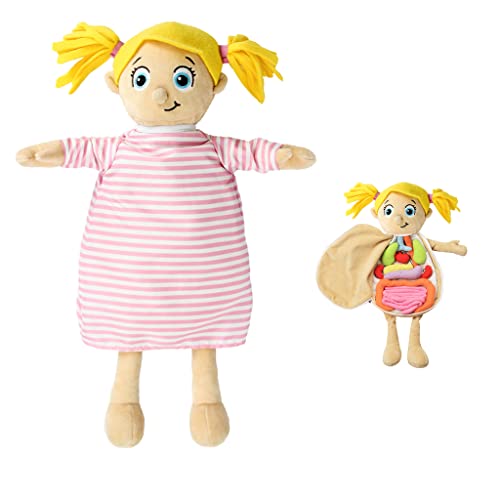
Melissa & Doug Magnetic Human Body Anatomy Play Set With 24 Magnetic Pieces and Storage Tray – Human Body Model For Kids, Human Body Puzzle For Preschoolers And Kids Ages 3+BOCZIF 3D Organ Apron, Human Body Organs Apron Awareness Educational Tool Toy for Kids, Anatomy Costume Apron Plush Stuffed Viscera Model Removable for Home Preschool Early Childhood Teaching AidYnybusi Kids Early Educational Learning Toys Human Organs Model ,17 Pcs DIY Assembly Science Kits Toys for Boys Girls 3 4 5 6 7 8 Year Old Preschool Learning ToysHuman Body Puzzle for Kids Toddlers 90PCS Magnetic Boy Girl Anatomy Play Set Body Parts Organs Muscles Skeleton and Bones Wooden Puzzle Toys for Kids Aged 3+ Educational Learning Preschool ToysMontessori Toys for Toddlers, Body Learning Toys for Kids Toddlers, Learning Binder Sturdy Book Toddler Activity Educational, Early Learning Toys Book for 2 3 4 Year Old Boys & GirlsKAKIBLIN Human Body Anatomy Toy, Preschool Educational Organ Plush Toys for Kids, Science Learning Kits for Student, Body Organ Awareness Teaching Tools,Girl



Human Heart Model Activity Supplies
- 1 cup or a glass
- Water
- Red food coloring
- 2 bendable straws
- Play-Doh
- Balloon
- Scissors
- Tape (packaging, painters, or duct tape)
- Bowl
How to Make a Simple Heart Pump Model
My daughter was skeptical the first time we tried this, but once we got going, they were amazed. We added a few drops of red food coloring to a jar half-filled with water. It immediately looked like blood, which got their attention right away.
Cutting the balloon and stretching it over the jar was tricky—something I had to help with. We taped it securely, then poked two small holes for the straws. My kids were fascinated as we inserted the straws and sealed one off with Play-Doh. The other was bent toward the bowl.

The moment we pressed the center of the balloon and saw the colored water squirt through the straw and into the bowl, they were hooked. It turned into a whole discussion about how our hearts do the same thing every moment of the day.
More Human Body Activities to Try
- Human Heart Activities for Preschoolers
- My Body Activities for Kindergarten
- Make Your Own Paper Bag Lungs Activity
- How to Make a Lung Model
- Eyes Worksheet for Kindergarten
- The Human Heart Worksheet by 3 Boys and a Dog
- Human Body Systems Worksheets by Homeschool of 1

Simple Heart Pump Model
Materials
- 1 cup or a glass
- Water
- Red food coloring
- 2 bendable straws
- Play-Doh
- Balloon
- Scissors
- Tape packaging, painters, or duct tape
- Bowl
Instructions
- Fill a jar halfway with water, and add red food coloring.
- Cut the balloon’s neck off and stretch it over the jar’s top.
- Tape it down tightly.
- Use scissors to cut two small holes in the balloon.
- Insert two straws into the holes.
- Use Play-Doh to block one straw.
- Bend the other straw so it points into a bowl.
- Press the balloon gently and watch the water squirt.
This easy heart pump science experiment for kids shows how the heart works. It doesn’t take much time or supplies, and it’s one of those projects that sticks with your kids long after you’re done. It’s a great science and hands-on learning mix, perfect for early elementary students.

Hi, I’m Monique Boutsiv! I’ve been homeschooling for 18 years and have four children ranging from toddler to adult. I create science activities, educational printables and homeschool resources for preschool through elementary-aged children.
Today, Living Life and Learning includes more than 2,500 printable activities and educational resources to help parents and teachers spend less time planning and more time learning.
Follow along for new printable activities