
Five Senses Books for Toddlers

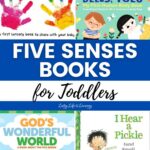
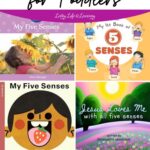
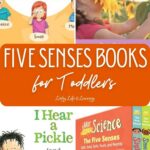
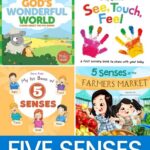
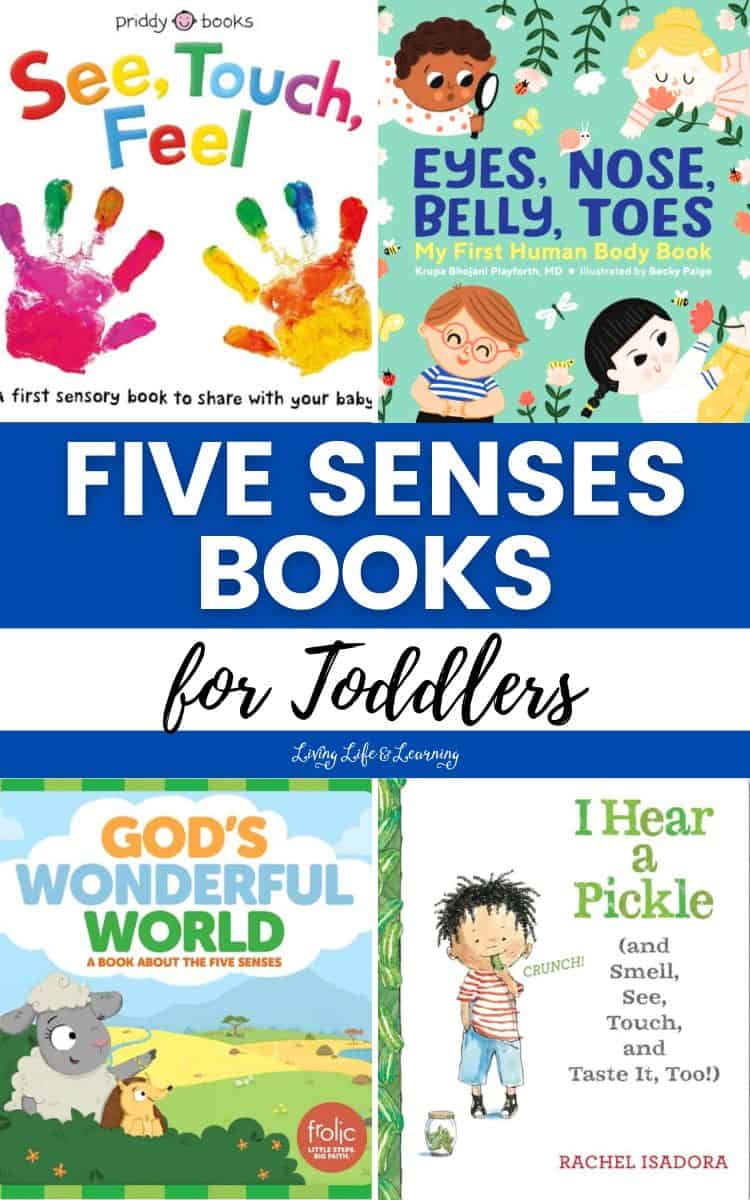
When I started looking for Five Senses Books for Toddlers, I wanted stories that felt simple, engaging, and easy to pair with hands-on learning at home. As a mom, I know how helpful it is to find read-alouds that keep young children curious without making planning feel complicated.
If you’re putting together a sensory theme, be sure to check out my list of 5 Senses Activities for Kids. I’ve found that having a go-to page packed with ideas saves me so much time when I want to pull together a quick lesson for my children.
I’m sharing why this topic matters, a few teaching ideas, extra ways to build on the concept, and a list of book picks worth adding to your shelf. Keep reading if you want easy inspiration you can use with your toddler this week.
This post may contain affiliate links meaning I get commissions for purchases made through links in this post. Read my disclosure policy here.
Why learn about the five senses?
Learning about sight, hearing, smell, taste, and touch helps toddlers make sense of the world around them. I’ve noticed that when I talk through these concepts during reading or snack time, everyday moments become meaningful learning.
- Builds observation skills: Children begin to notice what is happening around them, from the sound of birds outside to the texture of a soft blanket.
- Supports language growth: Sensory topics give moms plenty of opportunities to introduce descriptive vocabulary such as smooth, loud, sweet, and bright.
- Encourages curiosity: Toddlers naturally want to explore, and this theme gives that interest a clear direction.
- Connects learning to daily life: I like that I can teach these ideas while cooking, walking outside, or folding laundry.
- Creates a strong science foundation: Early exposure to basic concepts of the body and senses helps prepare kids for later science learning.
Best Five Senses Toys for Hands-On Play
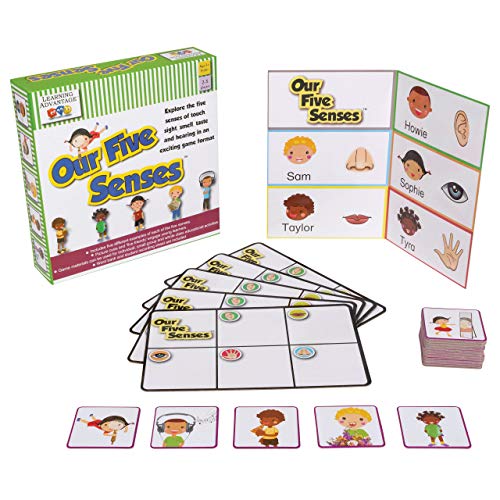
I always like to add a few open-ended sensory toys when we’re working on this theme because they make learning feel natural and relaxed. The best choices are items that invite toddlers to explore texture, sound, color, scent, and movement in a safe and playful way.
LEARNING ADVANTAGE Our 5 Senses Game | Learning Game for Kids Ages 3+ | Teach The 5 Senses | Practice Descriptive Language5 Senses Learning Activity for Kids Educational Teacher Supplies Five Senses Sorting Cards Learning Game Develop Fine Motor Skills for Toddlers Preschoolers and Kindergarteners Homeschool Must HavesJanod Sensory Game Memo – 12 Sound Blocks with 6 Sounds to Be Combined in Pairs – Develops Hearing and Hearing Memory – Awaken Senses – Wooden Toy – from 3 Years – J05309, J05309, Multi-ColouredHeadu 123 Touch Bingo Montessori, Educational Toys for Boys and Girls Ages 3-6 Years Old, Preschool Learning Toys, Teacher Homeschool Supplies, BirthdayChuckle & Roar Matching Game Donut EditionMOLLYBEE KIDS Preschool Scavenger Hunt Cards at Home, Preschool Games, Gifts for Ages 3,4


Easy Five Senses Lessons for Early Learning
I keep lessons short and flexible since toddlers learn best through play. Most of our activities happen naturally throughout the day.
- Texture exploration: Let your child feel different materials like fabric, sand, or water and describe them.
- Sound walks: We step outside and listen for birds, cars, or wind, then talk about what we hear.
- Taste tests: Try small samples of sweet, salty, or sour foods and discuss reactions.
- Smell jars: Use safe scents like vanilla or citrus and have your child guess what they smell.
Fine Motor Printable Packs for Early Learning
I also like pairing sensory topics with hands-on printables that build coordination. It gives kids another way to practice skills while staying on theme.


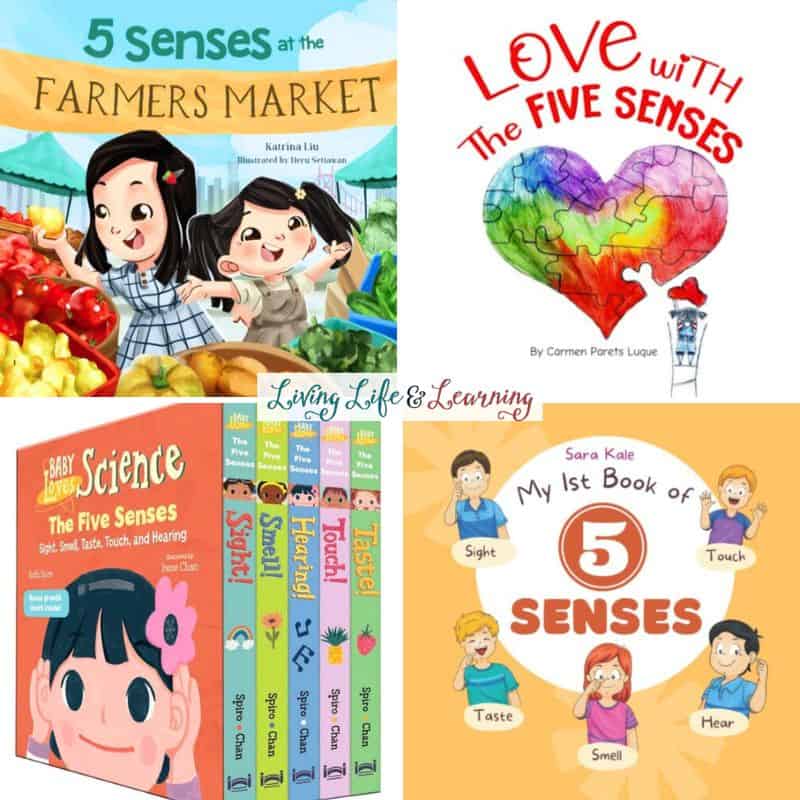
What Can Kids Learn From These Books About the 5 Senses?
Reading about the senses helps toddlers connect words to real experiences. It also reinforces what they already notice during play.
- Descriptive language: Kids learn how to explain what they feel, see, and hear.
- Body awareness: They understand how different parts help them interact with their surroundings.
- Curiosity and questioning: Books often lead to more “why” and “how” questions.
- Early science concepts: Even simple explanations introduce basic ideas about how things work.
Ways to Extend Learning Beyond the Books
After reading, I like to follow up with simple activities to keep the idea going. This is where learning really sticks.
- Try hands-on sensory play – I like using simple activities that let my child explore through touch, smell, and sight. The ideas on this list are easy to set up and keep learning playful without much prep.
- Add tracing practice – Tracing gives kids a chance to slow down and focus while still working on the same topic. These worksheets helped my child build hand control while reviewing key ideas in a simple way.
- Create a sensory bin – This is one of my go-to activities when I need something quick. I fill a container with safe items tied to a theme, and my child explores at their own pace while we talk about textures, sounds, and more.
- Go on a nature walk – Stepping outside makes everything feel more real. We point out what we notice along the way, and I ask simple questions to keep my child thinking about what they see, hear, and smell.
More 5 Senses Activities To Check Out
If your child enjoys this topic, there are so many ways to keep going. Sensory learning fits easily into everyday moments without extra planning.
I like mixing books, play, and simple activities so things never feel repetitive.
- 5 Senses Art and Craft Activities
- Five Senses of Summer Worksheets
- 5 Senses Worksheet for Kindergarten
- 5 Senses Puppets For Kids by Simple Everyday Mom
- Texture Touch Boxes by Prekinders
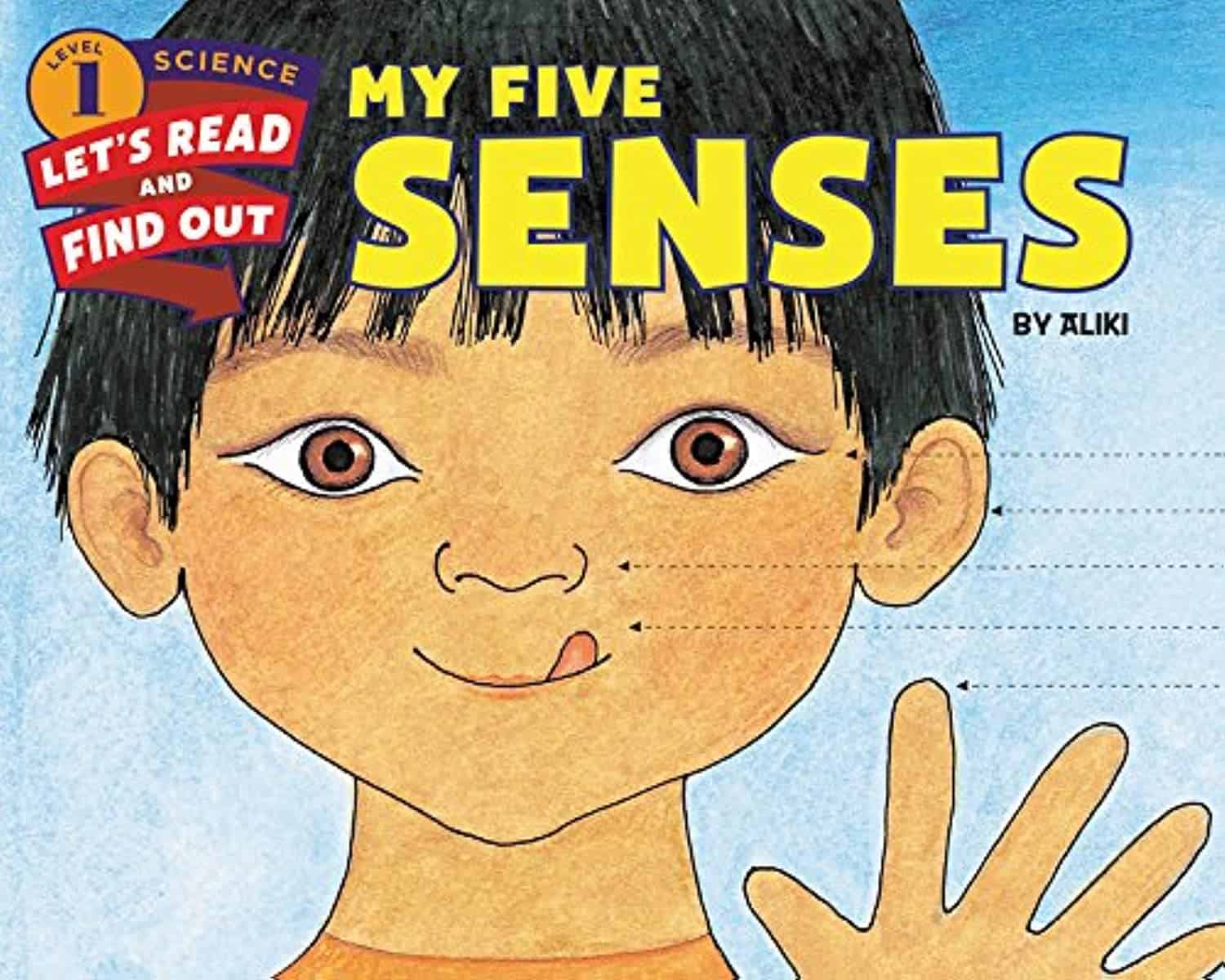
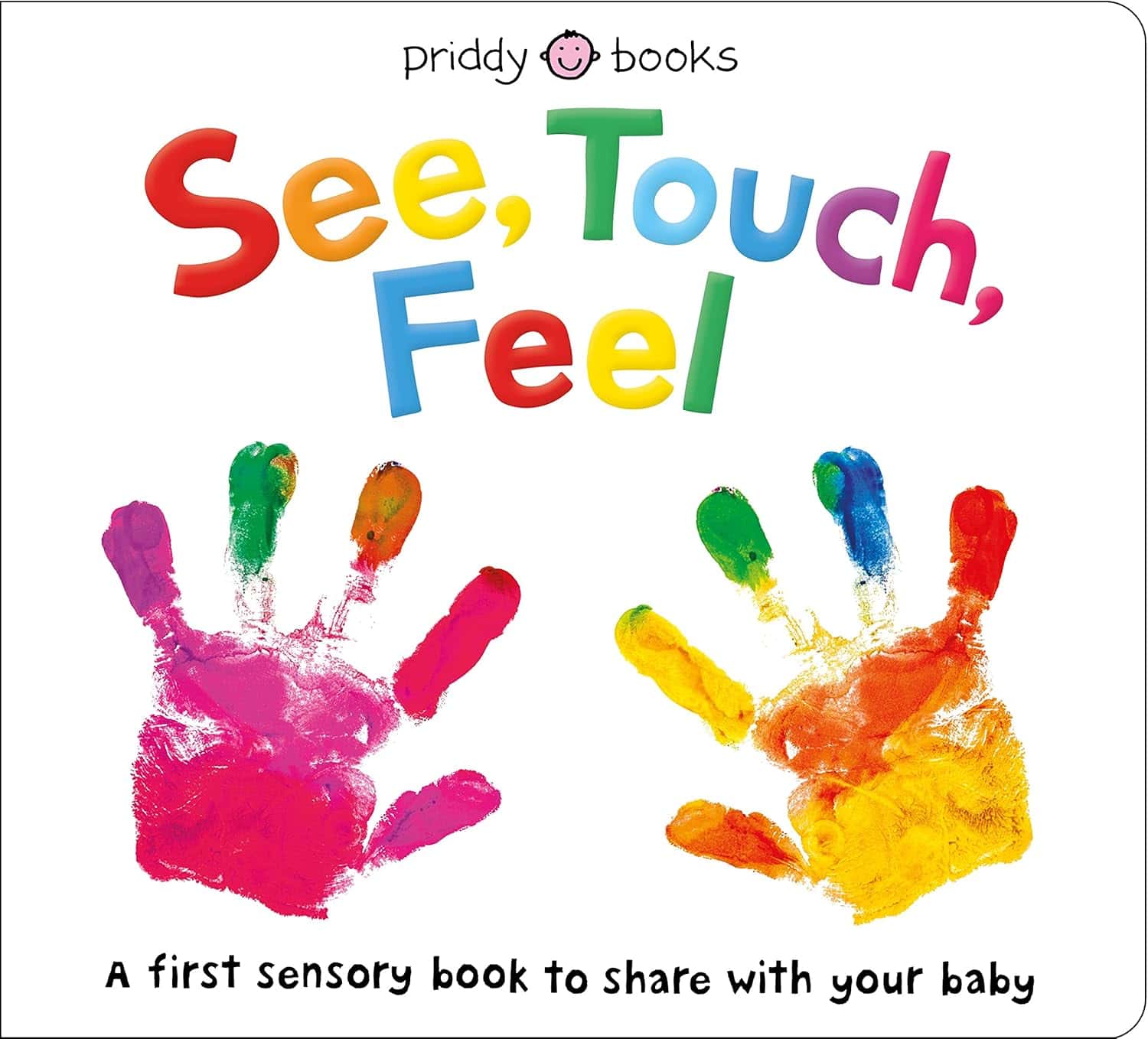
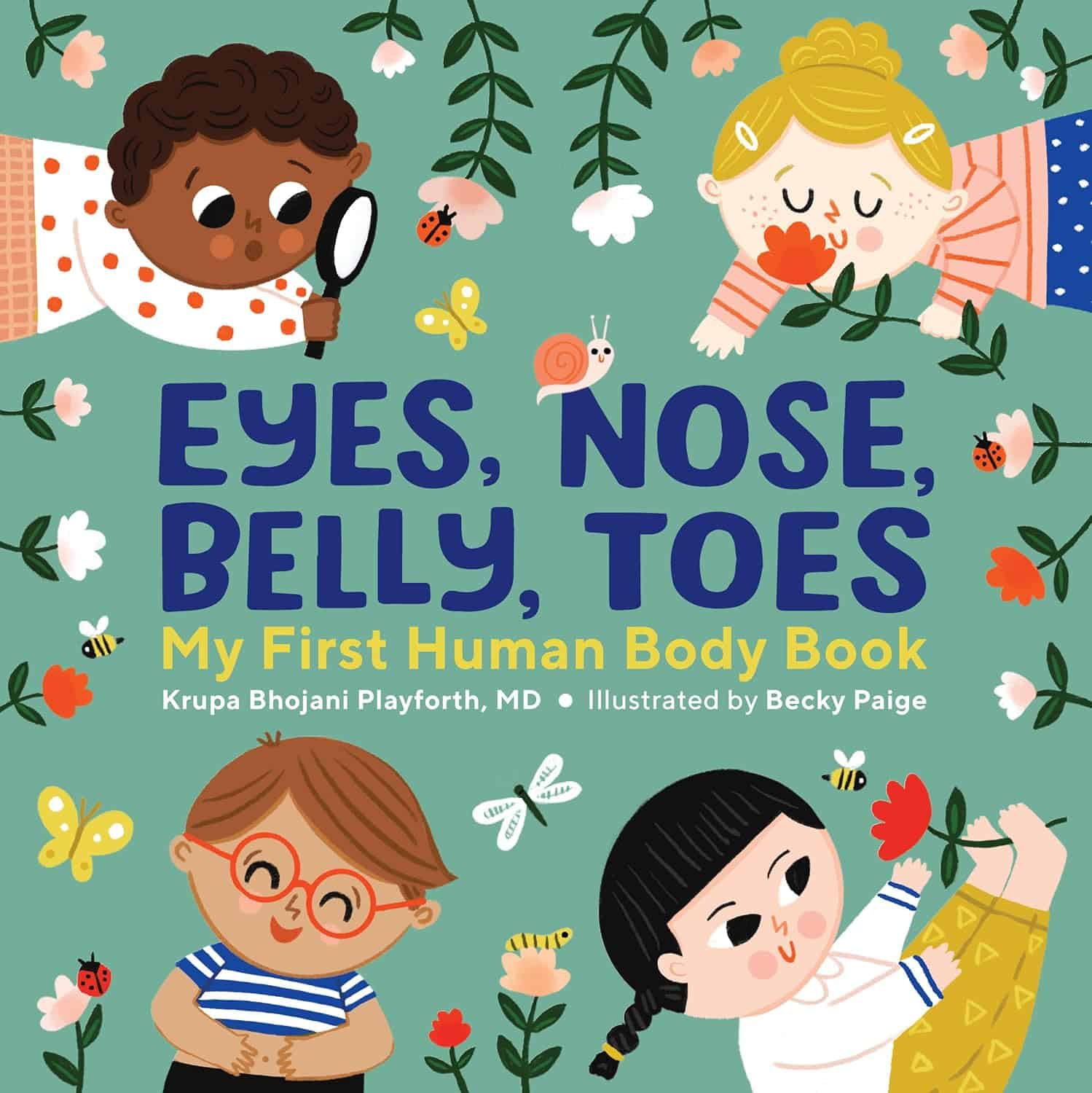
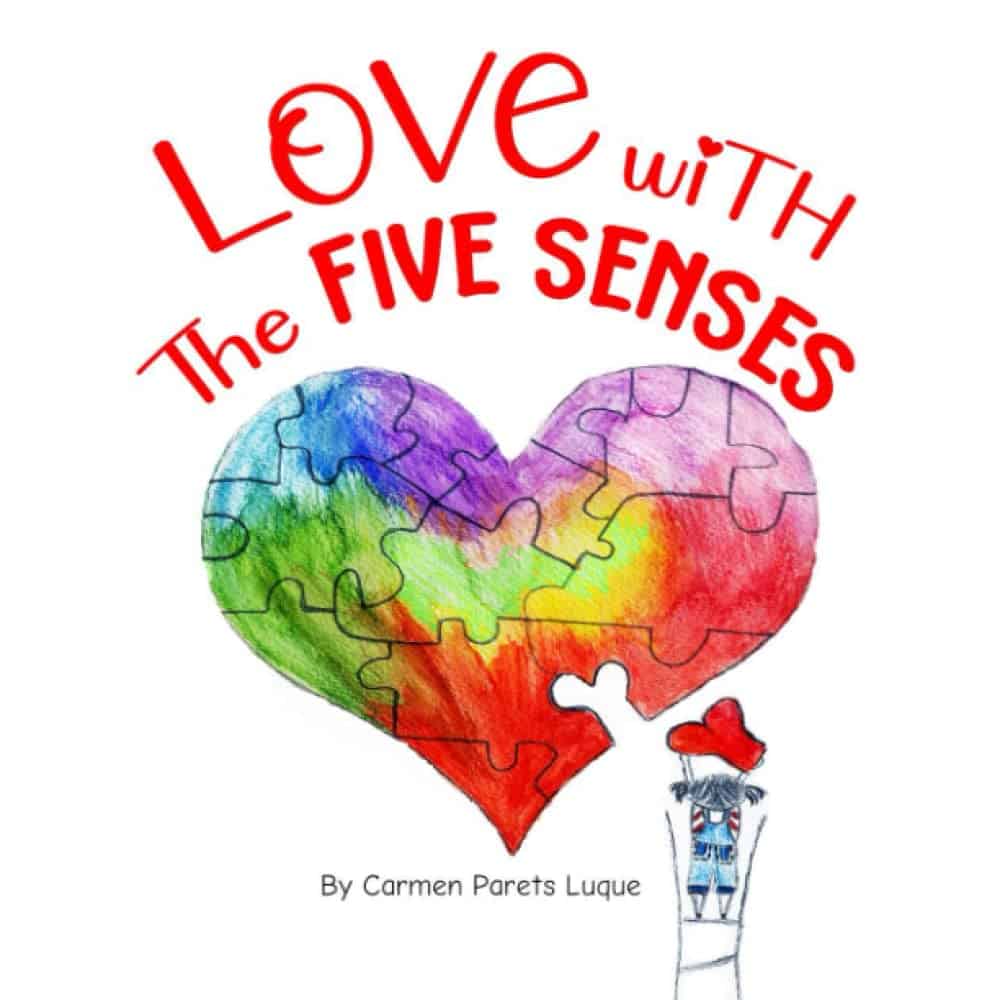
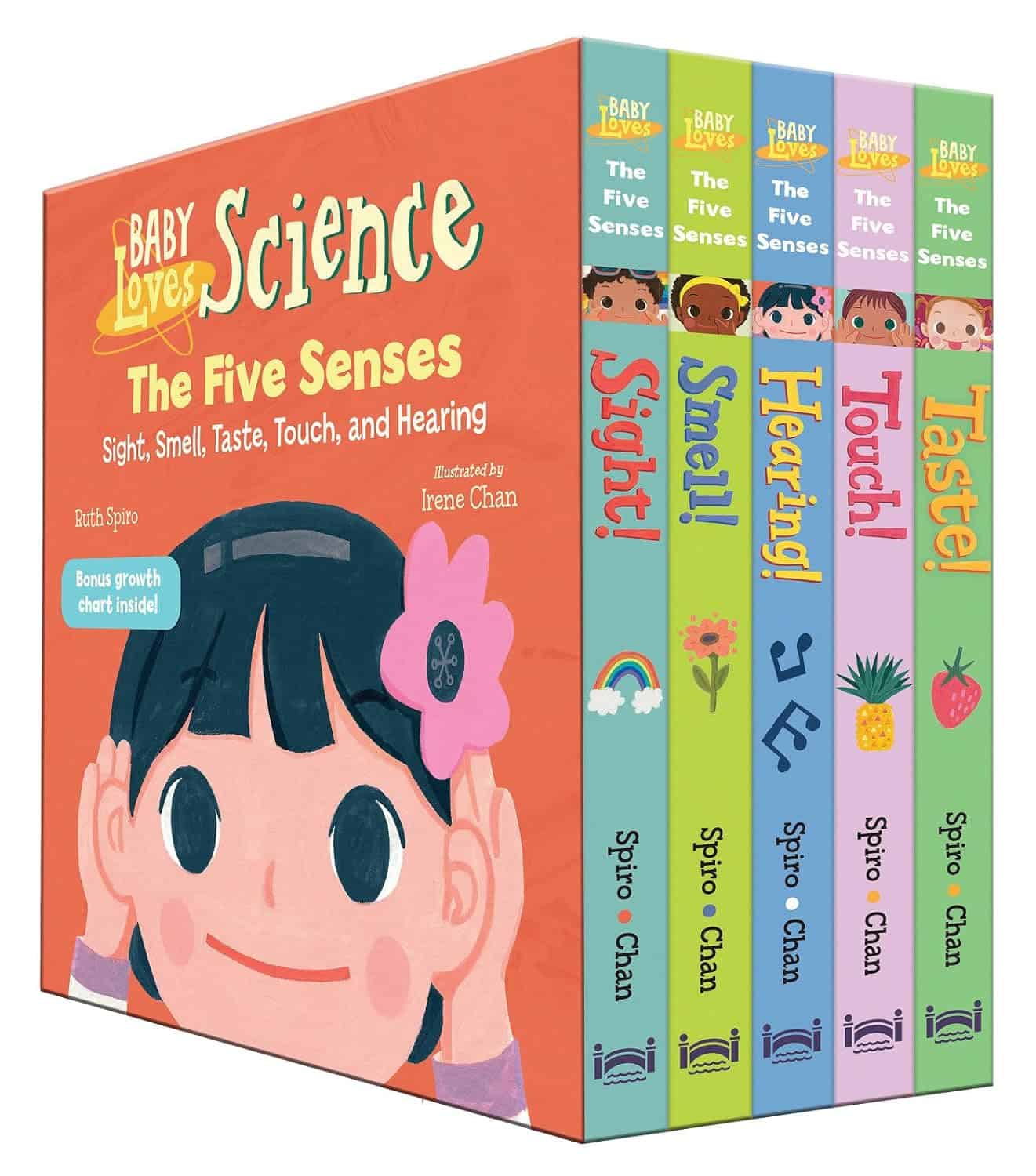
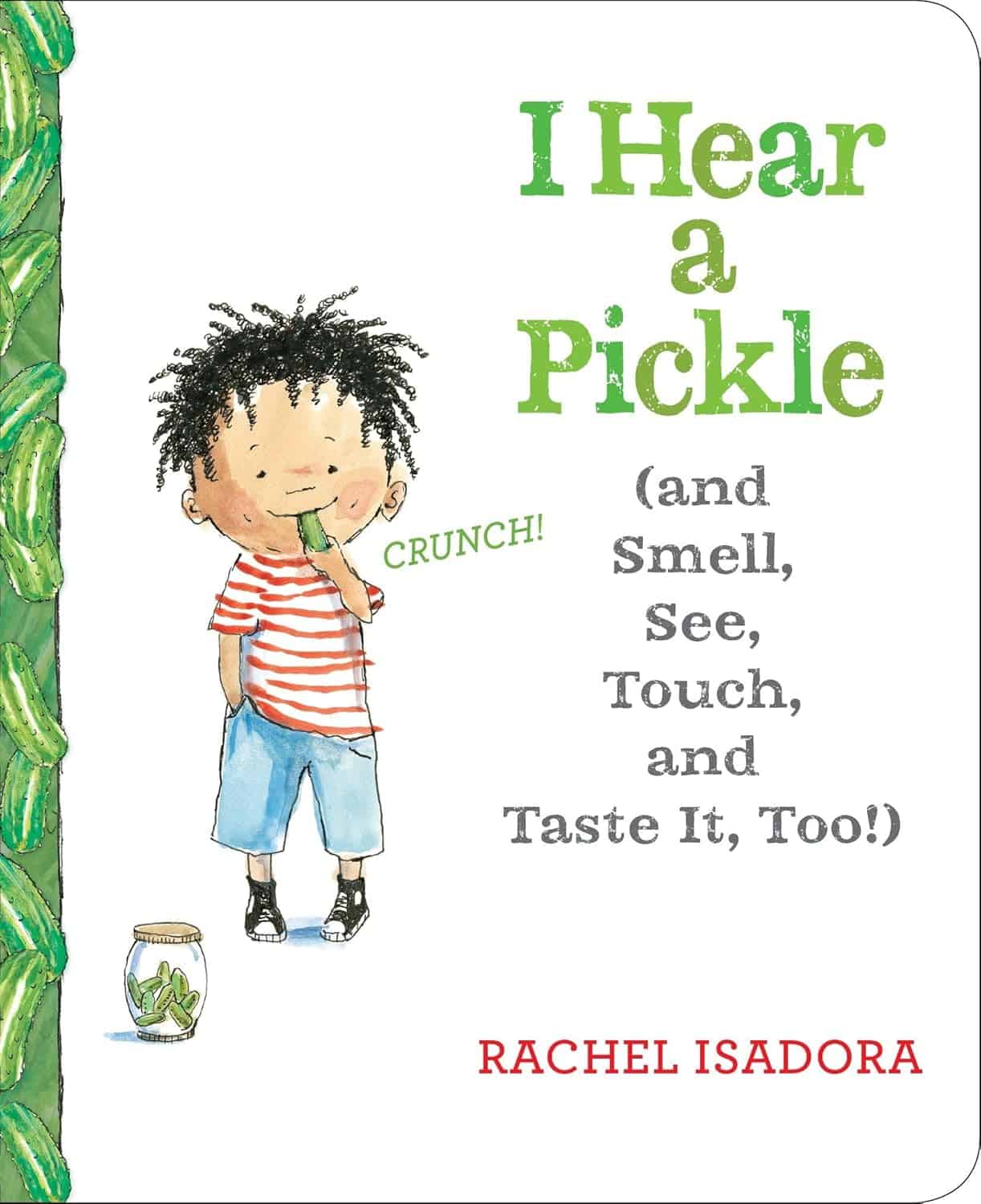
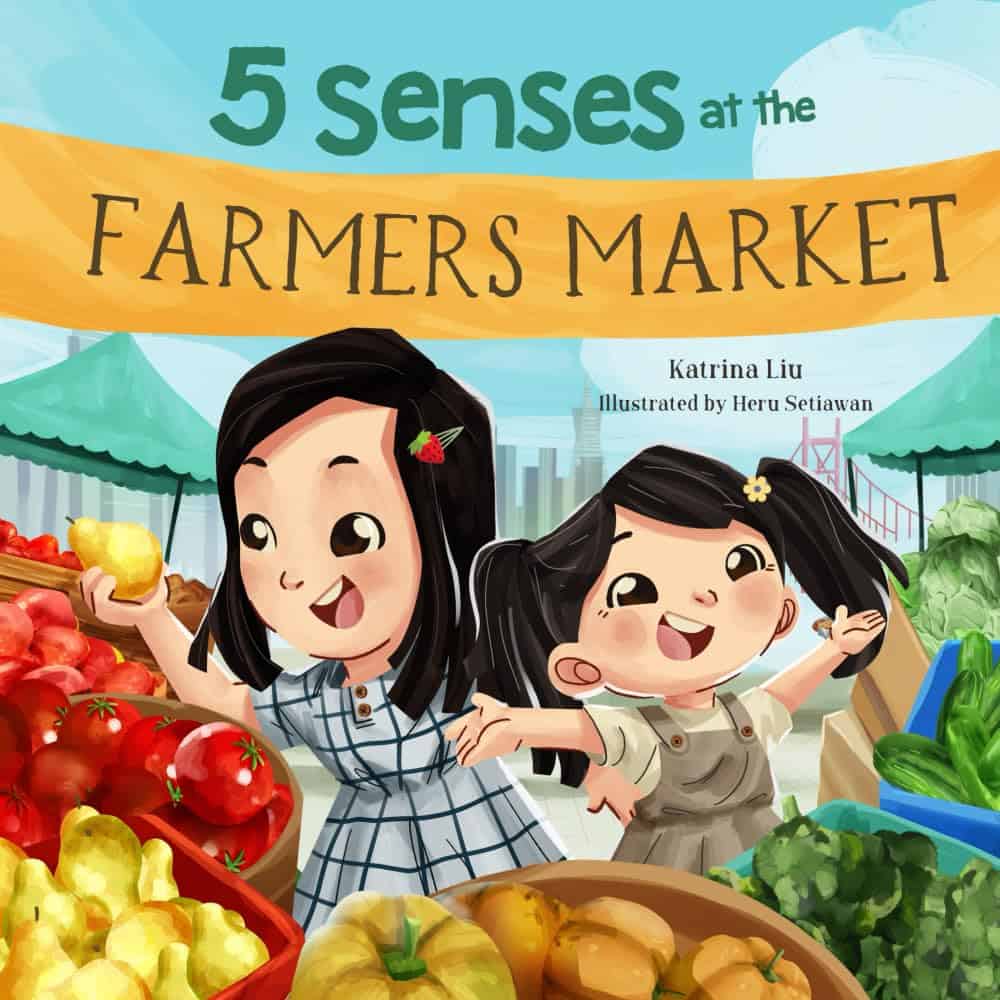
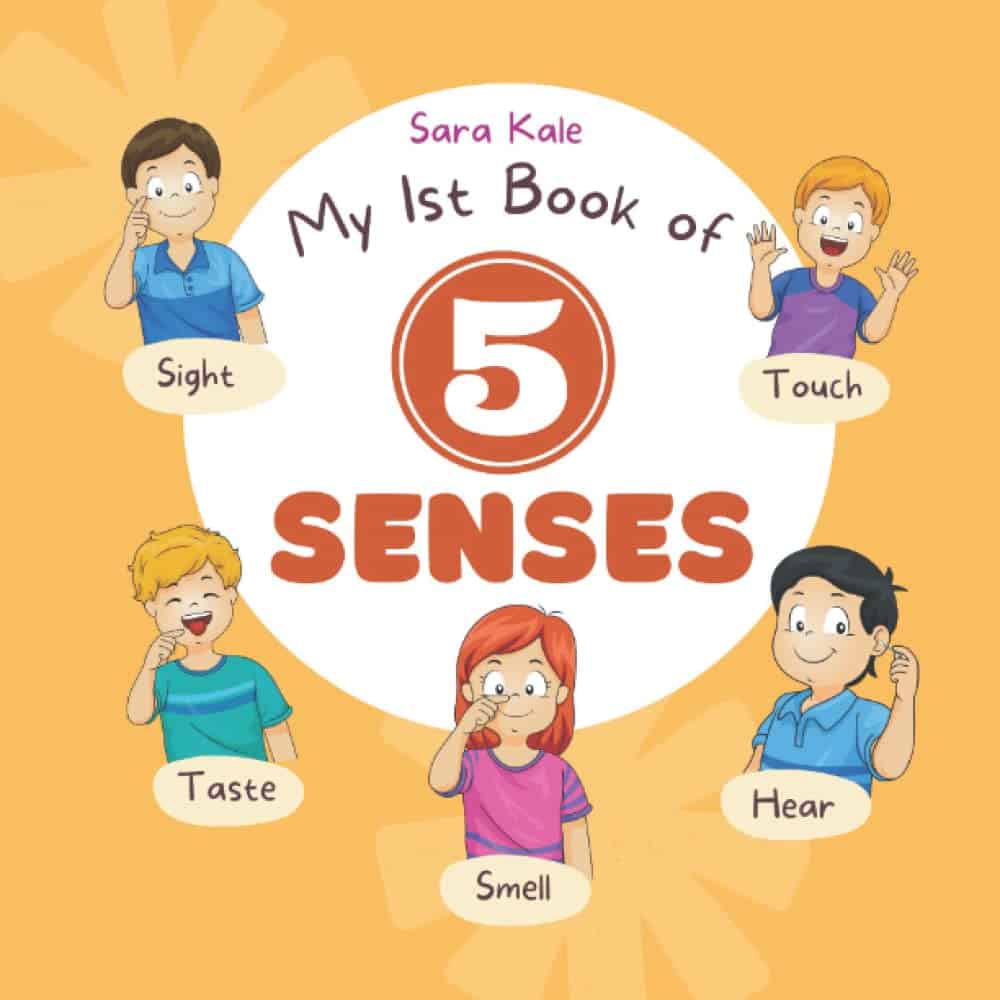
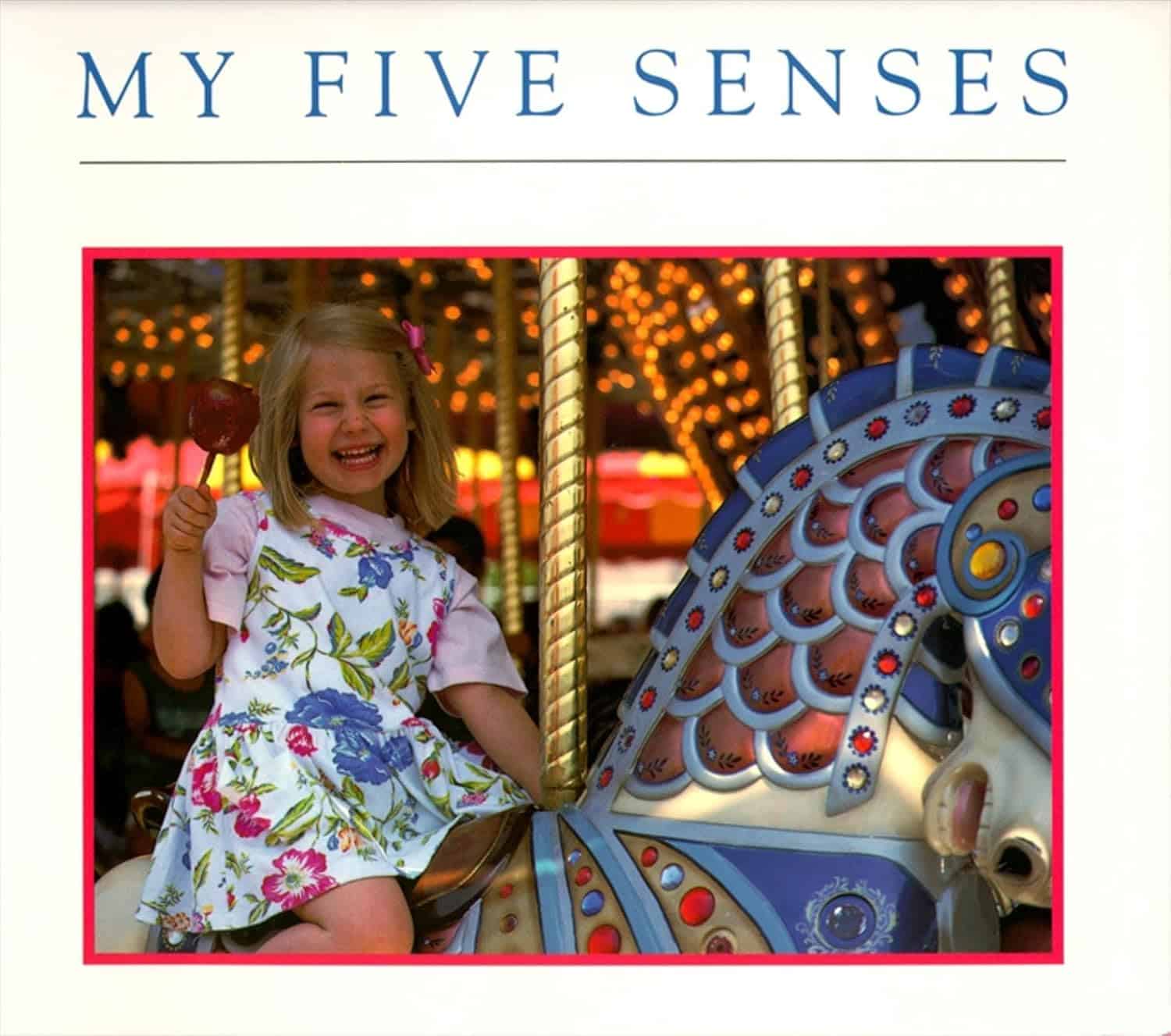
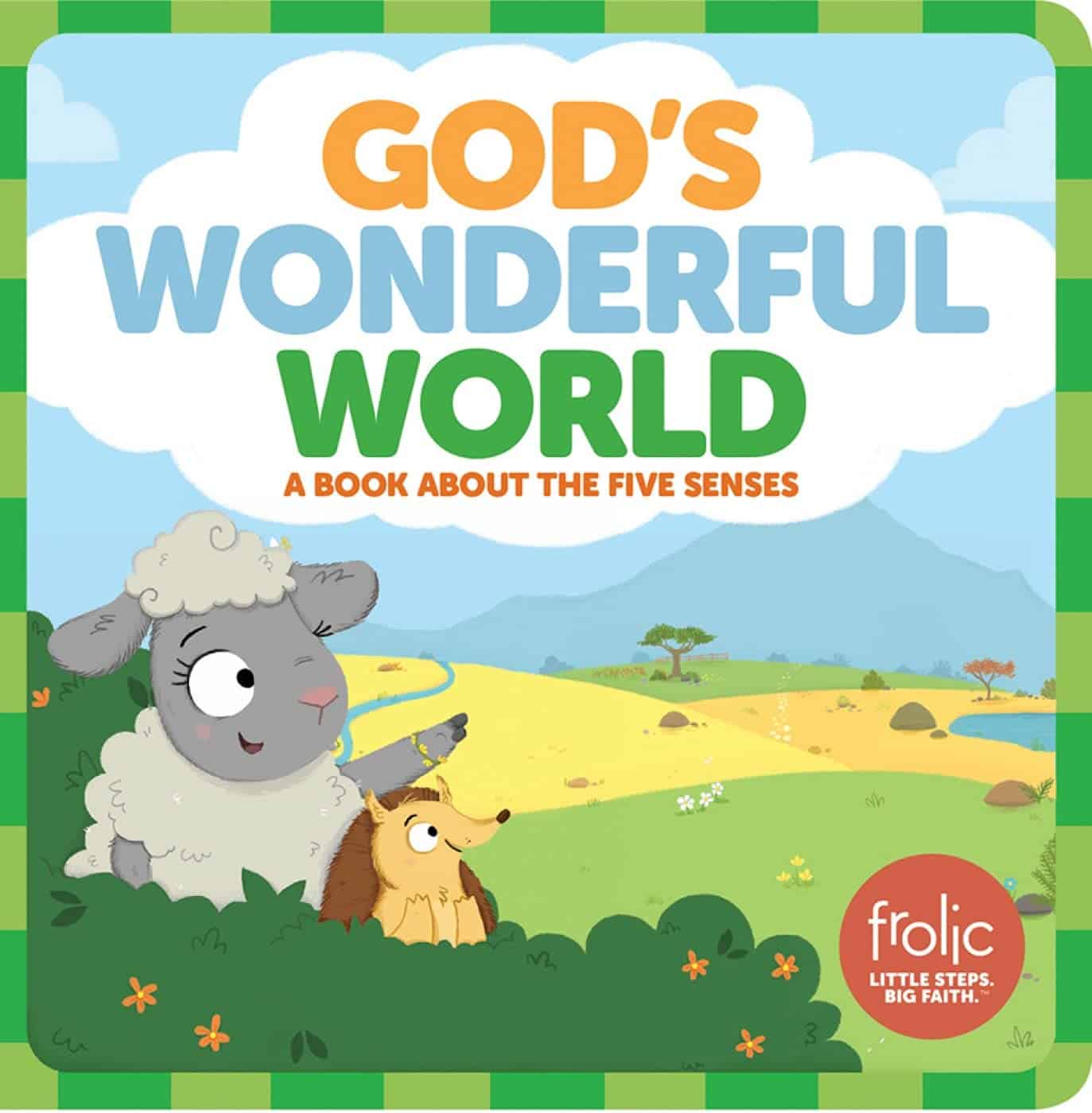
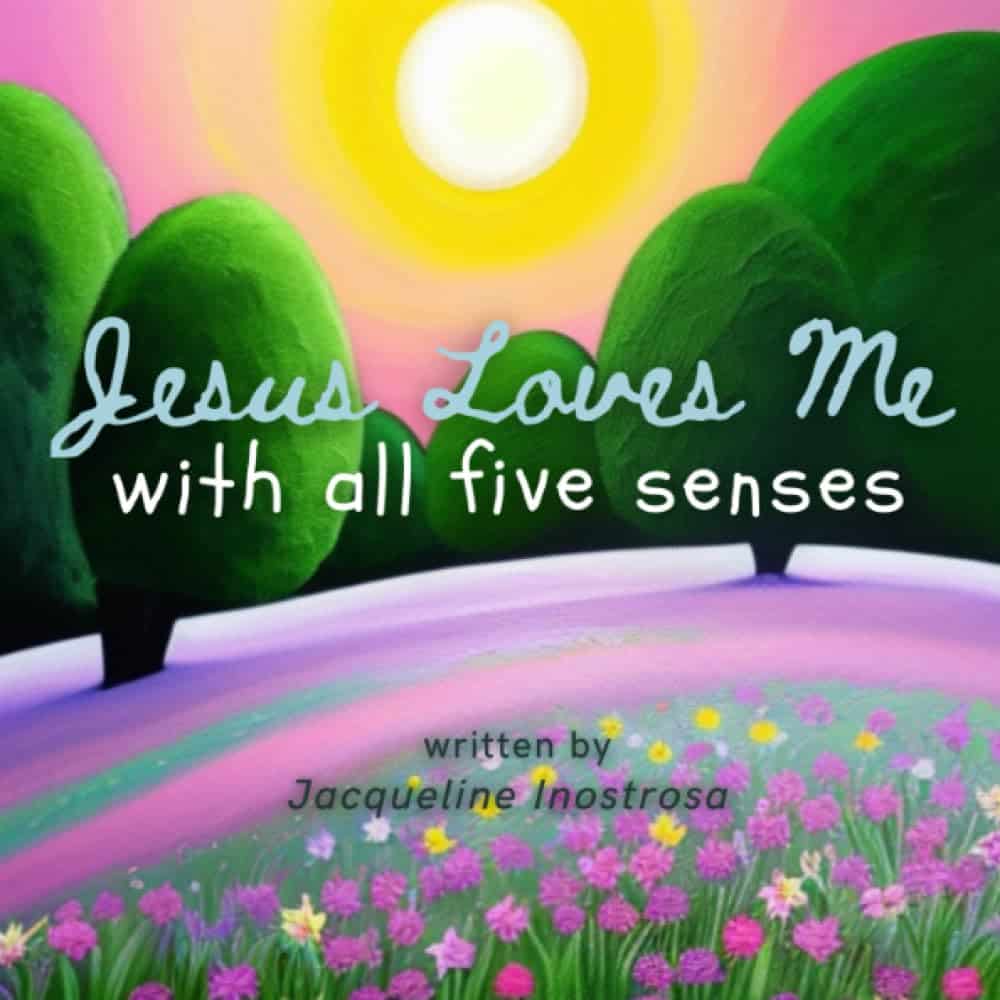
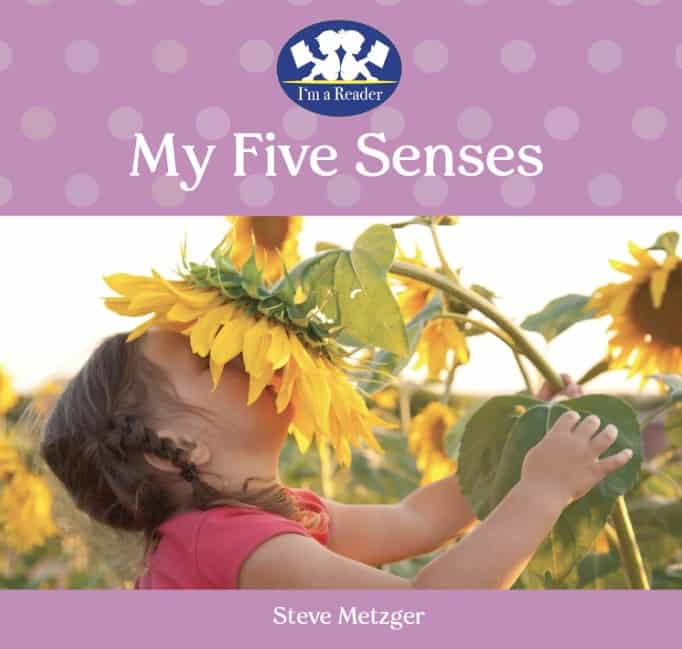
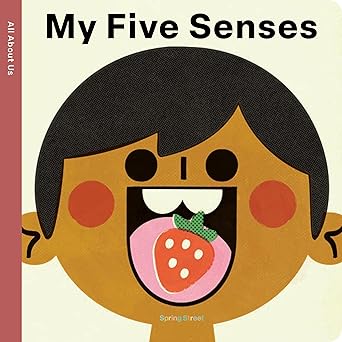
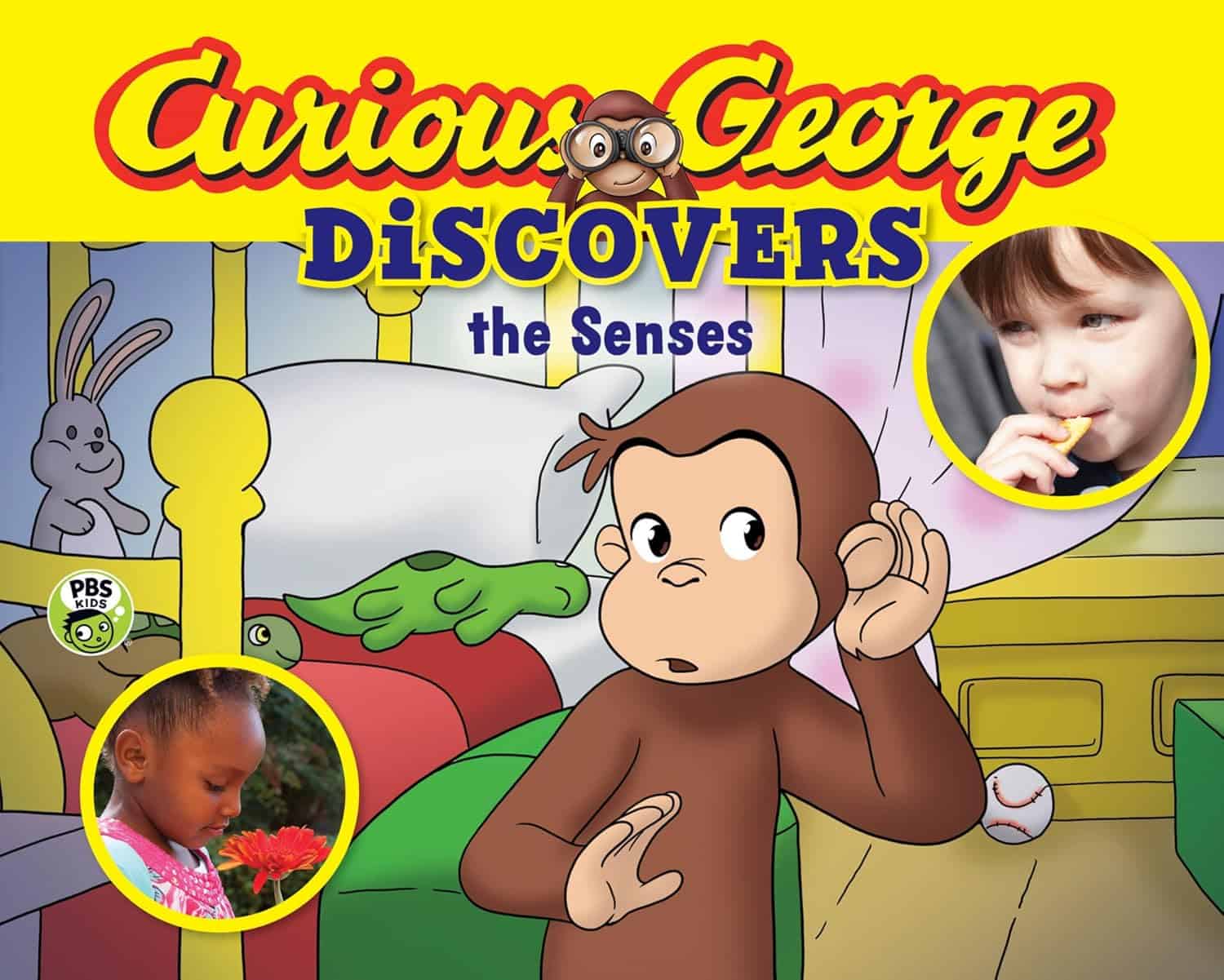
Teaching the five senses doesn’t have to be complicated. With a few good books and simple activities, you can create meaningful learning moments right at home.

Hi, I’m Monique Boutsiv! I’ve been homeschooling for 18 years and have four children ranging from toddler to adult. I create science activities, educational printables and homeschool resources for preschool through elementary-aged children.
Today, Living Life and Learning includes more than 2,500 printable activities and educational resources to help parents and teachers spend less time planning and more time learning.
Follow along for new printable activities