
Feelings Chart for Kindergarteners

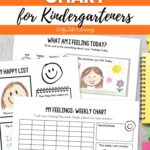
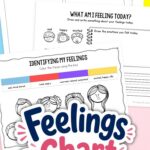
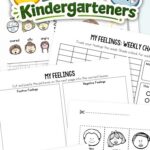
Learning how to name big emotions can make homeschool days feel a lot smoother. This Feelings Chart for Kindergarteners gives young learners a simple way to talk about what they feel, draw it out, and connect those moods to everyday moments.
When I was working through early learning activities with my older kids, I liked having printables that opened up real conversations without turning the lesson into a lecture. You can also check out my health worksheets for kids if you want more simple resources for your homeschool health plans.
This kindergarten activity keeps things easy with drawing, coloring, tracing, sorting, and weekly tracking. Keep reading to see what is inside the pack and how you can use it for a calm, meaningful health lesson at home.
Printable Overview
|
Resource Detail |
Information |
|
Recommended age |
Kindergarteners |
|
Subject |
Health and social-emotional learning |
|
Number of pages |
6 |
|
Skills practiced |
Emotion identification, drawing, writing, tracking, sorting, cutting, and pasting |
|
Topics covered |
Feelings and emotions |
|
Supplies |
Printer, paper, pencil or crayons, scissors, glue |
|
File type |
|
This post may contain affiliate links meaning I get commissions for purchases made through links in this post. Read my disclosure policy here.
Who Is This Feelings Chart For?
This printable is for kindergarteners who are learning to recognize and talk about different emotions.
You can use the pages during a health lesson, as part of a morning check-in, or when you want to give a child a quiet way to think about how they feel.
Why Should Kindergarteners Learn About Feelings?
Learning the names of emotions gives children useful words for describing what they’re experiencing.
The printable introduces feelings such as happy, sad, excited, scared, silly, angry, tired, bored, worried, relaxed, surprised, confused, hopeful, and brave.
Seeing these words alongside facial expressions can help children connect emotion vocabulary with what different feelings may look like.
Recommended Feelings Books
Picture books about emotions are a gentle way to help children see that every mood has a name, a reason, and a safe way to be expressed.
The Color Monster: A Story About EmotionsMy Magical Feelings –Teach Kids to Name and Tame Big Feelings and Emotions (The Magic of Me)In My Heart: A Book of Feelings (Growing Hearts)My Body Sends a Signal: Helping Kids Recognize Emotions and Express Feelings (Resilient Kids)Harper Handles Big Feelings: Lessons for Littles on Anger, Worry, Frustration, and Other EmotionsA Little SPOT of Emotion 8 Book Box Set (Books 1-8: Anger, Anxiety, Peaceful, Happiness, Sadness, Confidence, Love, & Scribble Emotion)



What Will Kids Learn?
These activities give kindergarteners practice with a few key skills:
- Emotion identification: Match emotion words with facial expressions.
- Self-expression: Draw and write about how they feel.
- Emotion tracking: Notice feelings over the course of a week.
- Sorting: Group feelings using the printable’s positive and negative categories.
- Fine motor skills: Practice coloring, cutting, and pasting.
Recommended Feelings Activity Kits
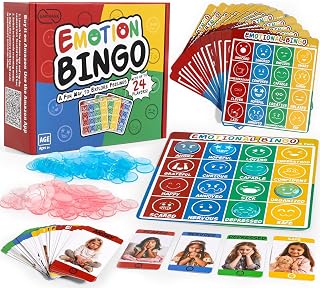
Hands-on emotion kits are great for adding role-play, matching games, and visual tools to your homeschool health lessons.
Kids’ Feelings & Emotions Learning Kit – Calm Down Corner Supplies with Social-Emotional Flipbook, Mood Chart | Toddler Autism/ADHD Tools for Preschool, Kindergarten & ClassroomFisher-Price Toddler Toys Big Little Feelings Calm Down Kit, 4-Piece Set of Activities & Parenting Tips for Social Emotional Development Kids Ages 2+ YearsLearning Resources All About Me Feelings Activity Set – Emotional Regulation Tools for Kids, Preschool Classroom Must Haves, Social Skills Activities, People Figurines, Toddler Emotions GiftsGarybank Emotion Bingo Games for Kids, w/ 56 Feelings & 48 Bingo Cards, Social Emotional Learning Activities for Kids, Speech Therapy Materials for Therapists, School Counselors Office Must Haveshand2mind Express Your Feelings Memory Match Game, Emotion Cards, Matching Game, Emotional Intelligence for Kids, Play Therapy Games for Kids, Social Emotional Learning Activities, Social Skills Gameshand2mind See My Feelings Mirror, Play Therapy Toys, Mindfulness for Kids, Emotional Regulation for Kids, Social Emotional Learning Activities, Calm Down Corner Supplies, Calming Corner (Set of 1)




What Supplies Are Needed?
You’ll only need a few basic supplies for these feelings worksheets.
- Printer (I have this one)
- Paper
- Pencil
- Crayons
- Scissors
- Glue stick
I have the HP printer 8710, but it’s no longer available. It’s been running well for years now. Consider another HP Instant Ink-ready printer so that you can use their program to send you ink cartridges whenever your printer gets low on ink.
Not every page needs all of the supplies, so you can use one activity at a time.
What’s included in the feelings worksheets?
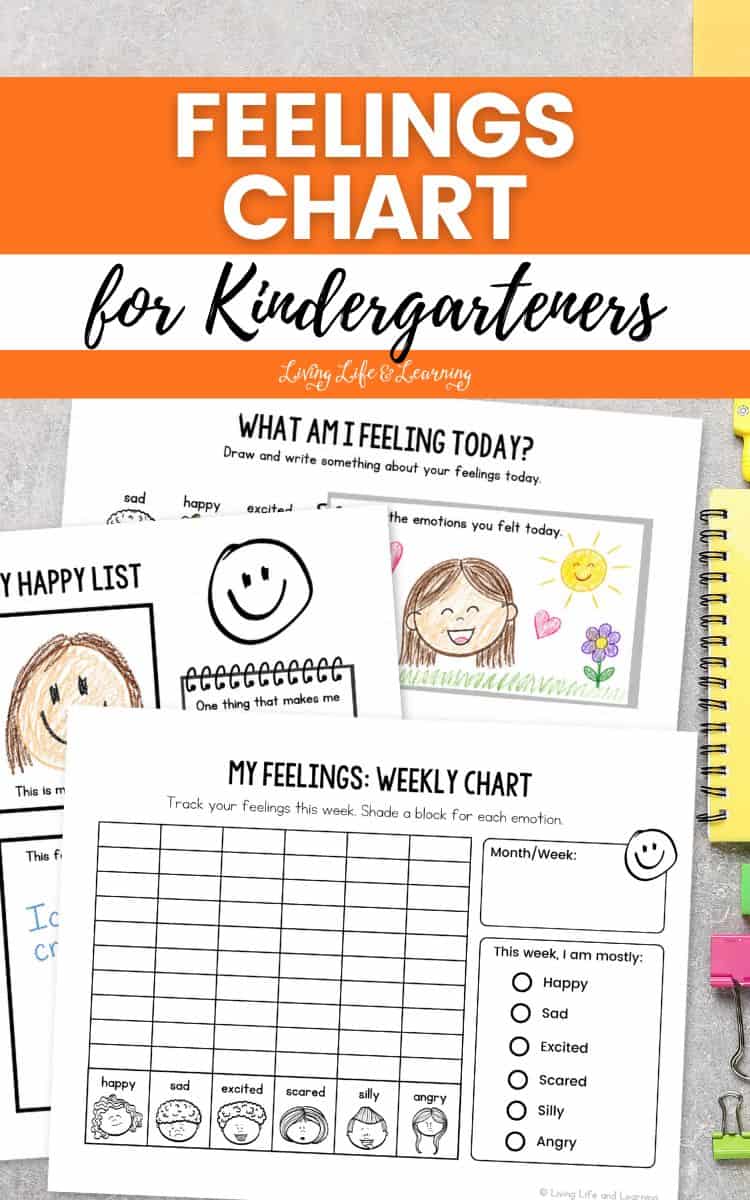
This printable includes 6 pages with drawing, tracing, coloring, tracking, and sorting activities. Each page gives your kindergartener a different way to identify emotions and connect them with real-life experiences.
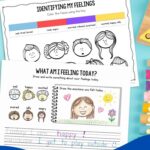
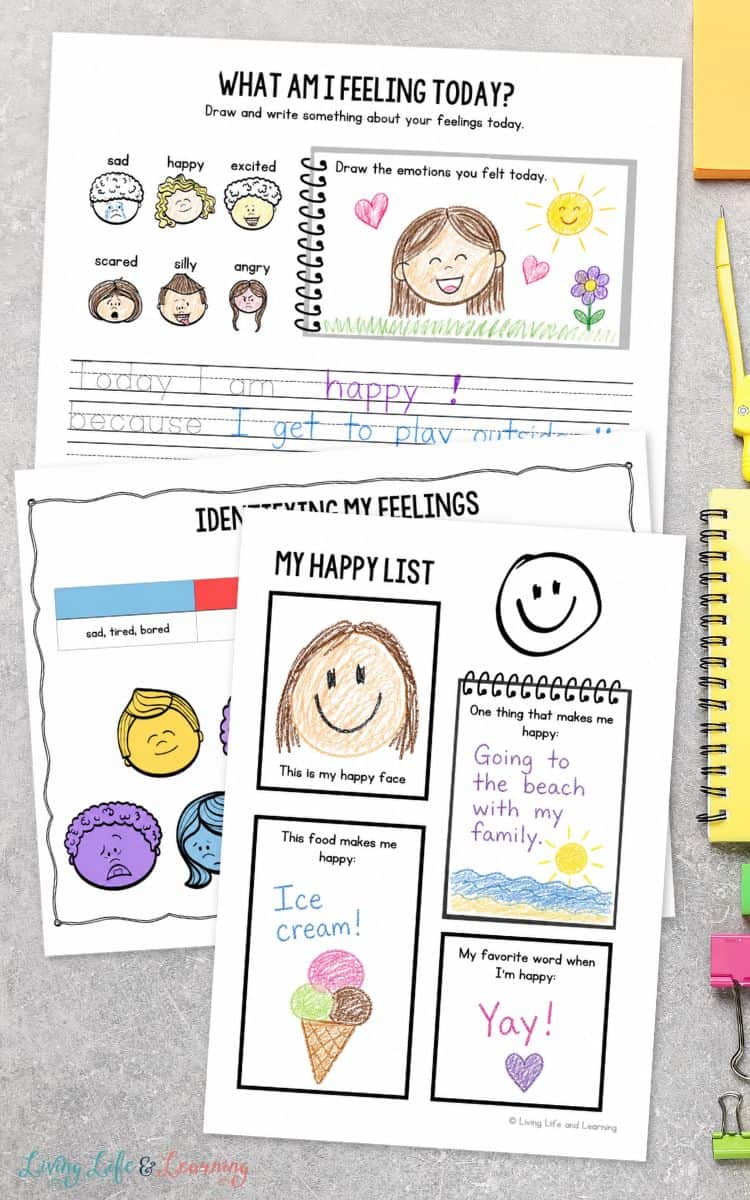
What Am I Feeling Today?
This page has your child look at faces for sad, happy, excited, scared, silly, and angry. They can draw the emotion they felt that day and finish the sentence, “Today I am because.”
I used pages like this with my kids because they encouraged meaningful conversations about their day.
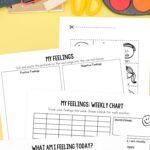
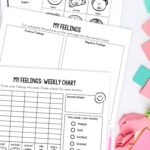
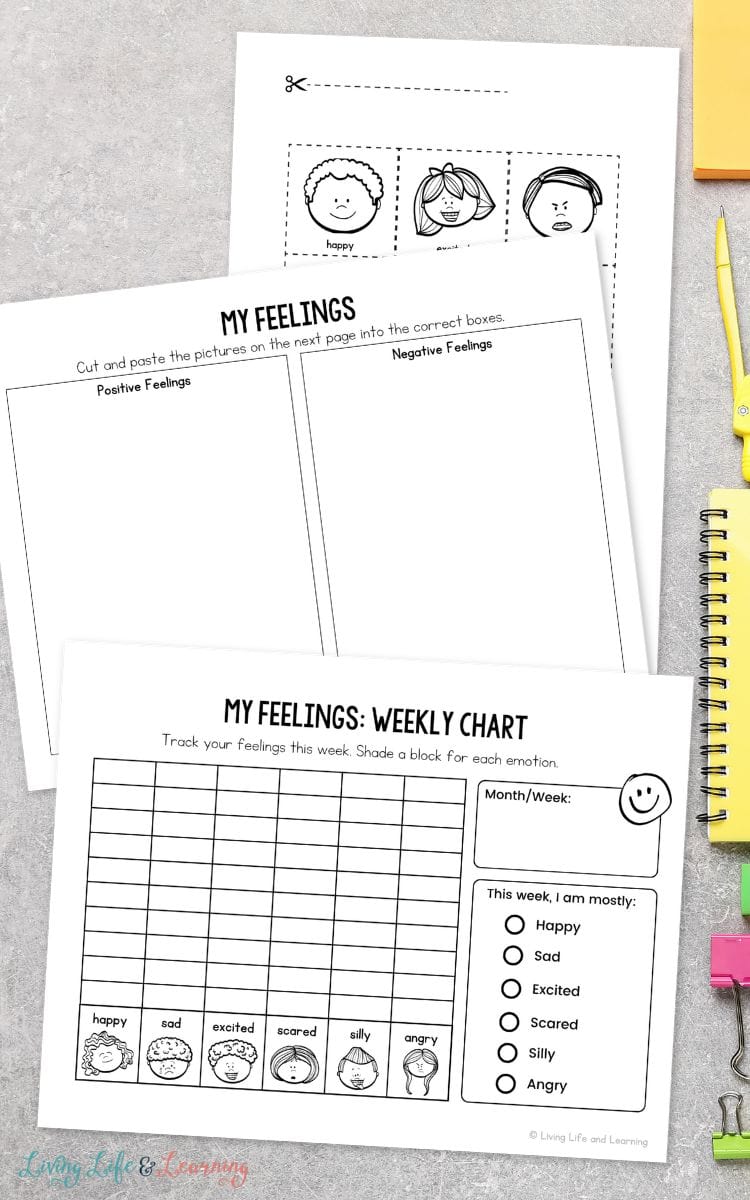
My Feelings Weekly Chart
This weekly chart lets your child shade a block for each emotion throughout the week. They can easily see which feelings appeared most often.
It also introduces simple graphing and observation skills.
Identifying My Feelings
This coloring page asks your child to use a key to match emotions with different face pictures. It includes feelings such as sad, worried, excited, happy, and silly.
Coloring helps children focus on facial expressions and emotion recognition.
My Happy List
This page encourages your child to think about things that make them happy. They will draw, write, and share positive favorites.
Activities like this often lead to fun and memorable conversations.
My Feelings Sort
This cut-and-paste activity has children sort emotion cards into positive and negative categories. It combines emotional learning with fine motor practice.
It also opens the door to discussions about how all feelings are normal.
Emotion Picture Cards
The final page includes emotion cards such as sad, happy, excited, angry, hopeful, and brave. These cards are used with the sorting activity.
You can also reuse them for matching games, charades, or daily emotion check-ins.
How Can You Extend the Activity?
Keep the follow-up activities simple and conversational.
- Make a daily check-in board: Use this Feelings Chart for Kids to let your child point to how they feel each morning. A quick check-in can help you adjust the day before things get overwhelming.
- Try a story-based emotion lesson: Pair this printable with the Color Monster Feelings Chart for a colorful way to talk about mixed emotions. This works well after reading a book about moods.
- Act out emotion faces: Say an emotion word and have your child show it with their face and body. Then switch roles so they can guess what you are pretending to feel.
- Create a calm-down basket: Add sensory toys, a soft item, drawing paper, and emotion cards. When your child feels upset, the basket can give them a simple place to reset.
Keep the Learning Going
Keep building on your child’s health lessons with more printables that practice early math, handwriting, counting, letter recognition, tracing, and fine motor skills while exploring familiar health and self-care topics.


More Health Activities for Kids to Try
Health lessons can cover emotions, hygiene, nutrition, safety, body systems, and healthy habits in a way that feels natural at home. Add more hands-on resources to your homeschool plans so your child can learn these topics through printables, books, and easy activities.
- Yoga Poses Printables for Kids
- Healthy Eating Worksheets
- Growth Mindset Brain Coloring Page
- Crayon Emotions Do A Dot Printables by Crystal and Comp.
- Free Emotions Worksheet by Homeschool of 1
Talking about emotions does not have to feel awkward or overly serious. This printable gives you an easy way to help your kindergartener name their moods, practice early writing, and build confidence when sharing what is going on inside.
Download the feelings chart below


Hi, I’m Monique Boutsiv! I’ve been homeschooling for 18 years and have four children ranging from toddler to adult. I create science activities, educational printables and homeschool resources for preschool through elementary-aged children.
Today, Living Life and Learning includes more than 2,500 printable activities and educational resources to help parents and teachers spend less time planning and more time learning.
Follow along for new printable activities