
Build a Skeleton Printable

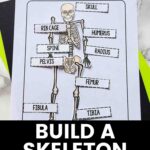
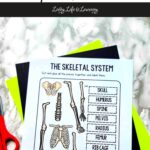
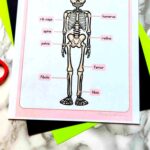
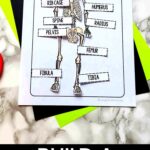
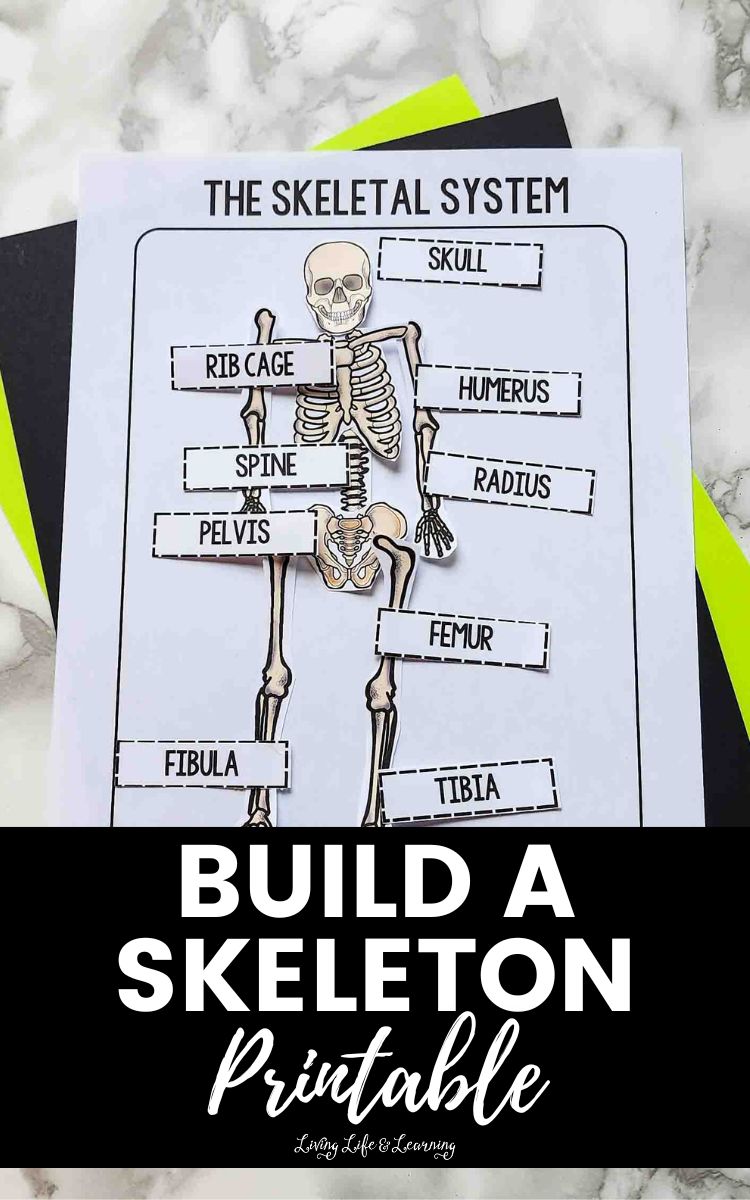
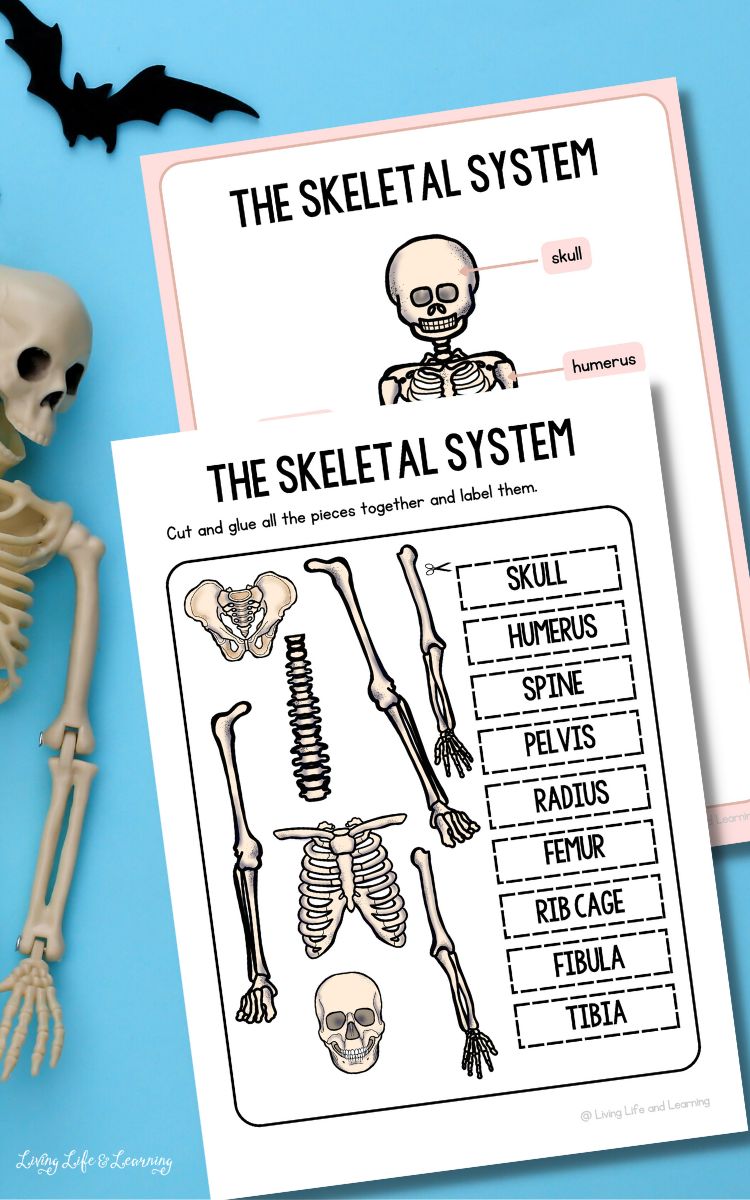
Looking for a hands-on way to introduce the skeletal system? This Build a Skeleton Printable lets kids see where major bones are located, then put their knowledge to work by assembling and labeling a skeleton.
If you’re putting together a larger human body unit, you’ll find more learning ideas in these human body worksheets for kids.
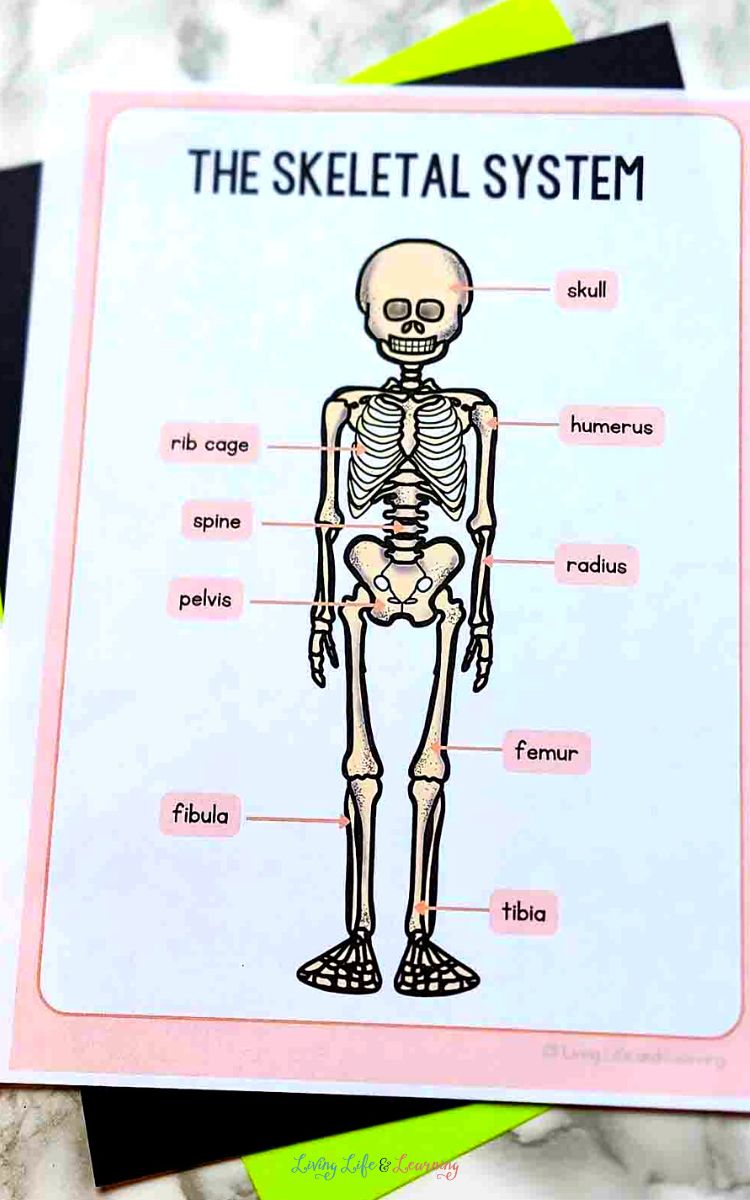
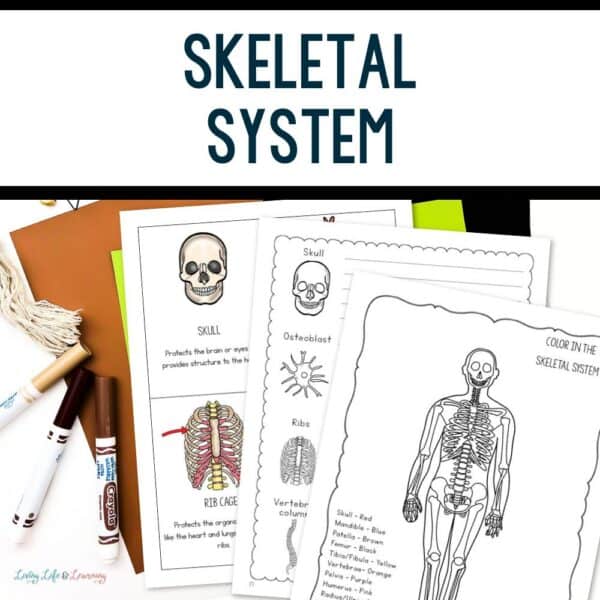
This 3-page printable includes a labeled skeleton reference page and a cut-and-glue skeleton activity with labels. Kids work with nine skeletal system terms: skull, rib cage, humerus, radius, spine, pelvis, femur, fibula, and tibia.
Printable Overview
|
Resource Detail |
Information |
|
Recommended age |
6-9 |
|
Subject |
Science, Human Body |
|
Number of pages |
3 pages |
|
Skills practiced |
Identifying and labeling skeletal structures, cutting, matching, assembling |
|
Topics covered |
Skeletal system, major bones |
|
Supplies |
Printer, paper, scissors, glue |
|
File type |
|
This post may contain affiliate links meaning I get commissions for purchases made through links in this post. Read my disclosure policy here.
Who Is This Skeleton Printable For?
This printable works for children who are learning the basic parts of the human skeleton and are ready to cut, assemble, and match labels.
You can use it during a human body science unit, as a follow-up to a skeletal system lesson, or as a hands-on review activity.
Because the activity involves cutting several pieces and placing labels, younger children may need help with the assembly.
Why Kids Should Learn About the Skeletal System
Learning about the skeletal system helps children understand the structure inside their own bodies.
Kids can begin by learning the names and locations of major bones and skeletal structures. From there, they can make connections between the skeleton and familiar parts of their bodies, such as their skull, spine, ribs, arms, and legs.
I learned early in our homeschool that science connected better with my kids when I moved away from relying only on a textbook. Hands-on activities give kids something they can see and work with while they’re learning a new science topic. My boys would love these type of activities.
Recommended Skeleton Books
Pair your skeletal system lesson with one or two books that let kids explore bones in more detail.
The Skeleton Book: Get to Know Your Bones, Inside OutSkeleton HiccupsBones: Skeletons and How They WorkGive Me Back My Bones!Halloween HustleMy Amazing Bones and Skeleton: A Book About Body Parts & Growing Strong For Kids
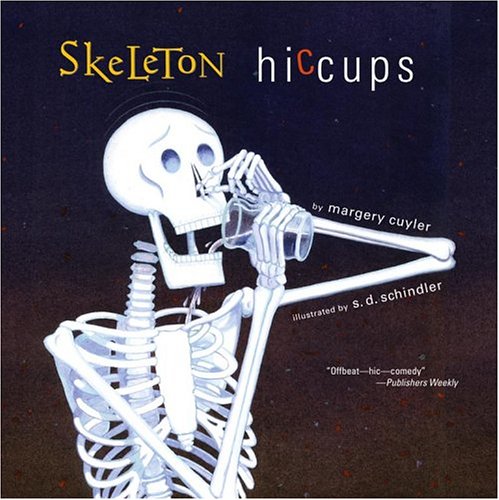

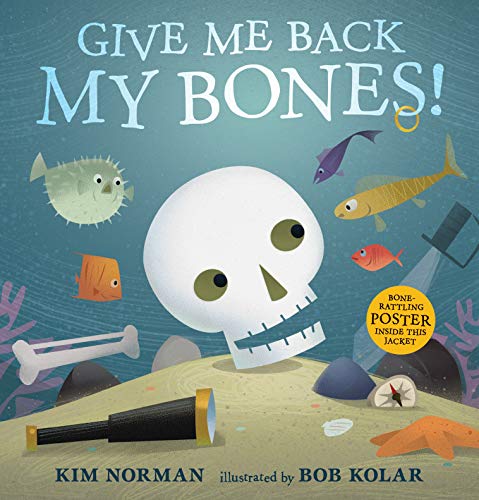
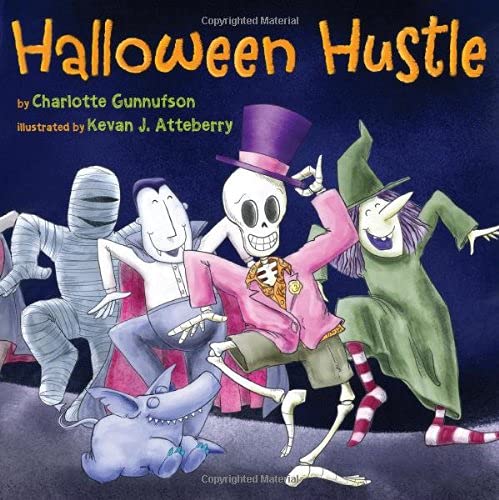
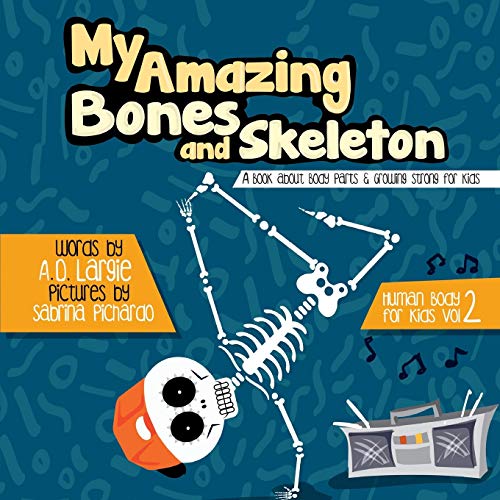
What Parts of the Skeleton Will Kids Learn?
Kids will work with nine skeletal system terms in this printable. The labeled reference page shows each structure on a full skeleton, while the activity page provides matching labels.
- Skull: The bony structure of the head that surrounds and protects the brain.
- Humerus: The long bone of the upper arm.
- Rib cage: The group of bones in the chest that helps protect organs such as the heart and lungs.
- Spine: The column of vertebrae running down the back.
- Radius: One of the two bones in the forearm.
- Pelvis: The bony structure between the spine and legs.
- Femur: The long bone of the thigh.
- Fibula: The smaller of the two long bones in the lower leg.
- Tibia: The larger of the two long bones in the lower leg.
Human Body Printables for More Learning Fun
If you’re planning a full human body unit, I like having a mix of printable packs ready to go so lessons stay fresh and engaging. Using both simple pages and more detailed worksheets helped me teach multiple ages simultaneously without feeling overwhelmed.

What can kids learn with this Build a Skeleton Printable?
The printable gives kids a visual and hands-on way to practice skeletal system vocabulary rather than only memorizing a list of bone names.
Science skills: Kids identify nine major bones or skeletal structures and learn where they’re located on the body.
Vocabulary skills: They work with words such as humerus, radius, femur, fibula, and tibia and connect each term with a visual representation.
Fine motor skills: Cutting out the skeleton pieces and labels and gluing them into place requires careful hand movements.
Thinking skills: Kids compare the separate skeletal pieces with the completed reference skeleton to determine how the pieces fit together.
What Supplies Are Needed?
- Printer (I have this one)
- Paper
- Scissors
- Glue
I have the HP printer 8710, but it’s not available anymore. It’s still running well after years. Look for another HP Instant Ink-ready printer so that you can use their program to send you ink cartridges whenever your printer gets low on ink.
What’s Included in the Human Skeleton Worksheet?
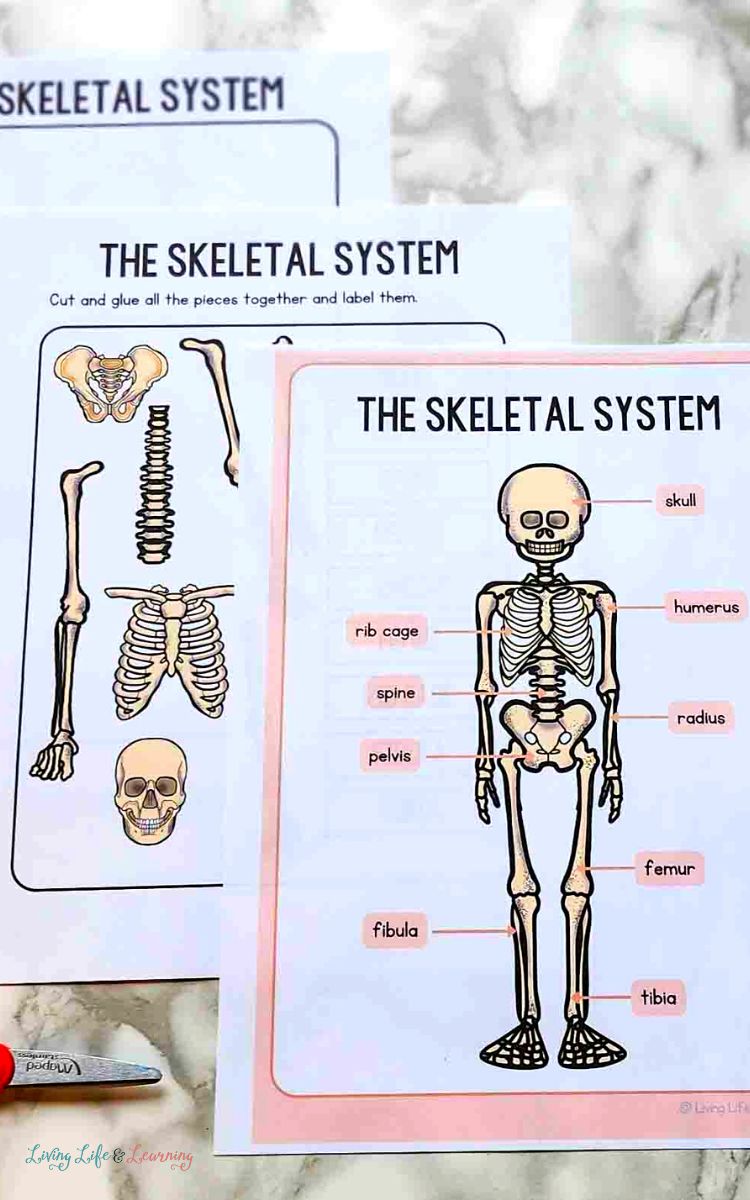
The Build a Skeleton Printable contains three pages. The first two pages contain the learning and assembly activities, while the third page contains the Living Life and Learning branding.
Skeleton Labeling Page
The first page shows a full skeleton with arrows identifying the skull, rib cage, humerus, radius, spine, pelvis, femur, fibula, and tibia.
Kids can study this page before beginning the activity or keep it nearby as a reference while assembling their skeleton.
Cut, Glue, and Label the Skeleton
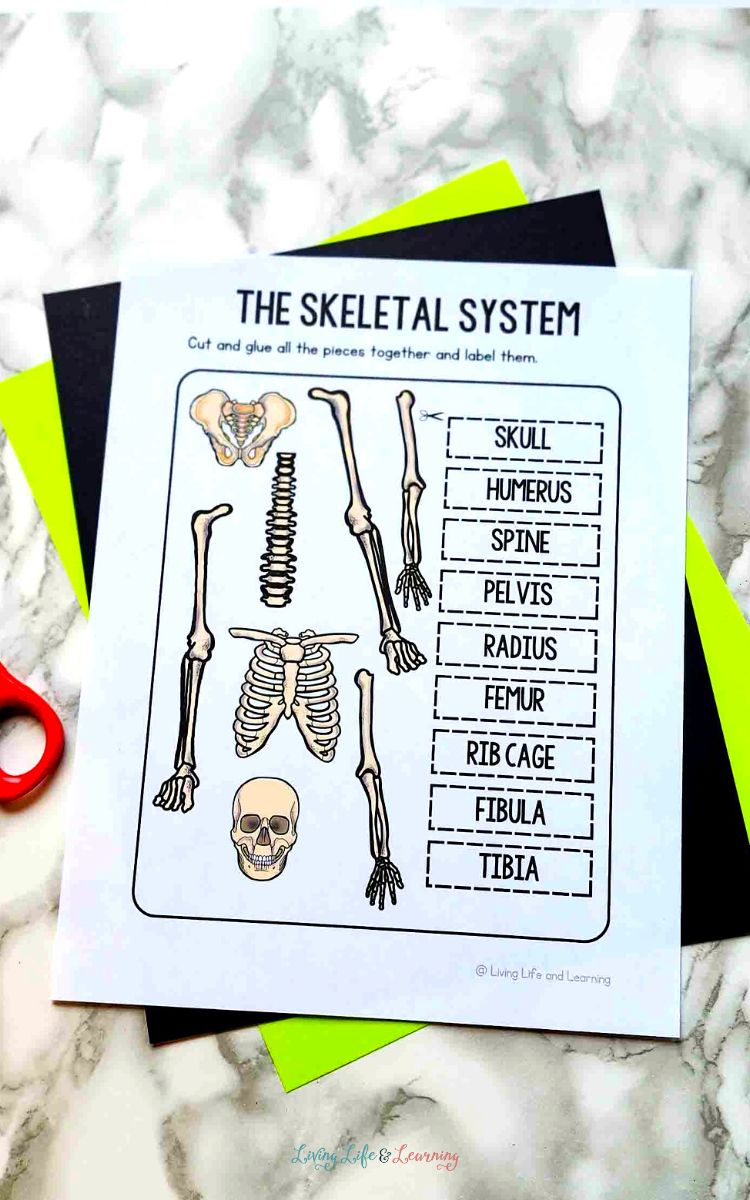
The second page asks kids to cut and glue the pieces together and label them. It includes separate skeletal pieces along with nine cut-apart labels.
Kids can compare the pieces with the reference page to determine where they belong, assemble the skeleton, and then add the correct labels.
How Can You Extend the Skeleton Activity?
Once your child has assembled the skeleton, keep going with a few simple activities that help them use their new vocabulary.
- Point to the bones on your body. Call out one of the terms from the printable and have your child point to the approximate location on their own body.
- Play a bone-label matching game. Before gluing down the labels, mix them up and have your child match each word to the correct skeleton piece.
- Make a larger skeleton. Use the printable as a reference while drawing or assembling a larger skeleton on paper.
- Add a human body craft. Try one of these human body arts and crafts to continue exploring anatomy with a hands-on project.
- Try an X-ray activity. Use the X-ray Coloring Pages or make this Skeleton Bones Craft for another look at bones.
More Skeleton Activities
- X-ray Handprint Craft
- Skeleton Activities for Kindergarten
- Skeleton Activities for Elementary Students
- Learn the Skeletal System Unit Study by 3 Boys and a Dog
- Free Printable Skeleton Worksheets by Simple Everyday Mom
Go ahead and learn bone names with skeleton worksheets. Print out this printable to learn about the important bones in our body. Your child will love putting it together to get a full skeleton and seeing how their body is formed.
FAQs
Learning bone names is much easier to picture when kids can see how the pieces fit together. Use the labeled page to introduce the skeletal system, then let your child cut, assemble, and label the skeleton to put that new vocabulary into practice.
Download the Build a Skeleton Printable below


Hi, I’m Monique Boutsiv! I’ve been homeschooling for 18 years and have four children ranging from toddler to adult. I create science activities, educational printables and homeschool resources for preschool through elementary-aged children.
Today, Living Life and Learning includes more than 2,500 printable activities and educational resources to help parents and teachers spend less time planning and more time learning.
Follow along for new printable activities