
Science Lesson Planner
Planning science used to feel overwhelming for me, especially when my older kids were all at different levels. That is exactly why I created this Science Lesson Planner, a simple system that keeps everything organized in one place.
If you already love my homeschool planning pages, you can find my full collection of homeschool planner printables here. I have relied on those layouts for years to keep our days running smoothly.
In this post, I will walk you through how I plan our science units, what is included inside this printable pack, and how you can use it to map out experiments, readings, and field trips without second-guessing yourself.
How to plan a science lesson?
When I plan science, I keep it simple and focused. I think about the goal, gather what we need, and then schedule activities that make sense for our week.
- Choose a clear objective: Decide what you want your child to understand by the end of the unit. It could be learning the scientific method, understanding habitats, or exploring chemical reactions.
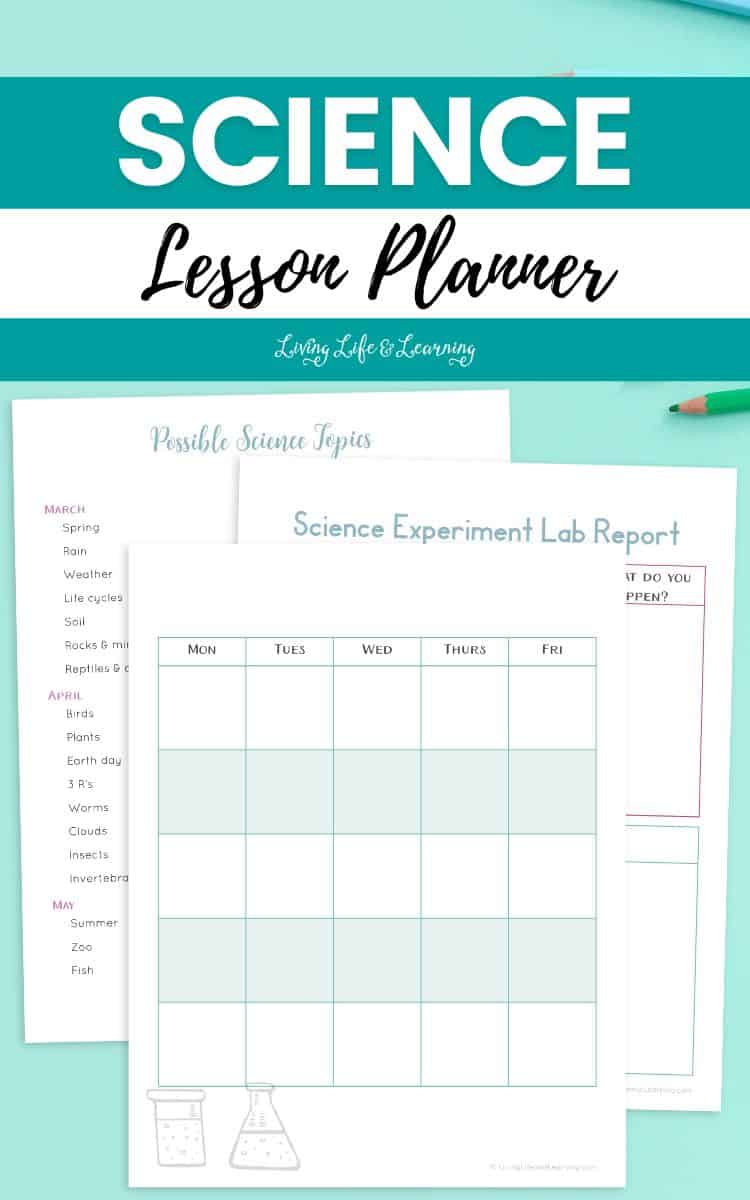
- List key topics: Break the subject into manageable parts. On the Possible Science Topics pages shown in the printable, you will find ideas organized by month to help you brainstorm quickly.
- Gather supplies ahead of time: Use the Science Supplies List page to check your materials so you are not scrambling five minutes before an activity.
- Schedule readings and experiments: Spread books, videos, and hands-on projects across the week using the daily and weekly planning sheets.
You know that your child is going to hate those giant science textbooks, so you want to do something fun.
With my science planner, I believe you can confidently teach science in your homeschool without the overwhelm, in a way your kids will love, even without a science degree.
Teaching science doesn’t have to be stressful.
My favorite science experiment books for kids
Over the years, I have collected a variety of experiment books that offer simple instructions, clear photos, and age-appropriate explanations for elementary and middle school students.
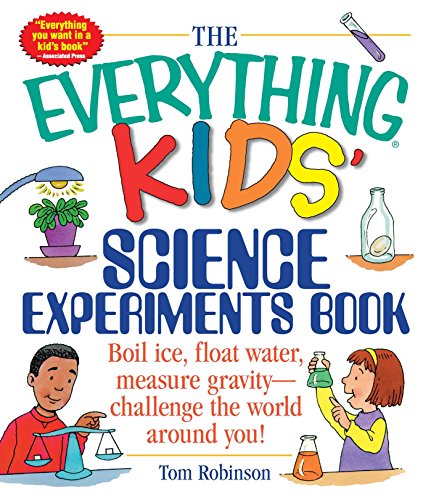
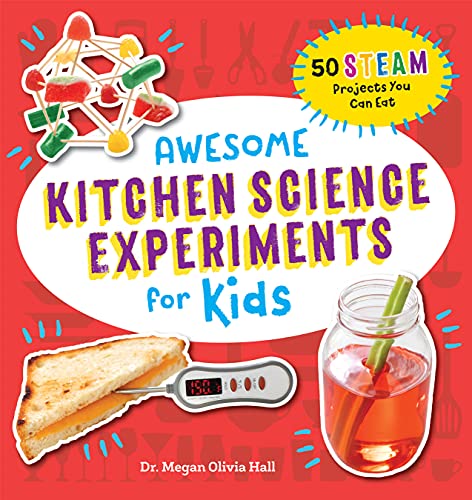
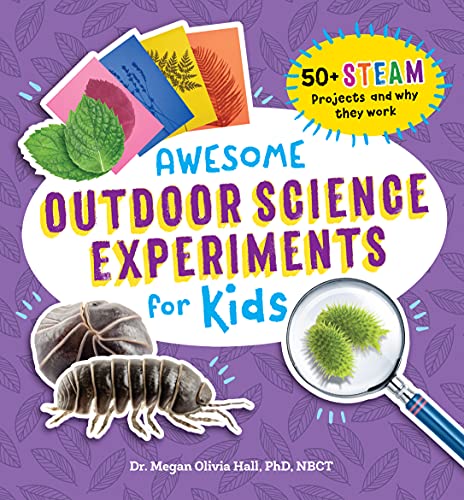
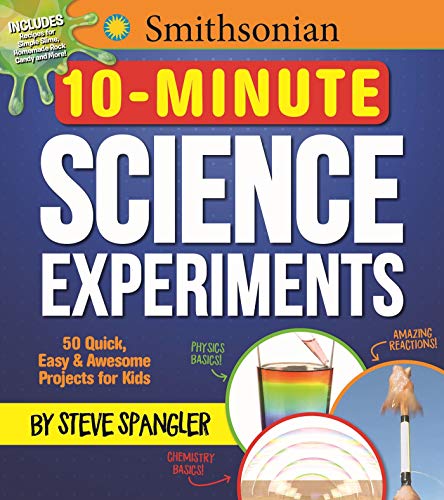
Awesome Science Experiments for Kids: 100+ Fun STEM / STEAM Projects and Why They Work (Awesome STEAM Activities for Kids)The Everything Kids’ Science Experiments Book: Boil Ice, Float Water, Measure Gravity-Challenge the World Around You!Awesome Kitchen Science Experiments for Kids: 50 STEAM Projects You Can Eat! (Awesome STEAM Activities for Kids)Awesome Outdoor Science Experiments for Kids: 50+ STEAM Projects and Why They Work (Awesome STEAM Activities for Kids)Steve Spangler’s Super-Cool Science Experiments for Kids: 50 mind-blowing STEM projects you can do at homeSmithsonian 10-Minute Science Experiments: 50+ quick, easy and awesome projects for kids


Benefits of using this printable science planner
We don’t do science every day. Imagine the mess we’d have. Instead, we do it 2 or 3 days a week and leave all messy projects for one day, so I can worry about the cleanup for just one day.
If you are not yet sure if you need my science planner, let me tell you that this is more than a set of planning pages. It gives you clarity, structure, and confidence so you can lead science time without feeling scattered. Here are some benefits:
- Clear direction for your lessons: With spaces for objectives, topics, and materials, you can see the full picture of your unit before you even begin.
- Better organization for busy homeschool moms: Keeping books, activities, supplies, and notes in one place saves time and reduces last minute stress.
- Consistent structure for your kids: Using the same layouts for planning and lab reports helps your children know what to expect and take their work more seriously.
More Homeschool Science Tips and Tricks
If you are looking for more practical help with teaching science at home, I have written several posts that walk you through scheduling, teaching multiple ages, and simplifying experiments.
- Create a simple and effective homeschool science schedule – Learn how I mapped out science across the week without overloading our days. When my older boys were younger, having a consistent rhythm made it easier to stay on track.
- Teaching homeschool science to multiple ages made simple: Teaching different grade levels at the same time felt intimidating at first. I explain how I chose one main topic and adjusted expectations so everyone could learn together.
- How to teach homeschool science without special equipment: You do not need a full lab to teach meaningful lessons. I share practical ideas for using everyday household items to explore scientific concepts.
- Keep science organized with a planning system: Pair these tips with the Science Lesson Planner so you have a clear place to write objectives, materials, and lab notes. Having everything written down reduced my stress and helped me stay consistent.
Recommended science experiment ebook printable packs
If you want ready-to-use experiment guides to pair with your planner, I also created printable science experiment ebook packs that walk your child through simple, hands-on activities step by step.
They include clear instructions, supply lists, and structured pages that work perfectly alongside your planning sheets.


If you want to save money, grab this bundle for these two amazing ebooks. Simple setup, clear instructions, and guaranteed eye-catching results.
What’s included in the printable science planner?
Possible Science Topics
This section, spread across two pages, lists themed ideas by month from September through August. I loved having seasonal prompts when my daughter was younger because it made unit planning feel natural and timely.
Science Supplies List
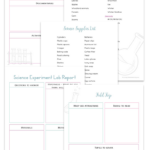
This page gives you a comprehensive checklist of common experiment materials such as baking soda, food coloring, microscopes, measuring tools, and more. I used a similar list when my boys were in elementary school, so I could stock up at once instead of making constant trips to the store.
Unit Study Planner
The Unit Study Planner page includes spaces for your objective, topics to cover, and supplies. It keeps your main goals front and center so you do not lose track of what matters most.
Books, Documentaries, and Activities/Experiments
This layout helps you organize learning resources in one place. I often planned our library trips around this page, especially when my oldest was working through more advanced material.
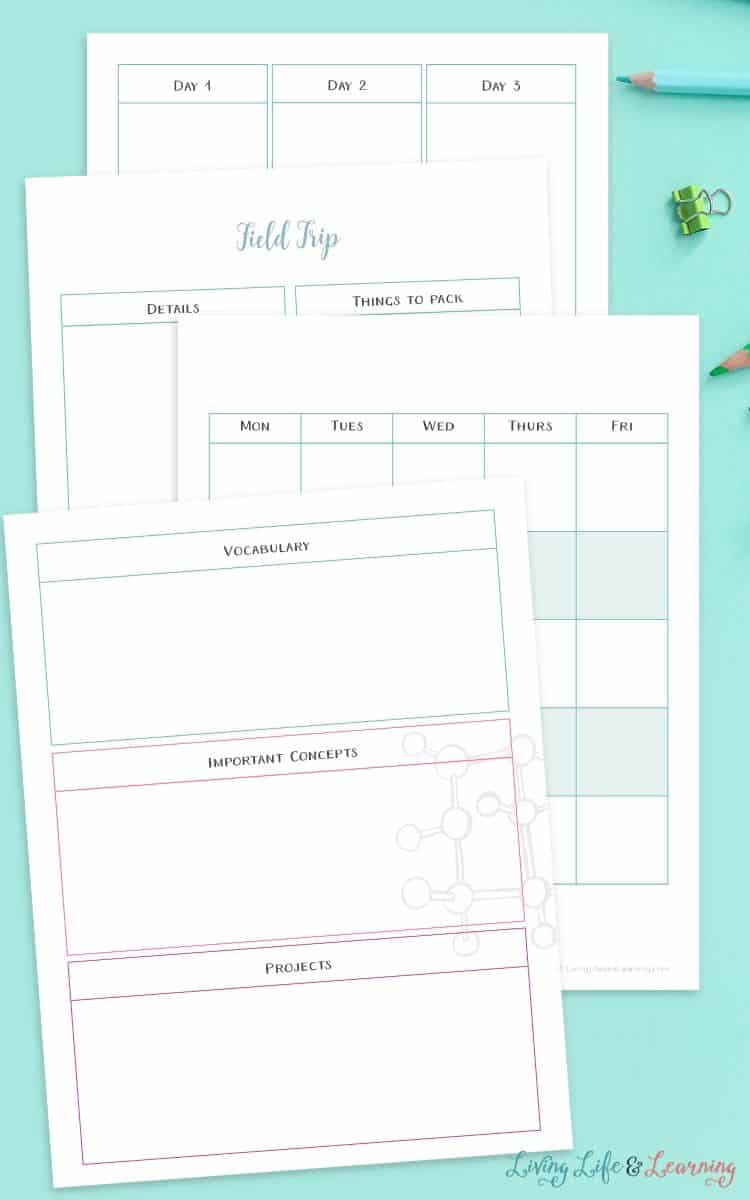
Vocabulary, Important Concepts, and Projects
Here you can outline key terms, big ideas, and hands-on builds. When my son was studying biology, writing vocabulary ahead of time helped him feel more confident before we began.
Field Trip Planning Pages
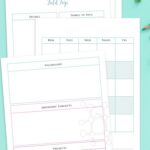
There are dedicated pages for must-see attractions, books to read, topics to cover, details, packing lists, and notes. I used pages like these when we visited science centers, so I could tie the trip back to our current unit.
Weekly Planning Pages
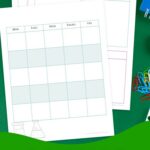
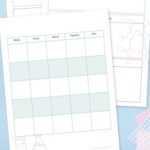
You will find Monday through Friday grids that allow you to map out experiments and readings across the week. This made it easier for me to balance science with math and language arts.
Multi-Day Lesson Planners
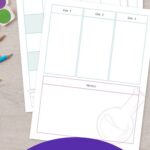
There are two-day and three-day planning options, along with space for notes. These were helpful when we stretched one experiment over several sessions.
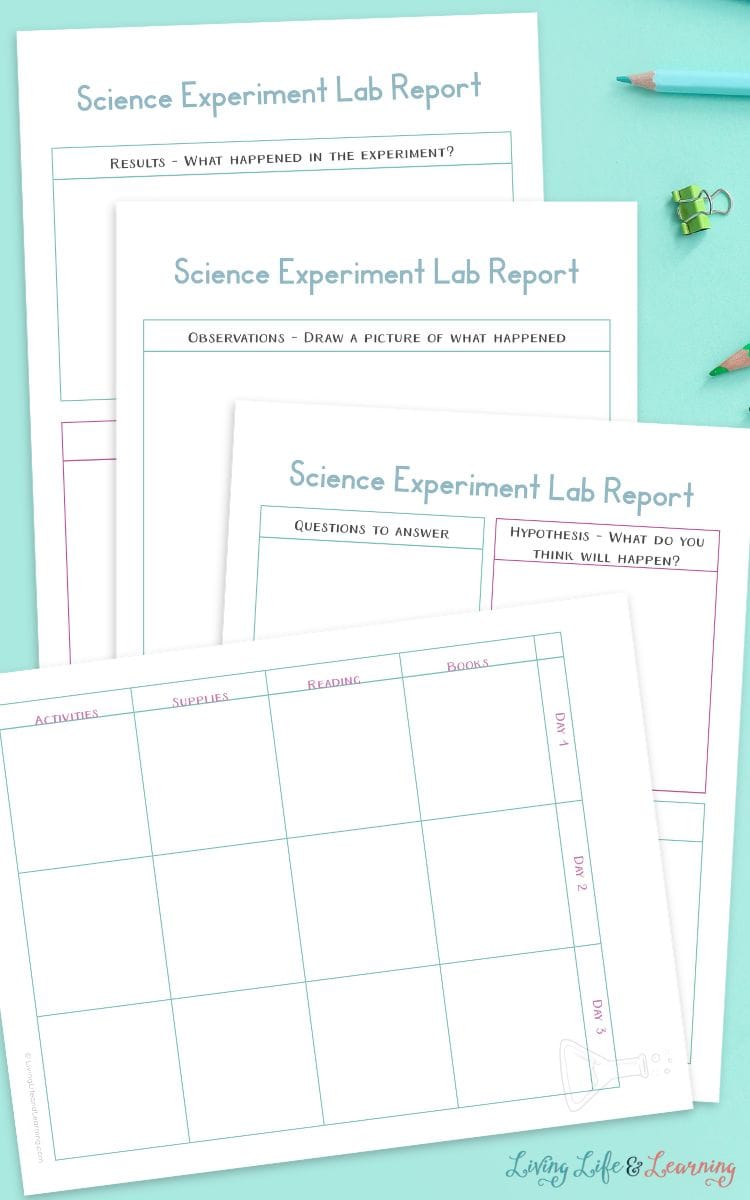
Daily Books, Activities, Supplies, and Reading Layouts
These pages break each day into categories so you can see everything at a glance. I appreciated this format when juggling different grade levels.
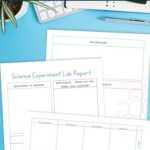
Science Experiment Lab Report
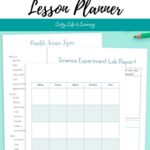
The lab report section walks students through questions, hypotheses, materials, methods, observations, results, and conclusions. Having a structured report page encouraged my teens to take their ex.
Get organized and make science fun this school year.
Planning science does not have to feel chaotic. With the science planner, you can map out your units, track experiments, and keep everything organized so you feel confident guiding your kids through meaningful science lessons.
When you become a member of the Living Life and Learning community, you’ll learn how to confidently teach science in a fun and engaging way without all of the stress.
Download the science lesson planner below
