
Paper Plate Animal Cell

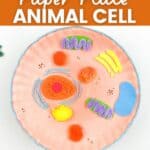
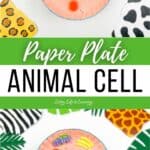
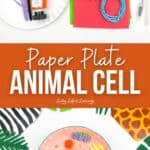

Are you looking for an easy and fun way to teach your children about animal cells? Look no further than this paper plate animal cell craft.
If you like this activity, check out more activities that focus on biology in my list of Human Body Activities for Kids.
Not only is it fun, but it’s also educational. Before your kids start cutting and pasting, brush up on what an animal cell is and its functions. Keep reading to learn more about what you need to know about an animal cell and the instructions on how to make this animal cell craft.

This post may contain affiliate links meaning I get commissions for purchases made through links in this post. Read my disclosure policy here.
What is an Animal Cell?
Animal cells are the basic building blocks of all creatures. Each cell performs vital functions that keep an organism healthy and functioning.
Animal cells produce energy, maintain homeostasis, act as structural supports for tissues, and help transport molecules throughout the body.
It has a nucleus, which contains genetic material (DNA), mitochondria, which produce energy, and other organelles, like the endoplasmic reticulum and Golgi apparatus, which are responsible for making proteins. The membrane surrounding the cell regulates what enters and exits the cell.
Their functions include transporting nutrients into the cell, using energy from food molecules to make ATP (energy) molecules, making proteins from amino acids, removing wastes from inside the cells, and reproducing themselves through mitosis.
In addition to these basic functions, some cells may be specialized for specific tasks, such as producing hormones or storing fat.
Isn’t it amazing all it can do in this tiny cell?
Recommended Animal Cell Books
It would be a great help if you had resources you could depend on during your lessons. So if you are preparing for your science lessons, grab these amazing biology books! Studying animal cells will be fun, easy, and exciting with these!
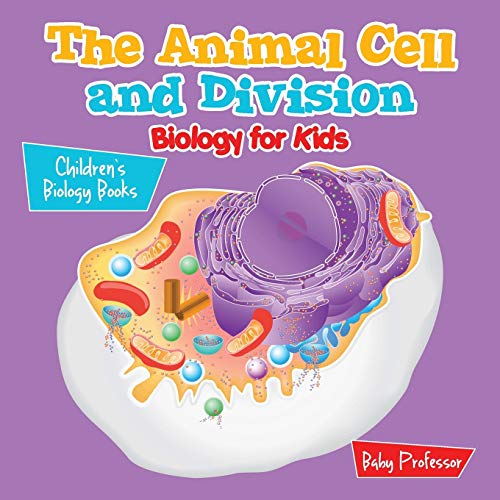
Think-A-Lot-Tots: The Animal Cell: Science Books for Babies, Toddlers, and KidsThe Animal Cell and Division Biology for Kids Children’s Biology BooksBiology for Curious Kids: Discover the Wondrous Living World! (Curious Kids, 1)Christina Examines Plant Cells and Animal Cells (Science Alliance)Cells For Kids (Science Book For Children)Plant Cells vs Animal Cells


Why is it important to learn about animal cells?
I love this activity because it’s hands-on learning! Kids love animals, so taking the time to learn more about them and how they’re made is great.
When you combine a learning subject with a hands-on activity, it takes it to a whole new level. This is because the kids are actively involved in making the project, which means they’re also listening.
We talk about animals all the time in our house, so being able to learn more about the cells and processes is a great way to give them more information.
And we’ve done this activity a ton of times, and the kids still love doing it! It’s one of those activities that can easily be added to a day or learning activity since it doesn’t take a ton of time or effort to do or set up.
Recommended Human Body Printable Packs
If you’re ready to explore more science topics after this project, I recommend checking out my human body printable packs. These fun, hands-on resources make learning anatomy and body systems interactive and simple for young learners.


Skills Kids Can Learn from This Craft
Animal cell projects are not just about memorizing parts of a cell. They also teach essential life and learning skills that go beyond the science lesson.
- Fine Motor Skills: Cutting, gluing, and arranging different craft materials help kids strengthen their hand muscles and improve coordination.
- Creativity and Imagination: Using foam sheets, yarn, and paint allows kids to express their creativity. They learn that science can be colorful and artistic, too.
- Following Instructions and Focus: As they move from one step to another, they learn patience and focus. Completing the craft teaches them how to follow directions carefully to reach a finished result.
Recommended Animal Cell Learning Kits
Your child will love your animal cell lesson if you include these engaging activities! Get them now and have fun!
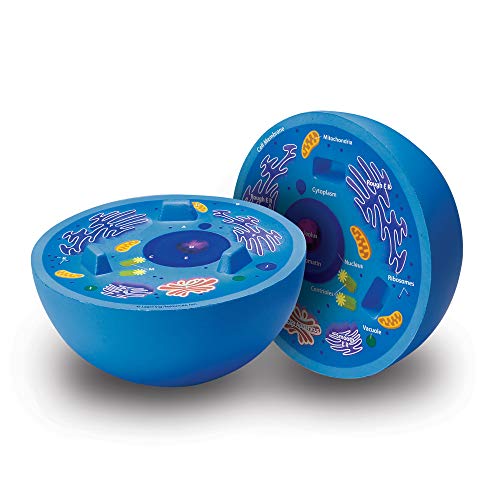
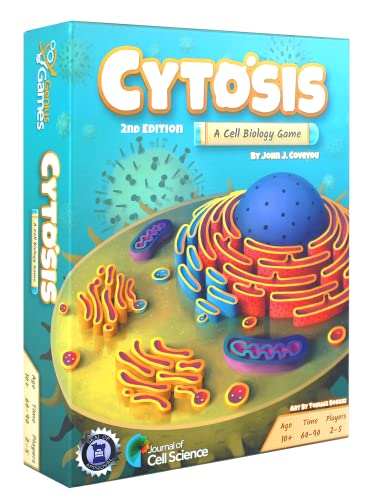
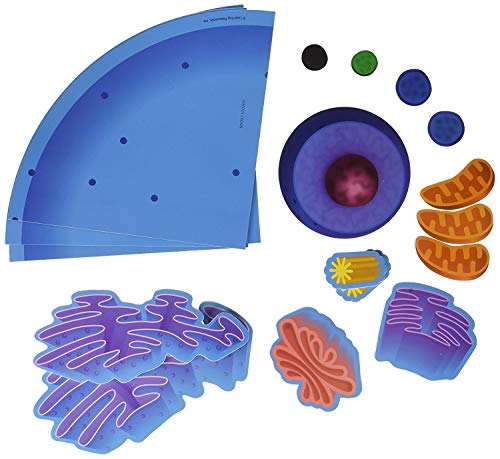
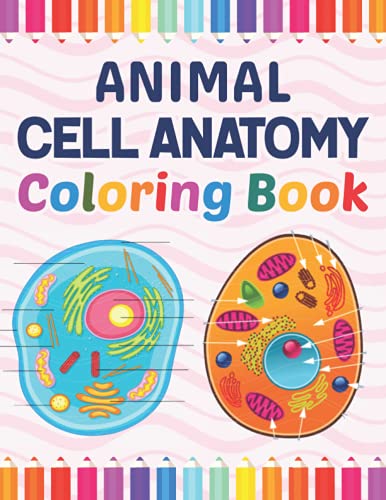
GiftAmaz Animal and Plant Cell Anatomy Model, Soft Felt, Early Cell Biology and Life Science STEM Toys, Classroom Teaching Aid, Educational Learning Activities STEM Toys Gift for Kids Ages 6+Learning Resources Cross-Section Animal Cell Model, Soft Foam, Early Biology, Classroom Teaching Aid, Grade 4+, Ages 9+Cytosis: A Cell Biology Board Game – Science Games about Organic Compounds, Chemistry – Educational Board Games for Adults, Kids, Teachers – Science Classroom – Family STEM Gift by Genius GamesLearning Resources Giant Magnetic Animal Cell, Classroom Supplies, 4 Piece Animal Cell, Ages 9+A Little Cell Biology (A Little Science)Animal Cell Anatomy Coloring Book: Animal Cell Anatomy Coloring Workbook for Kids Boys Girls. New Surprising Magnificent Learning Structure For … Students & Teachers. Vet Tech Coloring Books.


Paper Plate Animal Cell Supplies
• Paper plate
• Pipe cleaner
• Cotton balls or pom poms
• Foam sheets
• Thick paper yarn
• Black pen
• Glue stick
• Acrylic paint
• Paintbrush
• Scissors
Caydo 2400 Pieces 1cm Pom Poms, Multicolor Small Pompom Balls with 100 Pieces Wiggly Eyes for Kids Arts and Crafts Projects Valentine’s Day DecorationsBright Creations Eva Foam Sheets (4 x 6 in, Pack of 96)Mandala Crafts Sky Blue Raffia Ribbon for Gift Wrapping Ribbon – 100 Yds Raffia Natural Ribbon Bulk Packing Ribbon Raffia String – Twisted Paper Ribbon for Crafts Weaving


Making the Paper Plate Animal Cell Craft
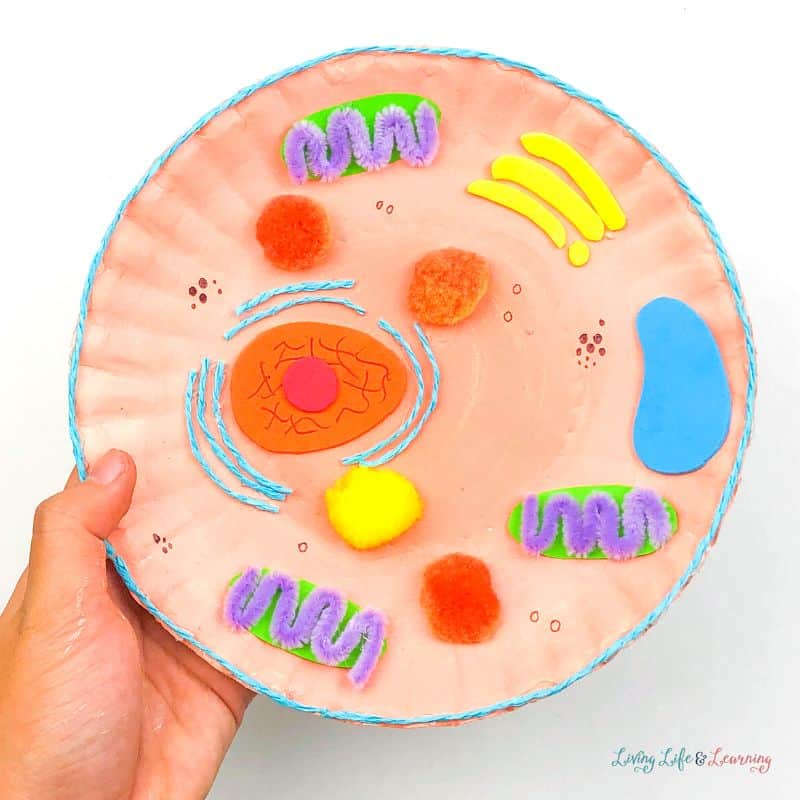
This paper plate animal cell craft can help reinforce how each organelle works together to keep an animal alive and functioning properly. While doing this fun and colorful activity, your kids will begin to visualize organelles such as mitochondria, ribosomes, and lysosomes.
When I first made this craft with my kids, I remember how our kitchen table quickly turned into a mini art studio. One of my children took the lead in choosing colors while the other one focused on where each piece should go. It was fun seeing them work together, sharing ideas and giggling over whose cell looked the most like something from a science book.
What stood out to me was how creative they became with such simple materials. We talked about what each piece represented and how cells keep our bodies working. The conversation naturally led to curious questions, and I loved seeing them make those connections while having such a good time creating.
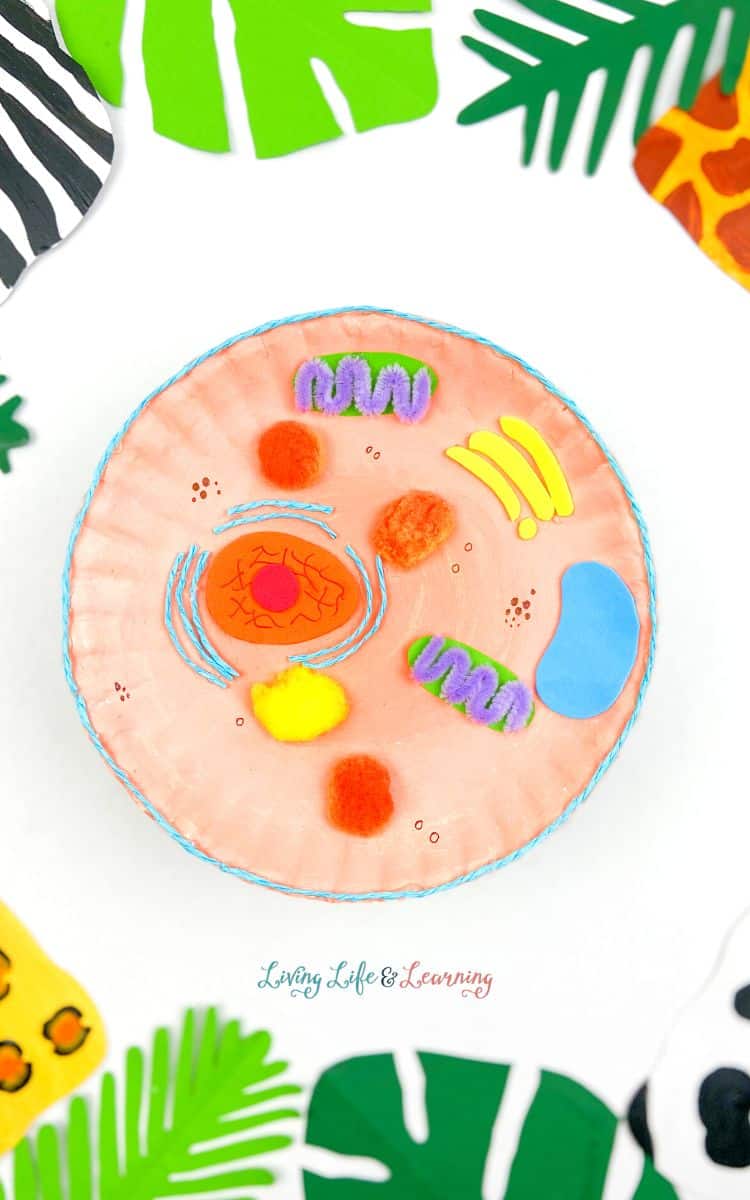
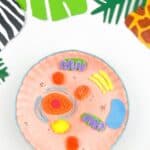
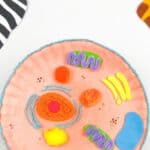
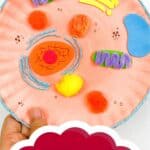
Here’s what a finished paper plate animal cell looks like. Pretty, isn’t it?
How to Extend the Activity
Once the paper plate animal cell is finished, there are many ways to continue learning and exploring the topic.
- Animal Cell Coloring Worksheet: Use this coloring worksheet to review cell parts in a fun and simple way.
- Read Biology Books for Kids: Add some reading time with biology books. They can connect what they read to the craft they made.
- Compare Plant and Animal Cells: Make another craft showing plant cells to help your kids see the differences between the two.
- Label the Cell Parts: Use sticky notes or printed labels to name each part of the cell on the finished paper plate craft.
More Human Body Activities
If your kids enjoyed this animal cell craft, there are plenty of other human body activities they can explore to keep learning fun.
- Human Body Arts and Crafts
- Brain Crafts for Kids
- Anatomy Activities for Elementary Students
- Human Body Crafts for Elementary
- Human Body Organs Worksheet by Homeschool of 1
- Human Body Crafts & Activities by Simple Everyday Mom
This creative project provides kids with a hands-on way to learn about animal cells while having fun at the same time!
Understanding what an animal cell looks like and how it works will help them better understand biology concepts in school now and later when they take more advanced science classes in high school or college.
So get out those paper plates and start crafting today! Your kids will thank you for it later!

Paper Plate Animal Cell
Equipment
- Apple Barrel Acrylic Paint in Assorted Colors (8 oz), 20470 Pumpkin Orange
- Horizon Group USA 30 Rainbow Colorful Foam Sheets
- 300 Pieces 1 Inch Assorted Pom Poms, Craft Pom Pom Balls
Materials
- Paper plate
- Pipe cleaner purple
- Cotton balls or pom poms orange and yellow
- Foam sheets orange, yellow, sky blue, green, and red
- Thick paper yarn blue
- Black pen
- Glue stick
- Acrylic paint orange
- Paintbrush
- Scissors
Instructions
- Paint the top of the paper plate and let it dry.
- Cut foam pieces into different shapes for cell parts.
- Glue each foam piece onto the paper plate.
- Add yarn, pipe cleaners, and cotton balls for texture.
- Label the cell parts or add decorative touches once it’s dry.
Video

Hi, I’m Monique Boutsiv! I’ve been homeschooling for 18 years and have four children ranging from toddler to adult. I create science activities, educational printables and homeschool resources for preschool through elementary-aged children.
Today, Living Life and Learning includes more than 2,500 printable activities and educational resources to help parents and teachers spend less time planning and more time learning.
Follow along for new printable activities