
Brain Kindergarten Activities


I know firsthand how curious kindergarteners can be about the world around them. Brain Kindergarten Activities have been a great way to teach my kids how their bodies work, starting with the organ that controls it all – the brain. I love how these activities mix fun with science, so we can explore essential topics without it ever feeling like a chore.
If you’re looking for more resources that connect with this, make sure to check out my list of Human Body Activities for Kids. It’s packed with hands-on ideas, printables, and tools to help you guide your kids through learning about the body in a way that’s simple and meaningful.
Whether you’re planning a week of science-based learning or need something fresh for a rainy afternoon, keep reading. These brain-themed activities are creative, educational, and made for young learners.

This post may contain affiliate links meaning I get commissions for purchases made through links in this post. Read my disclosure policy here.
Fascinating Brain Facts for Kids
The brain is one amazing organ. Here are some cool facts that your kids will love learning about:
- The brain uses a lot of energy: Even though it only weighs about three pounds, it uses about 20% of the body’s total energy. That’s like a light bulb running constantly in your head!
- It grows really fast: By age five, a child’s brain is already about 90% the size of an adult’s. That’s one reason early learning is so important.
- You can’t feel your brain: Your brain has no pain receptors, so technically, it can’t feel pain. That’s why brain surgery can sometimes be done while a person is awake.
Recommended Human Body Books
To complement these activities, I enjoy using books that are visually rich and packed with information in bite-sized pieces. They’re a great way to support what we’re doing at home.
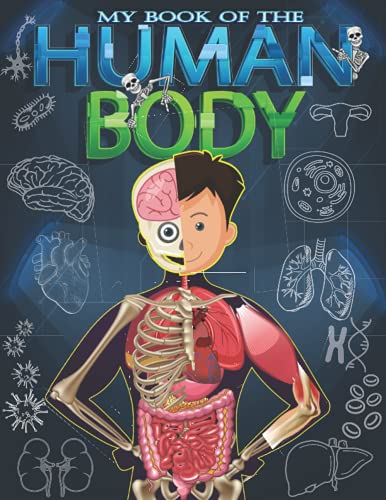
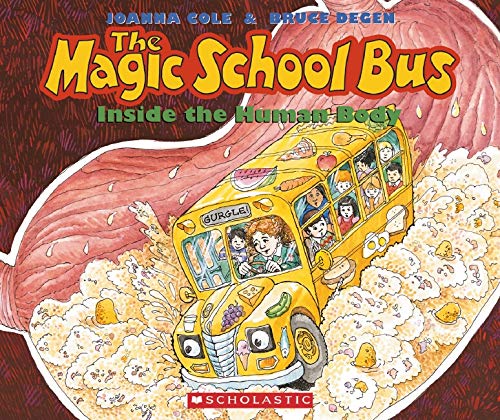
My Book of the Human Body: For Kids Ages 6-12.Human Body! (Knowledge Encyclopedias)Inside Out Human Body: Explore the World’s Most Amazing Machine-You!First Human Body Encyclopedia (DK First Reference)Me and My BodyThe Magic School Bus Inside the Human Body


Why should kids learn about the brain?
Understanding the brain helps kids make sense of how they think, feel, and learn.
- Supports emotional growth: Talking about how the brain manages feelings helps kids learn how to regulate emotions.
- Encourages healthy habits: When they know sleep and nutrition impact their brain, it’s easier to encourage smart choices.
- Improves focus: Kids can better understand why paying attention matters during lessons and storytime.
- Builds curiosity: It often leads to questions about how the rest of the body works, too.

Human Body Printable Packs I Recommend
We love using printable packs on days when I need quick, low-prep activities. They allow my kids to explore body systems in various formats, from pretend play to modeling.


Supplies You Might Need for These Human Brain Activities
Here are some basic items you’ll want to have handy:
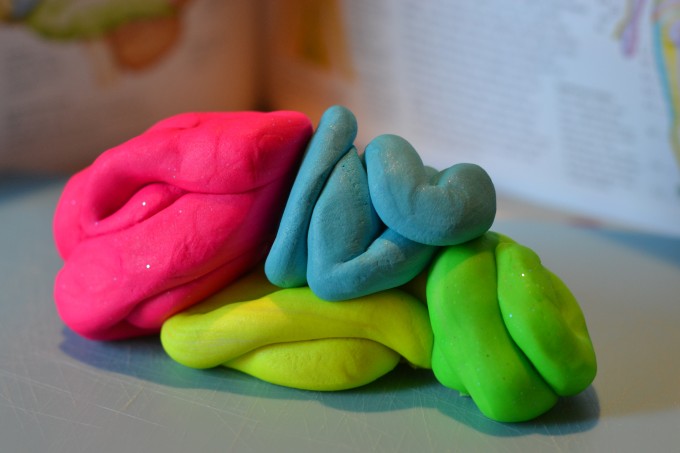
- Playdough or modeling clay
- Yarn
- Markers, crayons, or watercolor paints
- Cardstock or construction paper
- Scissors and glue
- Clothespins
- Printable brain diagrams
- Jello mix
- Simple household tools (like spoons or bowls)
Human Body Kits I Recommend
When we need something extra special, I go for kits that pull everything together for me. It saves time and keeps my kids engaged.
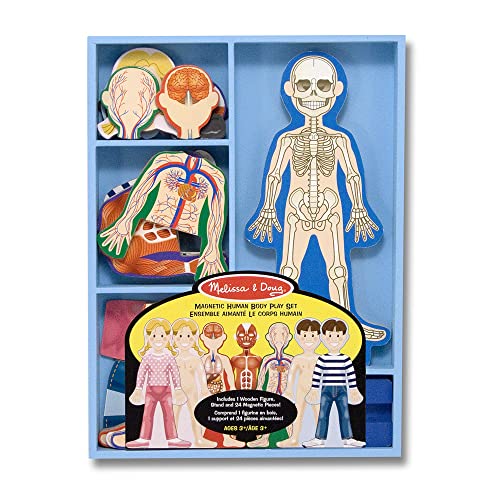
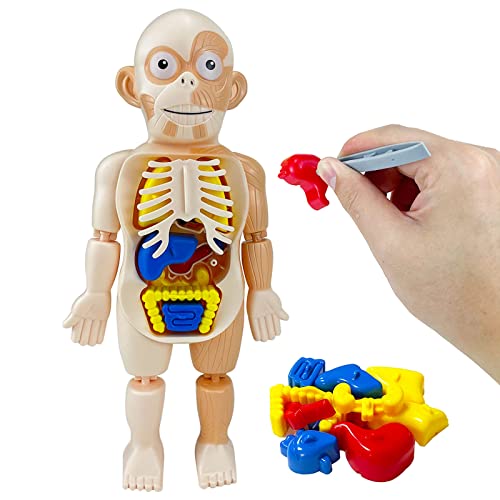
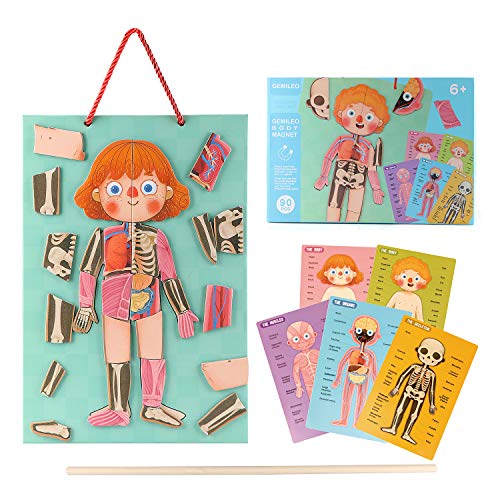
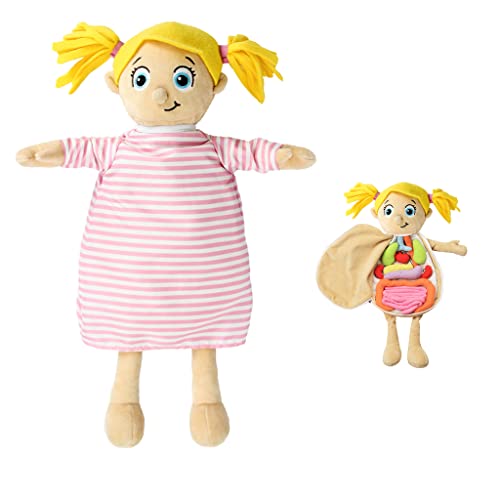
Melissa & Doug Magnetic Human Body Anatomy Play Set With 24 Magnetic Pieces and Storage Tray – Human Body Model For Kids, Human Body Puzzle For Preschoolers And Kids Ages 3+BOCZIF 3D Organ Apron, Human Body Organs Apron Awareness Educational Tool Toy for Kids, Anatomy Costume Apron Plush Stuffed Viscera Model Removable for Home Preschool Early Childhood Teaching AidYnybusi Kids Early Educational Learning Toys Human Organs Model ,17 Pcs DIY Assembly Science Kits Toys for Boys Girls 3 4 5 6 7 8 Year Old Preschool Learning ToysHuman Body Puzzle for Kids Toddlers 90PCS Magnetic Boy Girl Anatomy Play Set Body Parts Organs Muscles Skeleton and Bones Wooden Puzzle Toys for Kids Aged 3+ Educational Learning Preschool ToysMontessori Toys for Toddlers, Body Learning Toys for Kids Toddlers, Learning Binder Sturdy Book Toddler Activity Educational, Early Learning Toys Book for 2 3 4 Year Old Boys & GirlsKAKIBLIN Human Body Anatomy Toy, Preschool Educational Organ Plush Toys for Kids, Science Learning Kits for Student, Body Organ Awareness Teaching Tools,Girl


What skills can kids learn from these human brain activities?
These brain activities help build important skills that go beyond science.
- Fine motor development: Cutting, painting, and assembling craft pieces strengthen hand muscles.
- Critical thinking: Activities like puzzles or experiments challenge kids to think through problems.
- Creativity: Imagining what their brain looks like or painting it encourages self-expression.
- Observation: Kids notice patterns and learn to pay attention to detail.
More Human Body Activities to Try
There are plenty of ways to keep the learning going. I have more ideas you can use right here:
- Brain Worksheets for Kindergarten
- Brain Labeling Worksheets
- Brain STEM Activities
- Human Brain Activities for Kids
- Brain Crafts for Kids
- Eyes Worksheet for Kindergarten
- Heart Diagram Coloring Page on Homeschool Happiness
- The Human Ear Worksheets for Kids on 3 Boys and a Dog
.JPG)

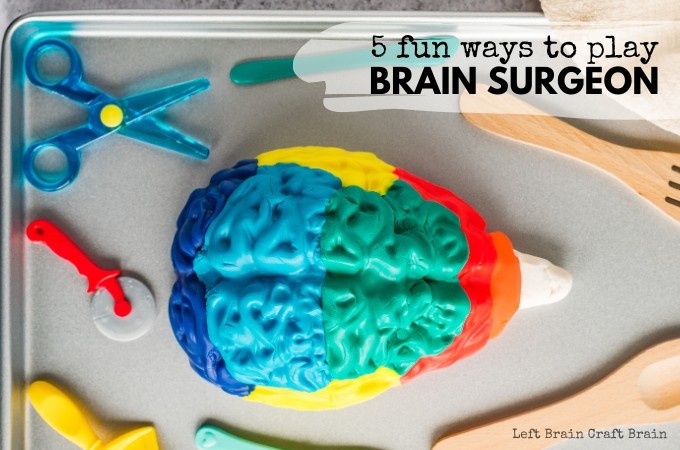
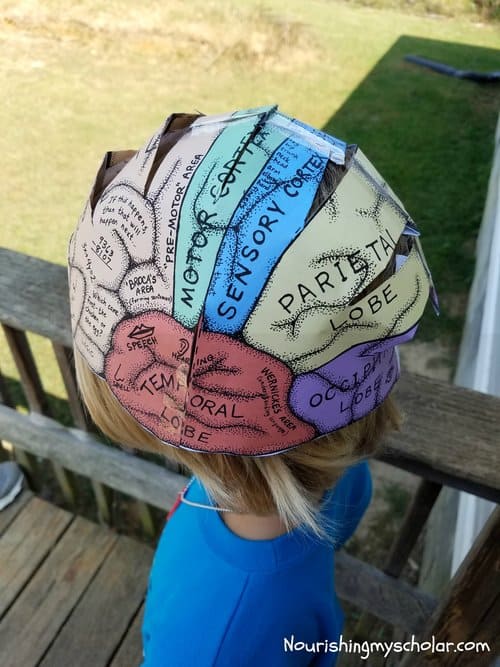




Brain activities don’t have to be complicated to be impactful. I hope these ideas give you a starting point for some memorable learning at home.

Hi, I’m Monique Boutsiv! I’ve been homeschooling for 18 years and have four children ranging from toddler to adult. I create science activities, educational printables and homeschool resources for preschool through elementary-aged children.
Today, Living Life and Learning includes more than 2,500 printable activities and educational resources to help parents and teachers spend less time planning and more time learning.
Follow along for new printable activities