
Ocean Worksheets for Elementary

Ocean Worksheets for Elementary are a simple way to bring sea life, writing, and science into your homeschool day without making prep feel heavy. These printable pages were made for kids in grades 1 to 3, so they work well for early elementary learners who enjoy ocean animals and hands-on practice.
When I wanted more themed learning ideas, I also liked having my list of ocean worksheets for Kids nearby so I could pull together a full marine unit without hunting all over the place. It made planning easier, especially during busy weeks when I needed something ready to print.
Read this post to see what is included, what skills your child will practice, and how to use the pages. You’ll also find supplies, book ideas, and more ocean resources to keep the lesson going.
This post may contain affiliate links meaning I get commissions for purchases made through links in this post. Read my disclosure policy here.
Why Kids Need to Learn About the Ocean
The ocean is a huge part of our world, and early learners can understand more about it through simple activities, animal facts, and guided writing. A sea life unit also gives kids a fun way to connect science, vocabulary, reading, and observation.
- Builds science awareness: Kids begin to see that the ocean is full of living things with different traits, needs, and habitats. This helps them understand that nature is connected in ways they can observe and discuss.
- Strengthens curiosity about animals: Marine creatures are interesting because they look, move, and survive in unique ways. When my older kids were younger, animal studies often led to the best conversations because they wanted to know why each creature behaved the way it did.
- Connects learning to the real world: Kids may see shells, fish, beaches, aquariums, or ocean videos and start making connections to their lessons. That makes homeschool science feel more meaningful than just reading facts from a page.
- Supports early writing practice: Ocean topics provide concrete material for children to describe, compare, and explain. This can make handwriting and sentence work feel less boring for kids who need a clear topic in front of them.
Best Ocean Books for Elementary Kids
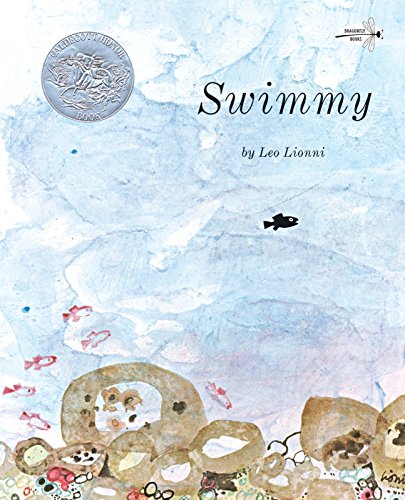
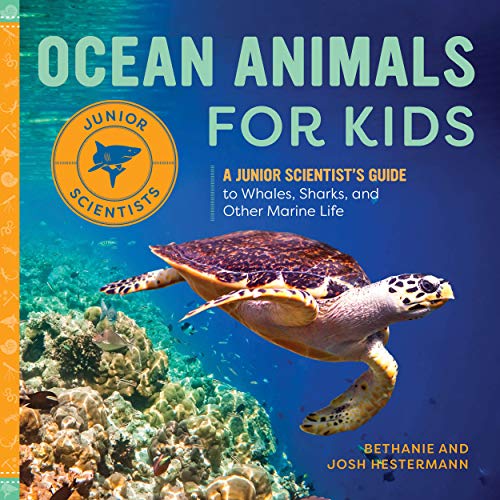
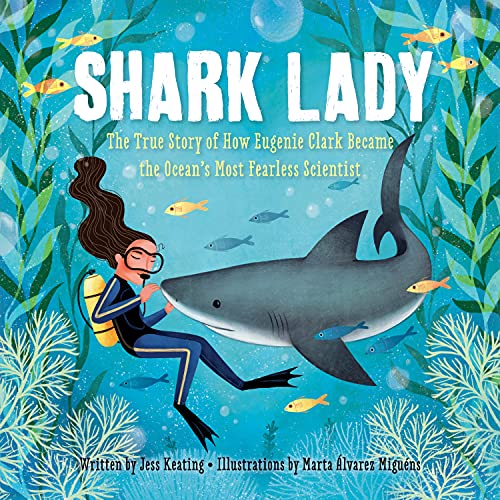
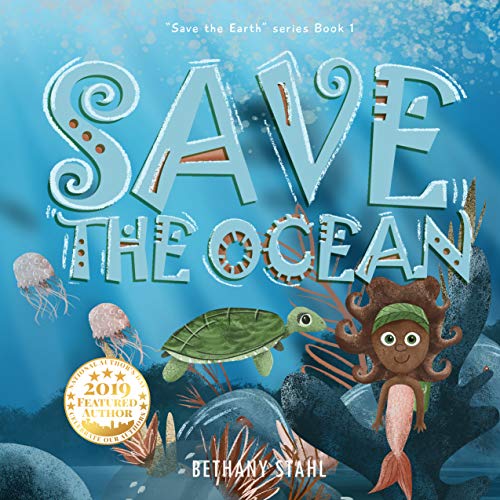
I always like pairing worksheets with picture books and nonfiction readers because stories, photos, and facts help kids picture sea habitats before they begin the printable work.
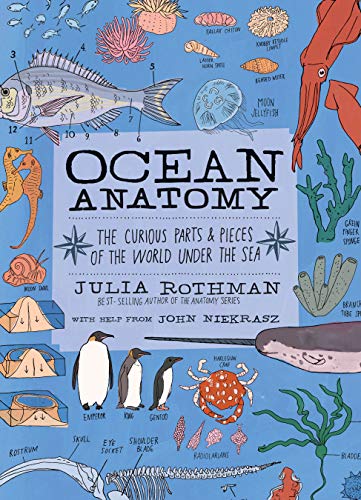
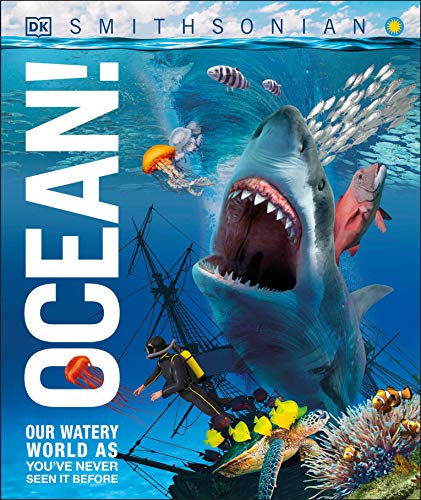
Ocean Anatomy: The Curious Parts & Pieces of the World under the SeaSwimmyOcean Animals for Kids: A Junior Scientist’s Guide to Whales, Sharks, and Other Marine LifeShark Lady: The True Story of How Eugenie Clark Became the Ocean’s Most Fearless Scientist (Women in Science Books, Marine Biology for Kids, Shark Gifts)Save the Ocean (Save the Earth Book 1)Ocean!: Our Watery World as You’ve Never Seen it Before (Knowledge Encyclopedias)
Skills Kids Can Learn from Ocean Worksheets
These activity sheets give children a mix of language arts, science, and thinking practice. I liked using themed pages like these with my older kids because they made basic skills feel less random and more connected to a topic we were already studying.
- Ocean vocabulary: Children practice recognizing marine animal names and related terms. This helps them build word knowledge while connecting each term to a picture or description.
- Observation and reasoning: Kids look closely at pictures, read clues, and decide what information is missing. This kind of practice helps them slow down and think before writing an answer.
- Early writing: Learners complete words, fill in blanks, and write short descriptions about ocean scenes. These tasks provide a manageable way for them to practice spelling, handwriting, and sentence formation.
Recommended Ocean Printable Packs
For families who want more than one quick activity, ocean printable packs are a great way to create a fuller science study with reading, writing, coloring, and review pages. I recommend checking out these printable packs when you want more sea-themed practice, ready to go.


Supplies Needed for Ocean Science Worksheets
You only need a few basic homeschool supplies to use these printable ocean pages, which makes them easy to pull out during a science lesson, morning basket time, or a quiet table activity.
- Printer (I have this one)
- Paper
- Pencil
- Crayons
I have the HP printer 8710, but it’s no longer available. It’s been running well for years now. Consider another HP Instant Ink-ready printer so that you can use their program to send you ink cartridges whenever your printer gets low on ink.
What’s included in the ocean activity sheets
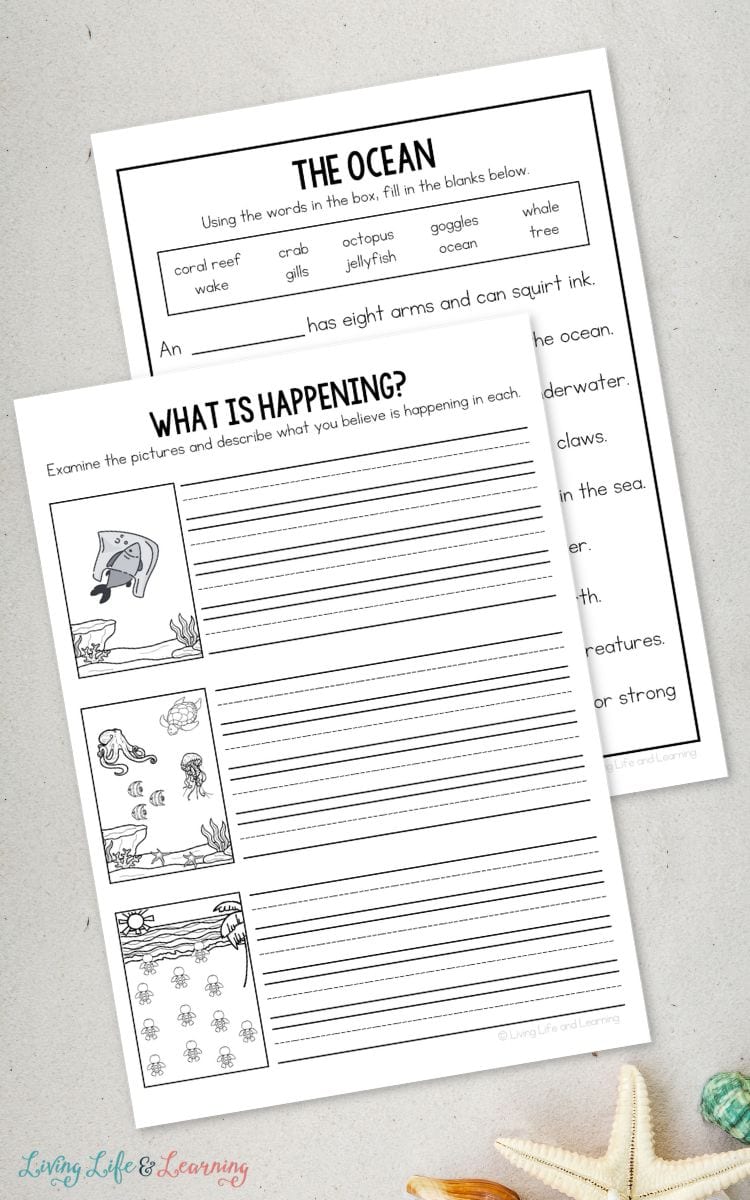
This printable includes 4 pages of ocean-themed learning activities for grades 1 to 3. Each page gives kids a different way to practice vocabulary, writing, and simple science connections.
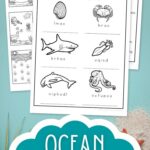
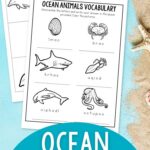
Ocean Animals Vocabulary
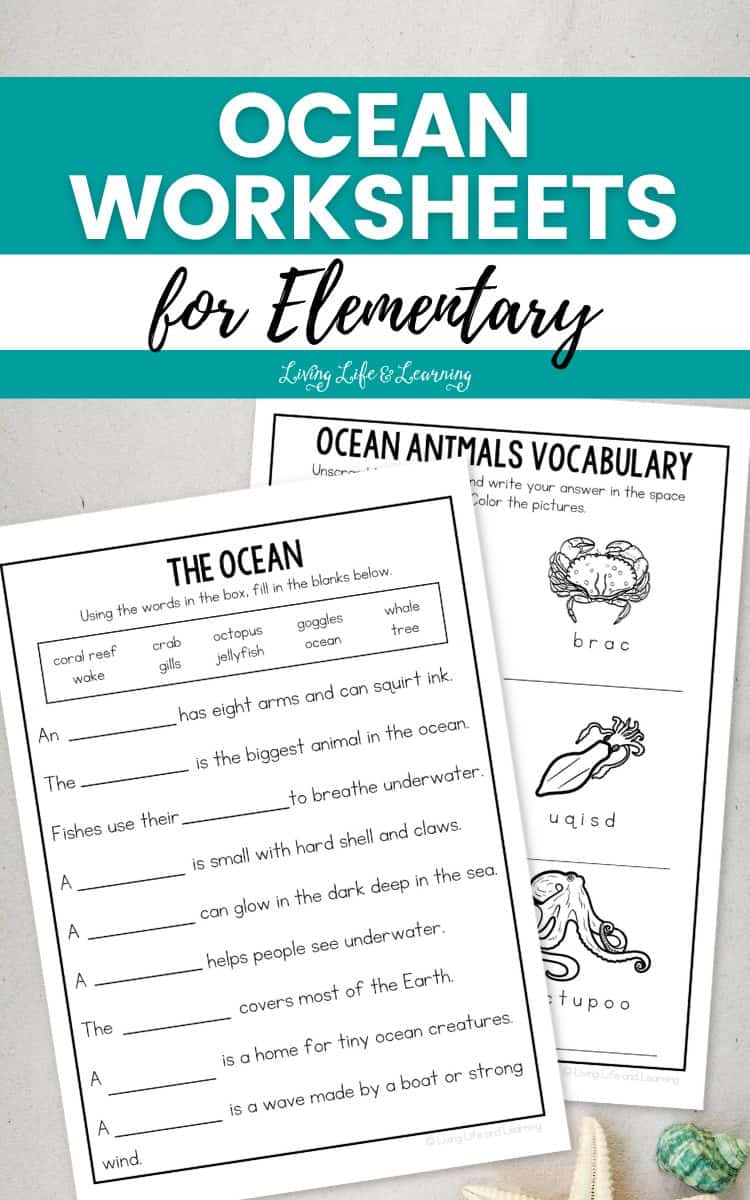
This page asks kids to unscramble animal names and write the correct answer on the line. The pictures include a clam, crab, shark, squid, dolphin, and octopus, and children can color each one after solving the words.
I liked pages like this when my older kids were in the early grades because they mixed spelling with visual clues. It gave them a chance to work independently while still feeling confident about the answers.
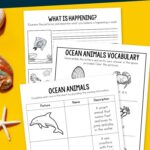
Ocean Animals Chart
This chart has three columns for picture, name, and description. Kids complete the missing information for animals such as dolphins, starfish, and squids by using the clues already given.
This is a helpful page for comparing details because children need to match what they see with what they read. It also encourages them to use short descriptions rather than just naming an animal.
What Is Happening?
This writing page shows three ocean scenes and asks kids to describe what they believe is happening in each picture. Children can write about a diver, sea creatures swimming together, or a beach scene with jellyfish near the shore.
When my kids were younger, picture prompts worked well because they removed the “what should I write about” struggle. The scene gave them a starting point, and then they could add their own details.
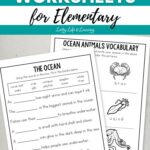
The Ocean Fill-in-the-Blank Page
This worksheet provides a word bank and asks kids to complete ocean-themed sentences. Words include coral reef, crab, octopus, goggles, whale, wake, gills, jellyfish, ocean, and tree.
This page is useful for reading comprehension because children need to choose the term that makes sense in each sentence. It also builds science vocabulary through short, clear clues.
How to Extend the Ocean Activity
Once the pages are complete, you can stretch the lesson with a few simple add-on activities. These ideas work well when your child wants more practice or when you want to turn the printable into a short ocean unit.
- Study ocean movement: Use my ocean currents worksheets to help kids learn how water moves around the Earth. After completing the activity, have your child draw arrows on a simple ocean map to show the current direction.
- Build a food chain lesson: Try my ocean animals food chain printables to show how sea creatures depend on one another. Kids can cut, sort, or draw their own chain after reading about predators and prey.
- Create an ocean animal fact card: Ask your child to pick one animal from the printable and write three facts about it. Add a drawing on the front and keep the card in a science notebook.
- Make a mini ocean scene: Use paper, crayons, and cutouts to create a simple underwater habitat. Kids can label each animal and add a sentence about where it lives.

More Ocean Activities for Kids to Try
Ocean units are easy to build because there are so many ways to connect science, reading, writing, art, and hands-on exploration. Add a few more sea-themed ideas to your homeschool week so your child can keep practicing the same topic in different ways.
- Layers of the Ocean Coloring Sheets
- Ocean I Spy Game Printable
- Parts of Ocean Animals Worksheets
- 38 Fun Ocean Crafts For Kids by Simple Everyday Mom
- Ocean Animals Alphabet Printable Pack by 3 Boys and a Dog
These printable ocean worksheets are a simple way to add sea life learning to your homeschool plans without extra prep. Print the pages, grab a pencil and crayons, and let your child work through vocabulary, writing, and ocean facts at a pace that feels right for your day.
Download the Printable Below


Hi, I’m Monique Boutsiv! I’ve been homeschooling for 18 years and have four children ranging from toddler to adult. I create science activities, educational printables and homeschool resources for preschool through elementary-aged children.
Today, Living Life and Learning includes more than 2,500 printable activities and educational resources to help parents and teachers spend less time planning and more time learning.
Follow along for new printable activities