
Ocean STEM Activities for Preschoolers


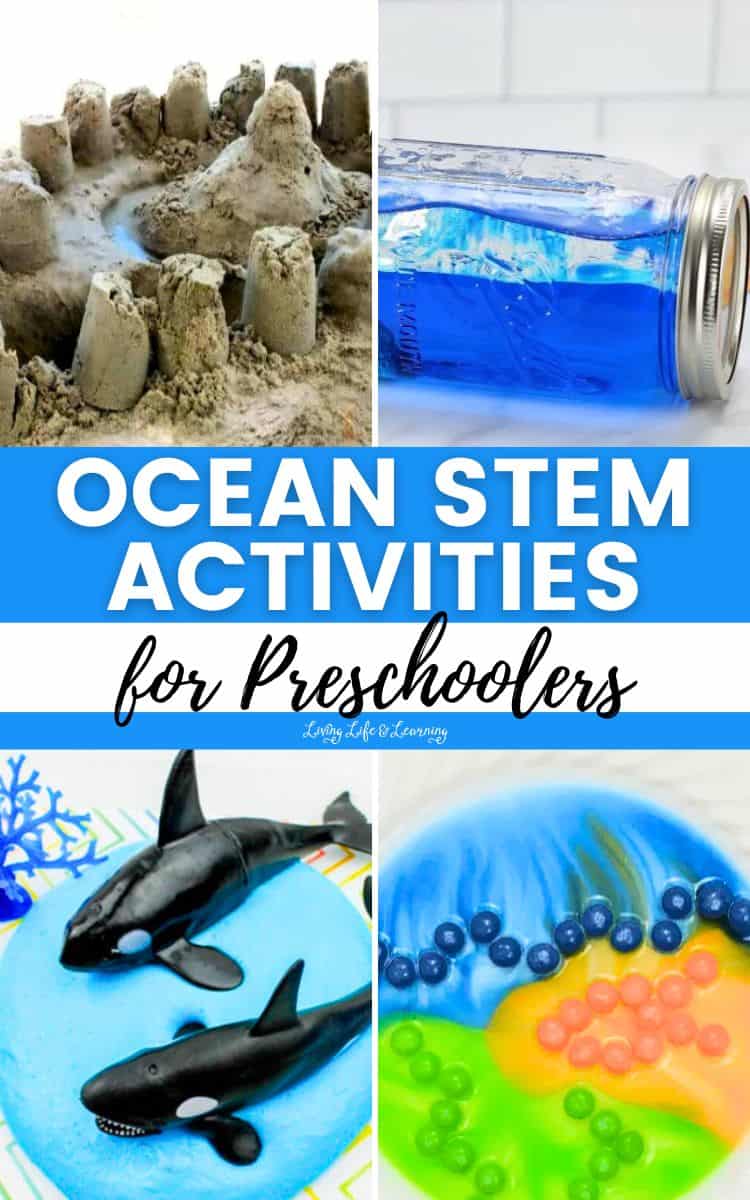
Introducing my list of ocean STEM activities for preschoolers! These activities are made to captivate curiosity in learning science, technology, engineering, and math in young minds.
Get ready for summer with more of these fun ocean activities for kids.
Engaging children in these STEM ocean activities boosts their cognitive development and fine motor skills too. These fun hands-on activities also encourage problem-solving and critical thinking from an early age.
By participating in these sea-themed projects, preschoolers will gain a deeper understanding of marine life and ecosystems.
This post may contain affiliate links meaning I get commissions for purchases made through links in this post. Read my disclosure policy here.
Why STEM Activities Are Perfect for Learning About the Ocean
Ocean STEM activities for preschoolers make science feel less like a lesson and more like play, which is exactly what worked best when my kids were younger. These hands-on projects help kids explore marine animals, water, shells, waves, and sea life while building early problem-solving skills.
- Hands-on science feels natural: Kids can touch water, sort shells, test floating objects, and observe ocean-themed materials, which makes preschool science easier to understand.
- Math fits right into the theme: Counting fish, comparing shell sizes, sorting sea animal cards, and making simple patterns are easy ways to work on early math skills.
- Kids practice asking questions: Ocean STEM projects give kids a chance to wonder why something floats, how waves move, or what animals need to live in the sea.
- The theme keeps learning playful: Preschool ocean activities feel fun because kids already enjoy sea creatures, water play, sensory bins, and beach-inspired projects.
Recommended Ocean Books
Dip your toes into the ocean of learning with your preschoolers with these carefully selected ocean-themed books perfect for your early readers and science explorers at home.
In the Ocean (National Geographic Kids Readers, Level 1/Co-Reader)Hello OceanCommotion in the OceanThe Rainbow FishNational Geographic Little Kids First Big Book of the OceanI’m the Biggest Thing in the Ocean!


What Ocean Topics Can You Discuss With Preschoolers?
An ocean theme gives you plenty of simple science topics to talk about without making it feel too advanced. I liked keeping these talks short and casual, especially when my kids were younger and learned best through play.
- Marine animals: Talk about whales, fish, crabs, turtles, jellyfish, and sharks while comparing how they move, eat, and stay safe.
- Ocean habitats: Discuss where sea animals live, from coral reefs to sandy shores, and how each place gives animals what they need.
- Floating and sinking: Let kids test shells, toy boats, rocks, sponges, and plastic sea animals to see what stays on top of the water.
- Water movement: Use a bin, spoon, straw, or small cup to show waves, currents, splashes, and motion in a simple, preschool-friendly way.
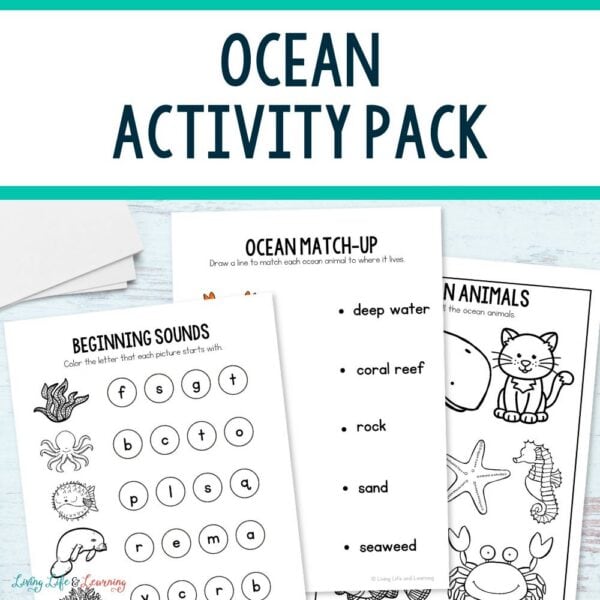
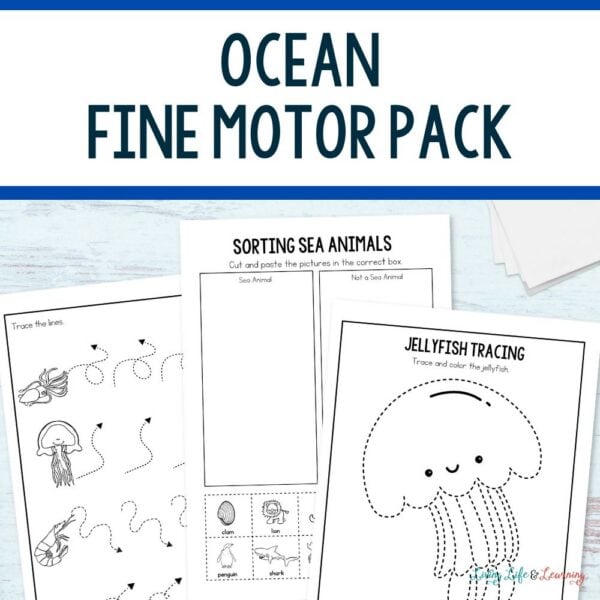
Recommended Ocean Printable Packs
If you want extra ocean printables to go along with your hands-on STEM lessons, my recommended printable packs are a simple way to add tracing, matching, fine motor work, and early learning practice. They are helpful when you want ocean worksheets that feel connected to the theme without needing a long prep session.

What Skills Will Kids Learn From These Ocean STEM Activities?
Ocean STEM activities help kids build early learning skills through play, movement, and simple problem-solving. I found that these types of activities worked well when my older kids were preschool age because they could learn without sitting through a formal lesson.
- Observation: Kids look closely at materials, sea animal pictures, water changes, and results from each activity.
- Sorting and classifying: Kids can group shells, ocean animals, colors, sizes, textures, and shapes during preschool science play.
- Fine motor practice: Scooping, pouring, tracing, cutting, picking up small pieces, and using tweezers help strengthen hand muscles.
- Early math: Counting sea creatures, comparing sizes, making patterns, and measuring water are simple ways to add math practice.
- Problem-solving: Kids test ideas, make guesses, try again, and figure out what works during hands-on ocean STEM projects.
- Vocabulary building: Words like habitat, wave, shell, float, sink, current, reef, and marine animal can come up naturally during play.
Fun Ocean Activities To Try
Explore my curated list of ocean activities for kids, designed to inspire awe and knowledge about marine life, fostering a deep, lifelong connection with the sea.
- Jellyfish Activities for Preschoolers
- Ocean Unit Study Resources
- Ocean Science Activities for Preschoolers
- Printable Ocean Charades Game by Darcy and Brian
- Ocean I Spy by Homeschool Preschool
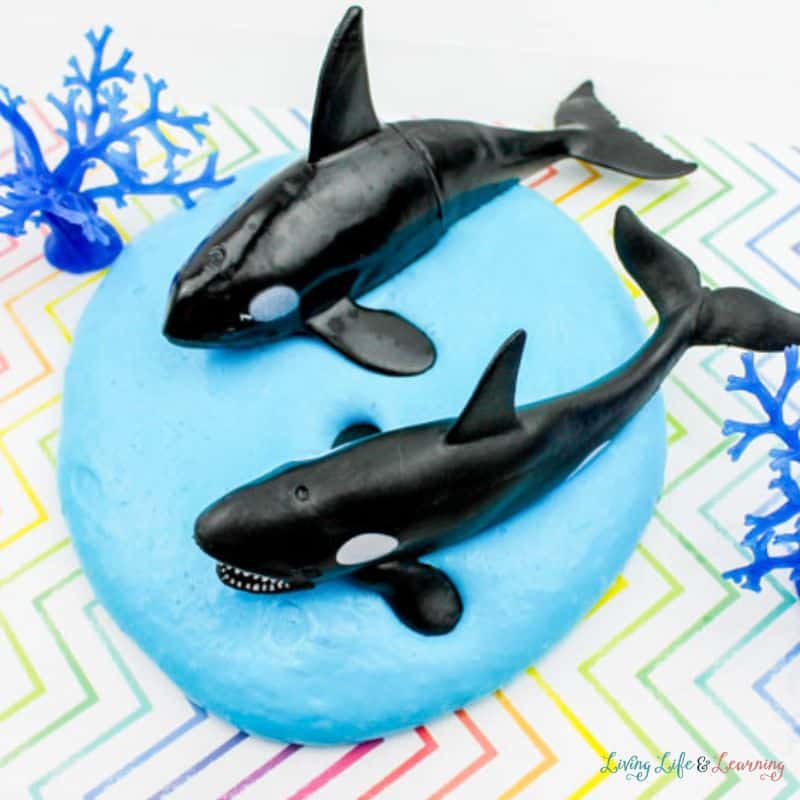
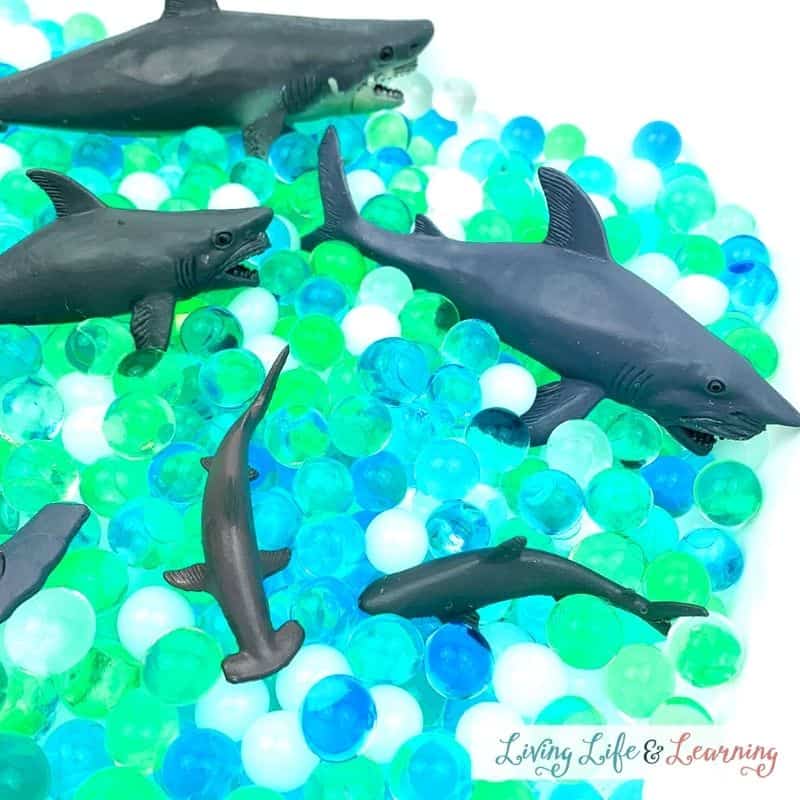
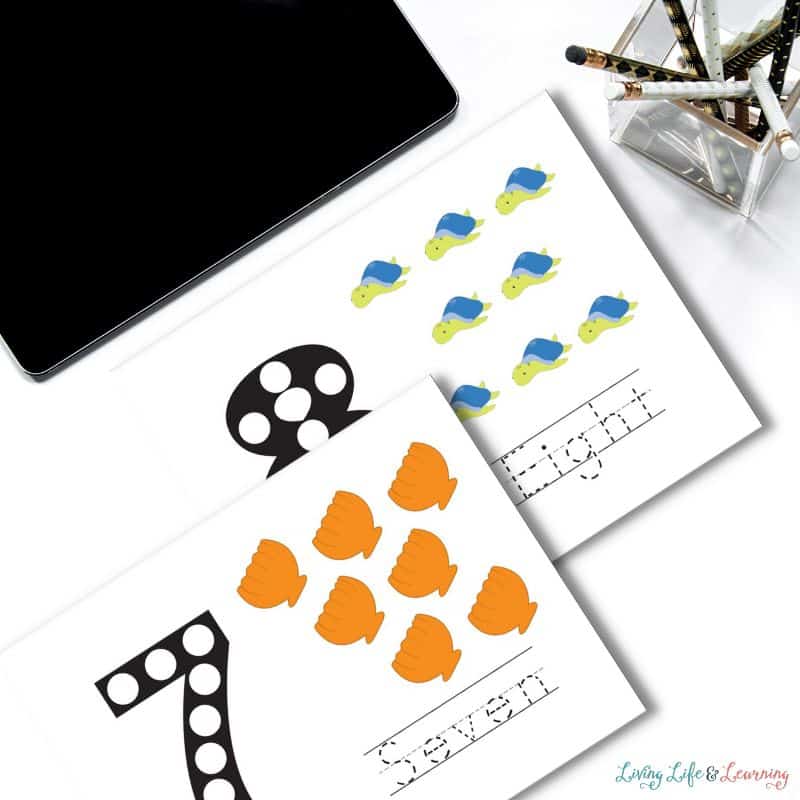
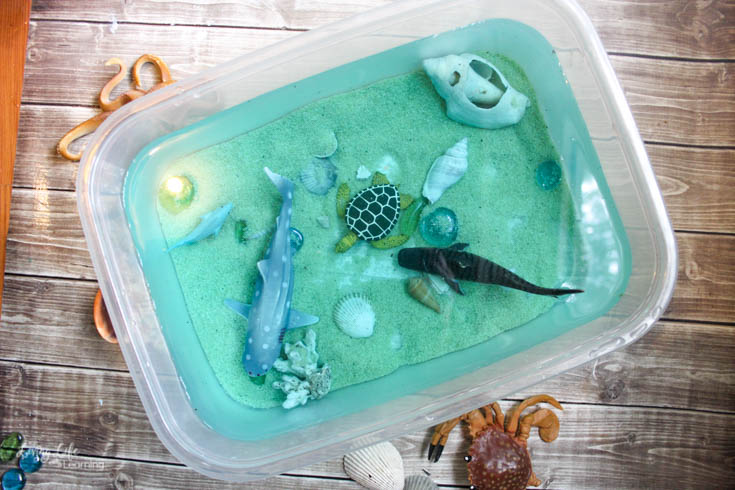



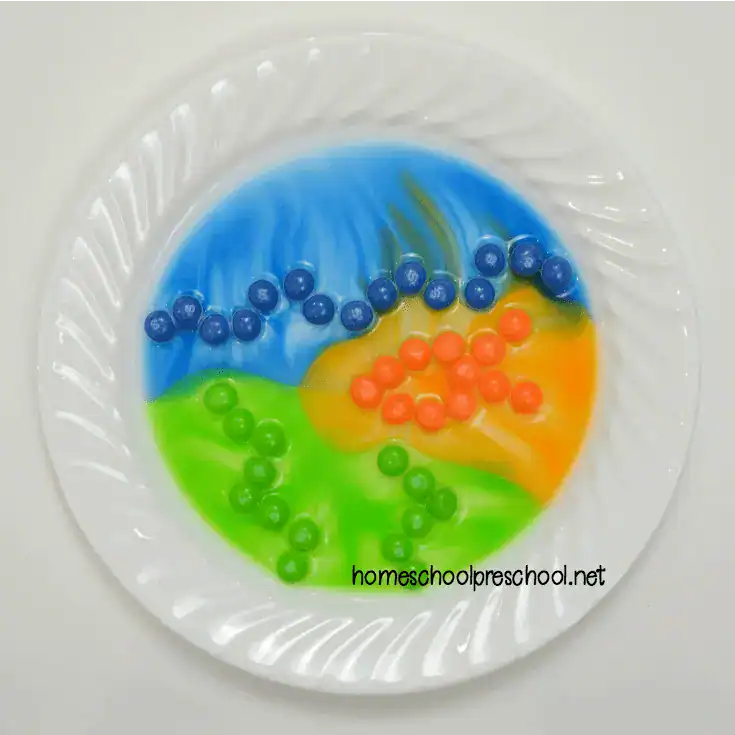
Learn the mysteries of the ocean through STEM activities by engaging your child’s senses and encouraging exploration. I hope you find a great STEM activity to do with your child.

Hi, I’m Monique Boutsiv! I’ve been homeschooling for 18 years and have four children ranging from toddler to adult. I create science activities, educational printables and homeschool resources for preschool through elementary-aged children.
Today, Living Life and Learning includes more than 2,500 printable activities and educational resources to help parents and teachers spend less time planning and more time learning.
Follow along for new printable activities