Muscular System Hands-on Activities



Kids use their muscles all day long, so it’s easy to get them curious about how they work. These Muscular System Hands-on Activities include muscle models, a moving paper arm, a chicken wing dissection and activities where kids test their own muscles.
If you’re planning a bigger unit, see my list of human body activities for kids.
When I first started homeschooling my oldest, I tried teaching science from a textbook and it just wasn’t getting through. Switching to hands-on lessons built around his interests made a big difference, and the human body is one of the easiest topics to teach that way.

This post may contain affiliate links meaning I get commissions for purchases made through links in this post. Read my disclosure policy here.
What Will You Find in This List?
This list includes 10 muscular system activities, from crafts and models to experiments.
- Models and crafts: A muscular system hand craft, a muscle machine, a balloon arm model, a how-muscles-work craft and a life-size printable muscular system.
- Experiments: A chicken wing dissection and a tasty experiment that shows why the body needs both muscles and bones.
- Movement: Activities where kids flex, exercise and watch their own muscles work.
- Printables: Muscular system worksheets for elementary students.
What Does the Muscular System Do?
The muscular system moves the body.
The body has more than 600 muscles. Many are attached to bones, and when they contract, or get shorter, they pull on the bones to move them. Muscles can only pull, never push, so they often work in pairs. In your arm, the biceps bends your elbow and the triceps straightens it.
There are three kinds of muscle:
- Skeletal muscle: moves your bones, and you control it, like when you wave or kick a ball
- Smooth muscle: lines organs like the stomach and works without you thinking about it
- Cardiac muscle: makes up the heart and keeps it beating

Why Use Hands-On Activities for the Muscular System?
Hands-on activities let kids see and feel how muscles work instead of just reading about them.
Kids can feel their biceps tighten when they bend an arm, then build a model that does the same thing. That connection between their own bodies and the model helps the idea of muscles pulling on bones make sense.
Recommended Muscular System Books
These books and anatomy coloring books show kids where muscles are in the body.
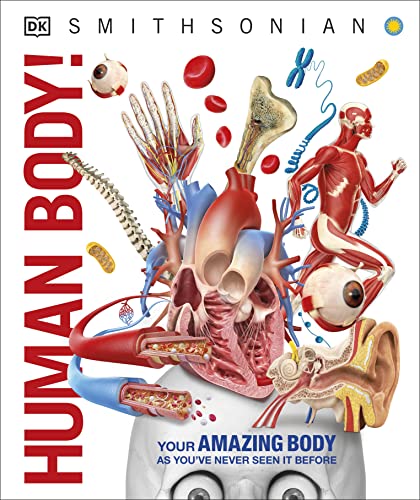
Teacher Created Materials – TIME For Kids Informational Text: Look Inside: Your Skeleton and Muscles – Grade 2 – Guided Reading Level LMuscular System Coloring Book: Human Muscle Anatomy Coloring Book For Kids Boys Girls & Teens. Unique and Fun Way to Learn Human Muscle Anatomy. A … This Coloring Book are Made Very Well.My First Human Body Book (Dover Science For Kids Coloring Books)Human Anatomy Coloring Book: an Entertaining and Instructive Guide to the Human Body – Bones, Muscles, Blood, Nerves and How They Work (Coloring Books) (Dover Science For Kids Coloring Books)Knowledge Encyclopedia Human Body! (DK Knowledge Encyclopedias)orthopedic for kids book human body systems for kids: bones and muscles for kids skeleton anatomy, orthopedic surgery, muscles, and joints human anatomy book for kids



How Can You Connect Muscles to Other Subjects?
Muscle activities fit easily into art, math and writing.
- Art: Draw and label a muscle diagram or make a muscle collage.
- Math: Count how many jumping jacks each person can do in 30 seconds and compare the results on a chart.
- Writing: Write a short story about a muscle at work or keep a journal of what kids learned.
Muscular System Hands-on Activities to Try
Start with a model or craft, then try an experiment once kids understand how muscles pull on bones.
Studying the whole body? The Curious Scientist Science Study: Human Body Bundle from my shop is a growing bundle that covers each human body system as it’s added. For a new science topic every month, try the Young Learners Science Club.


Keep the Learning Going
If your kids want to keep learning about the body, these human body studies are the next step:
- Junior Scientist Science Study: Human Body for more hands-on human body activities
- Curious Scientist Science Study: Human Body Bundle, a growing bundle that covers each human body system as it’s added
For hands-on science all year, the Young Learners Science Club is a monthly science membership for homeschool families. Each month brings a new topic with hands-on investigations, STEAM challenges, crafts and games that use common household supplies. A human body theme is coming to the club in February.
What Other Free Activities Can You Try?
Here are more anatomy and muscular system activities:
- Muscular System Coloring Pages
- Human Body Worksheets for Kids
- Human Anatomy Games for Kids
- Human Body Arts and Crafts
- Human Body Lapbooks from Tina’s Dynamic Homeschool Plus
- Human Body Games for Kids from The Natural Homeschool
FAQs
These Muscular System Hands-on Activities help kids see how muscles pull on bones to move the body. Start with one model this week and have your kids test it against their own arm.

Hi, I’m Monique Boutsiv! I’ve been homeschooling for 18 years and have four children ranging from toddler to adult. I create science activities, educational printables and homeschool resources for preschool through elementary-aged children.
Today, Living Life and Learning includes more than 2,500 printable activities and educational resources to help parents and teachers spend less time planning and more time learning.
Follow along for new printable activities